
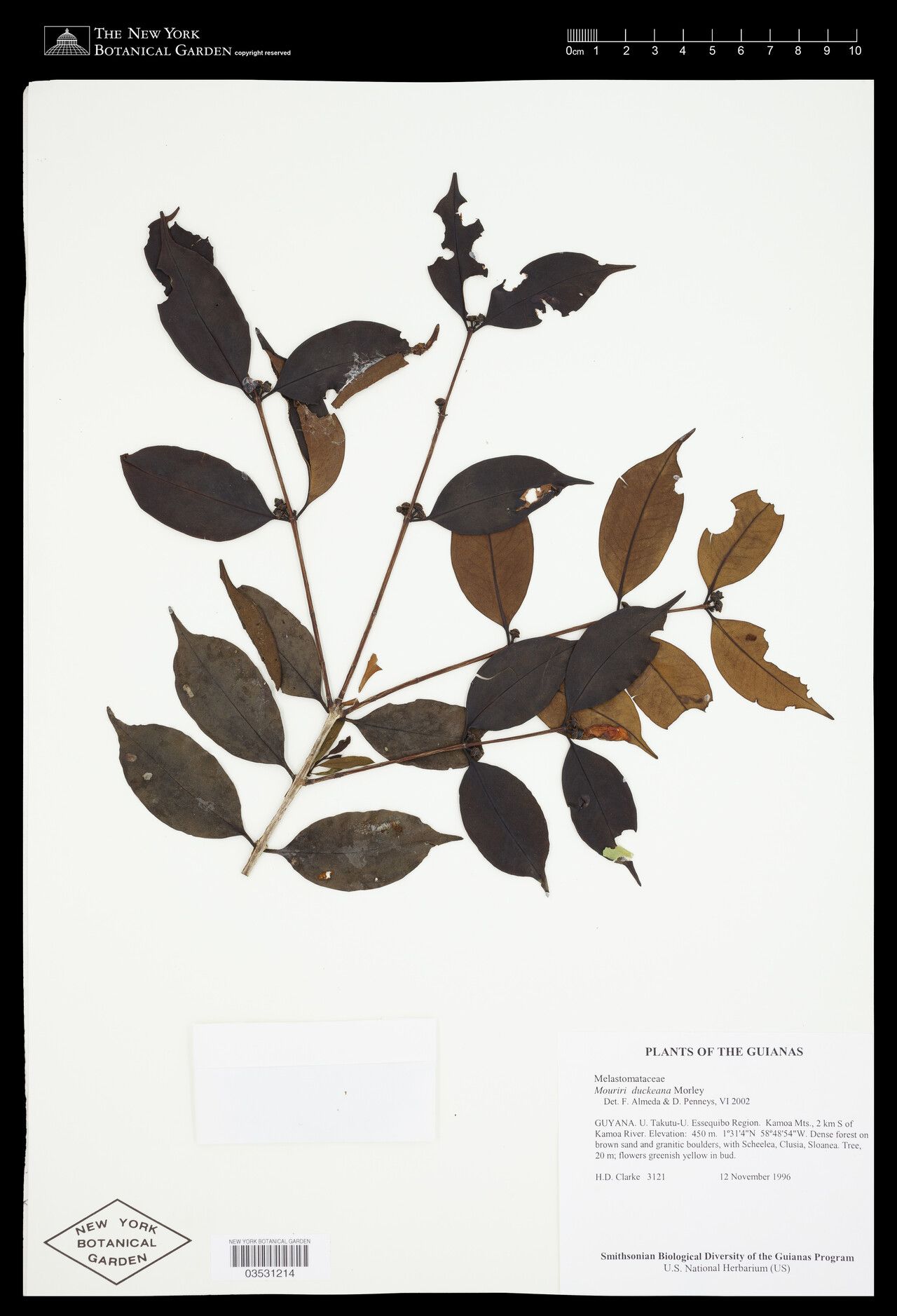
Propagating the Amazonian Jewel: A Guide to Mouriri duckeana
Mouriri duckeana, commonly known as the Amazonian Jewel, is a captivating shrub or small tree prized for its vibrant, glossy foliage and attractive, edible fruits. Native to the Amazon basin, this species is gaining popularity among gardeners attracted to its unique beauty and relative novelty in cultivation. Its propagation, however, presents several challenges, demanding patience and a certain level of horticultural expertise. This article explores various methods for propagating Mouriri duckeana, outlining their potential and associated difficulties.
Seed Germination:
Currently, there are no known reliable methods for seed germination propagation of Mouriri duckeana. While seeds may be produced, their germination rate is reportedly very low, and consistent success remains elusive even among experienced botanists. Further research is needed to determine optimal germination conditions, possibly including specific stratification techniques or hormonal treatments. The potential reward – namely, increased genetic diversity within cultivated populations – makes this a worthwhile avenue for future investigation.
Cuttings:
Propagating Mouriri duckeana from cuttings presents a more promising approach than seed germination. Semi-hardwood cuttings taken during late summer or early autumn appear to offer the best chances of success.
Challenges: Rooting can be slow and inconsistent. The success rate depends heavily on maintaining high humidity, using a rooting hormone, and employing a suitable propagation medium (e.g., a well-draining mix of perlite and peat moss).
Tips: Take cuttings approximately 4-6 inches long, removing lower leaves to prevent rotting. Use a sharp, clean blade to minimize damage to the cutting. Mist regularly to maintain high humidity and provide bottom heat if possible.
Rewards: Successful propagation from cuttings offers a more reliable and quicker method to multiply desired genotypes compared to seed germination and avoids the uncertainty associated with seedling development.
Division:
Division is not a practical method for propagating Mouriri duckeana. This species does not readily produce suckers or readily separable root systems suitable for division.
Tissue Culture:
Tissue culture offers the potential for large-scale and controlled propagation of Mouriri duckeana. This method bypasses many of the challenges associated with seed germination and cuttings.
Challenges: Establishing sterile conditions and developing suitable culture media are crucial. Expertise in tissue culture techniques is required, making it a resource-intensive and technically demanding method.
Tips: Specialized laboratories with experience in propagating tropical plants are better equipped to undertake tissue culture of Mouriri duckeana.
Rewards: Tissue culture provides a highly efficient way to produce large numbers of genetically uniform plants, ideal for commercial propagation or conservation efforts.
Conclusion:
Propagating Mouriri duckeana presents significant hurdles, regardless of the chosen method. Seed germination currently seems improbable, while cuttings offer a more realistic, albeit still challenging, option. Tissue culture holds the greatest promise for large-scale multiplication, but demands specialized knowledge and resources. The rewards, however, are substantial: the unique beauty and potential of the Amazonian Jewel justify the persistent effort. The satisfaction of successfully cultivating this captivating plant, after navigating the intricacies of its propagation, makes the journey worthwhile. For aspiring propagators, patience, perseverance, and a willingness to experiment are key to achieving success with this fascinating species. Keep detailed notes of your techniques and results, as this critical information can help to refine propagation methods for this relatively understudied plant.