
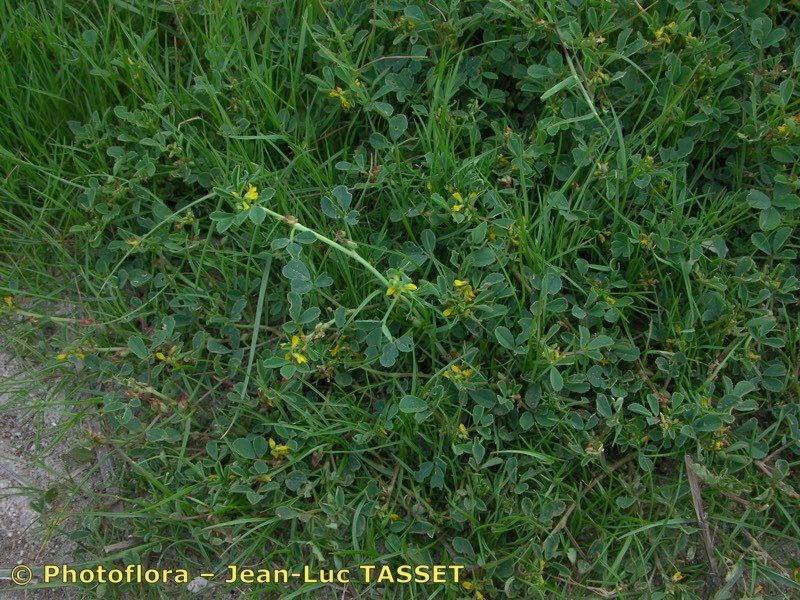
Propagating Melilotus siculus: A Gardener’s Guide to Sicilian Sweet Clover
Introduction:
Melilotus siculus, commonly known as Sicilian sweet clover, is an annual or biennial herbaceous legume with characteristic yellow, pea-like flowers. While less commonly cultivated than other Melilotus species, it holds horticultural significance for its potential in green manuring, erosion control, and as a nectar source for pollinators. Its relatively smaller size compared to some other clovers makes it suitable for smaller gardens. Its propagation, however, presents unique challenges which make success all the more rewarding.
Seed Germination:
Seed germination is a viable method for propagating Melilotus siculus, though it can be challenging. The hard seed coat often inhibits germination, requiring pre-treatment.
Challenges: Hard seed coat leading to dormancy.
Practical Tips: Scarification (using sandpaper to lightly abrade the seed coat) or soaking seeds in warm water (around 80°F/27°C) for 24-48 hours before sowing can improve germination rates. Sowing directly outdoors in spring, after the last expected frost, is generally recommended. Seeds should be sown at a depth of about ½ inch. Maintaining consistently moist (but not waterlogged) soil is crucial.
Rewards: High genetic diversity from seed propagation allows for a wider range of adaptability in different growing conditions. Seed propagation also offers the potential for large-scale propagation, ideal for green manure applications or landscape restoration projects.
Cuttings:
Currently, there are no known reliable methods for propagation of Melilotus siculus via cuttings. The plant’s physiology doesn’t appear to readily support vegetative propagation from stem or root cuttings.
Division:
Currently, there are no known reliable methods for propagation of Melilotus siculus via division. As an annual or biennial, the plant’s life cycle doesn’t lend itself to division.
Tissue Culture:
Tissue culture propagation of Melilotus siculus is largely unexplored. While theoretically possible, developing a successful protocol would require significant research and laboratory resources. This method, while offering potential for rapid and large-scale propagation of genetically uniform plants, is not currently a practical option for the average gardener.
Conclusion:
Propagating Melilotus siculus presents a unique set of challenges, primarily centered around seed germination. While overcoming the hard seed coat requires patience and specific techniques, the rewards of establishing this beneficial plant in your garden are considerable. The genetic diversity achieved through seed propagation offers a resilient population, capable of adapting to various conditions. While other methods like cuttings, division, and tissue culture are currently infeasible, the success of seed germination provides a satisfying and rewarding experience for the dedicated gardener. Don’t be discouraged by the initial challenges – the beauty and ecological value of a thriving Melilotus siculus patch makes the effort well worthwhile. Remember to prioritize soil preparation and consistent moisture to maximize germination success. Happy gardening!