
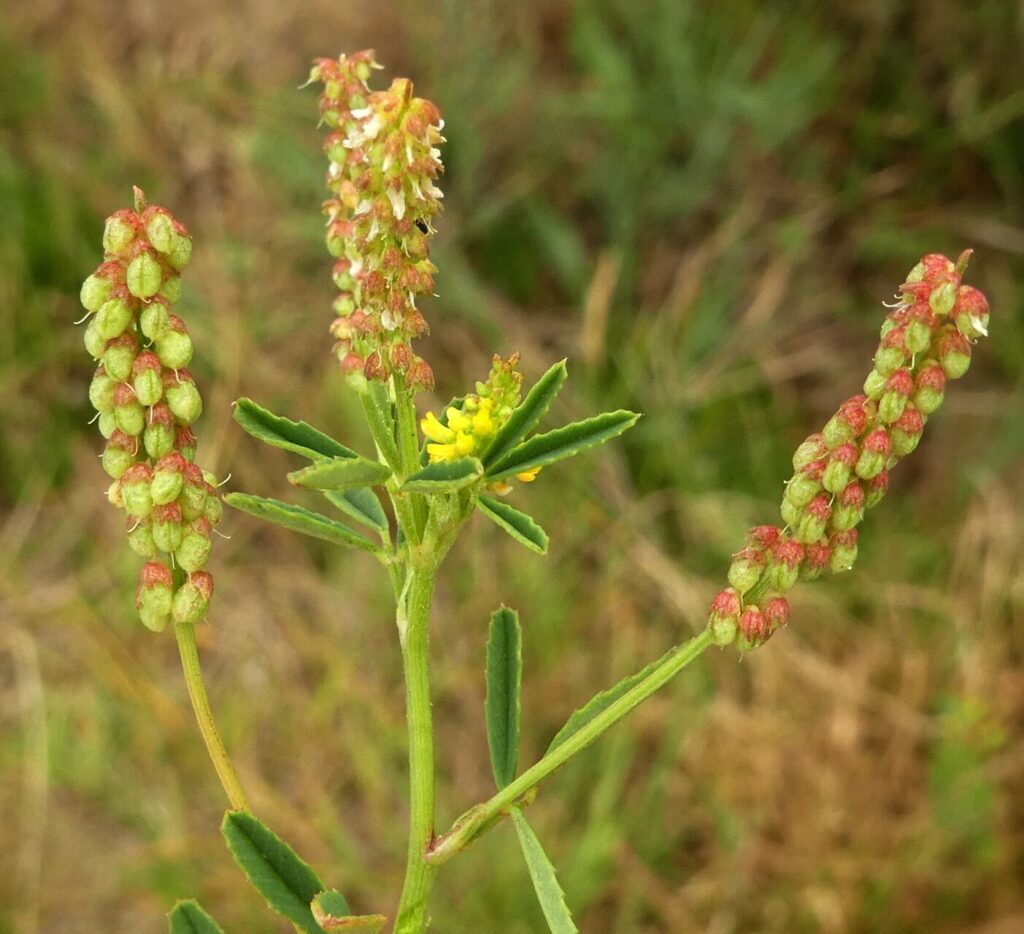
Sweet Clover Secrets: How to Easily Propagate Melilotus sulcatus
Looking for a beautiful, fragrant, and easy-to-grow plant? Look no further than Melilotus sulcatus, the sweet clover! Not only does this hardy annual produce delicate, sweet-smelling blooms, but it’s also a breeze to propagate. Whether you’re a seasoned gardener or just starting out, you can easily create new plants to share with friends, fill your garden beds, or even attract beneficial insects.
Understanding Melilotus sulcatus:
Sweet clover is a member of the legume family, known for its nitrogen-fixing abilities. This trait makes it a valuable companion plant in the garden, enriching the soil for other plants. The species “sulcatus” boasts delicate, yellow flowers that bloom from late spring to early fall, attracting bees and butterflies with their sweet fragrance.
Propagation Options:
Here are the two most common and straightforward methods for propagating Melilotus sulcatus:
1. Seed Propagation:
- Collecting seeds: As the flowers fade, seed pods develop and turn brown. Harvest these pods and allow them to dry completely. Once dried, remove the seeds.
- Direct sowing: Sow seeds directly into the ground in early spring or fall. Ensure proper spacing between seeds, as sweet clover grows quickly.
- Starting indoors: For a head start, sow seeds indoors in small pots filled with seed-starting mix a few weeks before the last frost.
- Germination: Maintain moist soil and provide sufficient sunlight for optimal germination. Seeds typically take 2-3 weeks to sprout.
2. Cuttings:
- Timing: Take softwood cuttings in early summer when the plant is actively growing.
- Selection: Choose healthy stems with several nodes, and ensure they are at least 4-6 inches long.
- Preparation: Cut the stem below a node using a sharp knife or pruning shears. Remove the lower leaves and apply rooting hormone to the cut end of the stem.
- Planting: Insert the cuttings into a pot filled with a well-draining potting mix. Keep the soil consistently moist and provide a bright, indirect light environment.
- Rooting: Roots will typically form within a few weeks, after which the cuttings can be transplanted into the garden.
Important Propagation Tips:
- Location: Sweet clover thrives in full sun to partial shade and prefers well-drained soil.
- Watering: Maintain consistent moisture, especially during dry periods.
- Fertilizer: While nitrogen-fixing, sweet clover can benefit from light fertilization to encourage vigorous growth.
- Spacing: Allow adequate spacing between plants for optimal growth and airflow.
Benefits of Propagating Your Own Sweet Clover:
- Save money: Propagation allows you to expand your garden without buying new plants.
- Customize your garden: You can choose the specific cultivars that best suit your gardening needs and aesthetic.
- Share your passion: Share your propagated plants with fellow gardeners or friends.
Conclusion:
Propagating Melilotus sulcatus is a simple and rewarding experience. With a little care and attention, you can easily start your own sweet clover patch, adding fragrance and beauty to your garden while attracting beneficial pollinators. So, why wait? Start propagating today and enjoy the sweet rewards of this versatile and lovely wildflower!