
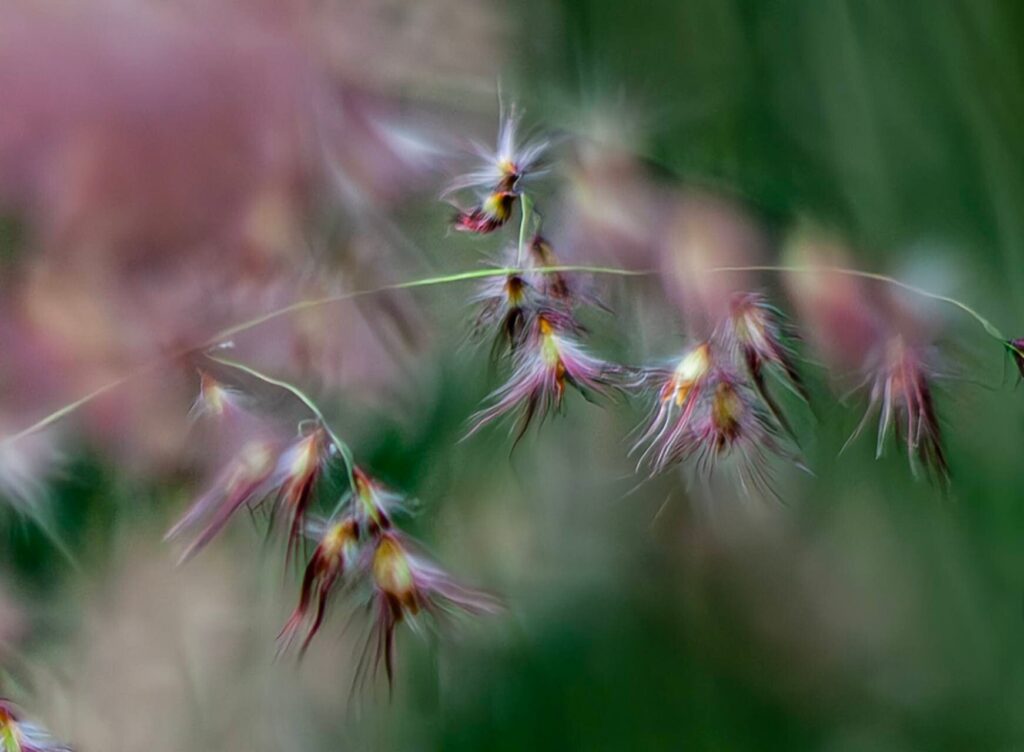
Propagating Melinis repens: Rose Grass’s Reproductive Journey
Introduction:
Melinis repens, commonly known as rose grass, is a perennial bunchgrass valued for its ornamental qualities and ecological benefits. Its feathery, rose-pink flower heads create a striking display, adding a touch of elegance to gardens and landscapes. While relatively low-maintenance, propagating rose grass can present some challenges, making successful cultivation particularly rewarding. Its popularity stems from its tolerance of poor soils, its usefulness in erosion control, and its attractive appearance, but its propagation isn’t always straightforward. The methods detailed below offer various approaches to successfully bringing more of this attractive grass into your garden.
Seed Germination:
Currently, there are no known reliable methods for seed germination propagation of Melinis repens. While the plant does produce seeds, their germination rate is notoriously low and unpredictable under most conditions. Factors such as seed dormancy and the need for specific environmental triggers are likely at play, hindering effective seed-based propagation.
Cuttings:
Cuttings offer a more reliable method for propagating Melinis repens compared to seed germination.
Challenges: The success rate can vary depending on the timing and technique. Using older, more mature stems may yield a lower success rate compared to younger, actively growing stems. Root rot is a potential issue if the cuttings are kept too moist.
Practical Tips: Take stem cuttings (about 4-6 inches long) from healthy, actively growing plants in spring or early summer. Remove the lower leaves to prevent rot. Dip the cut end in rooting hormone for enhanced success. Plant the cuttings in a well-draining propagation mix that retains some moisture. Maintain consistently moist (but not waterlogged) conditions and high humidity, perhaps using a humidity dome or propagator. Place in bright, indirect light.
Rewards: Cuttings offer a faster propagation method than division, allowing for quick increase in the number of plants. The resulting plants are genetically identical to the parent plant.
Division:
Division is a viable and relatively straightforward method for propagating Melinis repens.
Challenges: This method is most effective when the plant is actively growing. Care must be taken to avoid damaging the root system during the division process. Over-dividing can weaken the parent plant and the resulting divisions.
Practical Tips: Divide established clumps in spring or early autumn. Use a sharp spade or trowel to carefully separate the clump into smaller sections, ensuring each division has a healthy root system and multiple growing points. Replant the divisions immediately in well-prepared soil, providing adequate watering to help them establish.
Rewards: Division provides a simple and efficient way to increase the number of plants, and produces plants that are true to the parent.
Tissue Culture:
Whilst tissue culture can be employed for large scale propagation of Melinis repens, it’s generally not a practical approach for home gardeners due to its specialized requirements and high setup costs.
Challenges: This method requires a sterile laboratory setting, specialized equipment, and considerable expertise in plant tissue culture techniques. It’s also more complex and time-consuming than other propagation methods outlined.
Practical Tips: Successful tissue culture relies on using appropriate growth media, sterilization techniques, and maintaining aseptic conditions throughout the process. Specialized training and equipment are necessary.
Rewards: Tissue culture offers the potential for mass production of genetically uniform plants, allowing for the propagation of elite genotypes and rare varieties.
Conclusion:
Propagating Melinis repens presents a spectrum of challenges and rewards. While seed propagation remains unreliable, cuttings and division offer successful and relatively accessible methods for home gardeners. Tissue culture holds potential for large-scale production but requires significant expertise and resources. The satisfaction of successfully cultivating this beautiful grass, despite its propagation hurdles, is immense. The effort invested is handsomely repaid by the long-lasting charm and ecological benefits it brings to your garden. For aspiring propagators, starting with the simpler methods of cuttings or division is advised, gradually progressing to more complex techniques with acquired experience. Remember patience and consistent care are key to success with this charming grass.