
Propagating Meliosma myriantha: A Gardener’s Guide
Introduction:
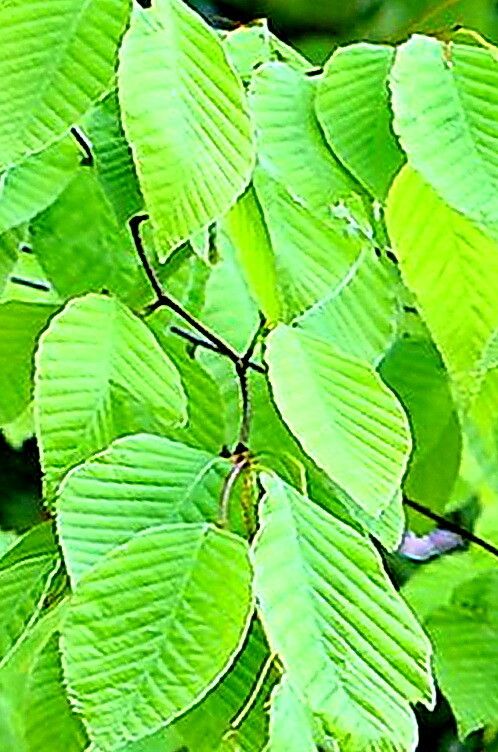
Meliosma myriantha, sometimes called the Many-flowered Meliosma although it lacks a widely-used common name, is a fascinating and increasingly popular ornamental shrub prized for its attractive foliage, delicate flowers, and interesting fruit. Its graceful form and relatively low maintenance requirements make it a desirable addition to gardens, but acquiring established plants can sometimes prove challenging. This article will explore various propagation methods for Meliosma myriantha, evaluating their feasibility and effectiveness. The unique aspects of its propagation lie in the potential difficulties encountered across all methods, requiring patience and attention to detail.
Seed Germination:
Currently, there are no known reliable methods for seed germination propagation of Meliosma myriantha. While seeds may be produced, their dormancy requirements and germination rates remain largely unstudied and unreliable in horticultural settings. Further research into specific stratification techniques or other pre-treatment methods is needed to determine the viability of this propagation method.
Cuttings:
Cuttings offer a potentially more successful method for propagating Meliosma myriantha. However, challenges remain.
Challenges: Root formation from cuttings can be slow and inconsistent. The success rate is often influenced by factors such as the age and health of the parent plant, the timing of cutting collection (ideally semi-hardwood cuttings in late spring/early summer), and the use of rooting hormones.
Practical Tips: Use sharp, clean tools to take 4-6 inch cuttings from non-flowering stems. Remove lower leaves to avoid rotting. Dip the cut ends in a rooting hormone powder before planting in a well-draining rooting medium (e.g., a mix of peat moss and perlite). Maintain high humidity (using a propagator or plastic bag) and consistent moisture levels. Bottom heat can encourage faster rooting.
Rewards: Cuttings offer a relatively quick method to produce genetically identical plants to the parent, preserving desirable characteristics.
Division:
Division is not a practical method for propagating Meliosma myriantha. This shrub does not readily produce suckers or offsets that can be easily separated and transplanted.
Tissue Culture:
Tissue culture offers the potential for large-scale propagation of Meliosma myriantha, bypassing many of the challenges associated with other methods.
Challenges: Establishing a successful tissue culture protocol for Meliosma myriantha requires specialized equipment, sterile conditions, and expertise in plant tissue culture techniques. Finding the optimal growth media and hormone concentrations can be experimentally intensive.
Practical Tips: This is not a method readily accessible to the home gardener. Establishing a tissue culture propagation system requires significant investment in equipment, media, and specialized training.
Rewards: Tissue culture offers the highest potential for mass production of genetically uniform plants, which could be invaluable for commercial propagation or conservation efforts.
Conclusion:
Propagating Meliosma myriantha presents several challenges across all commonly considered methods. While cuttings offer the most readily accessible option for home gardeners, success is not guaranteed and requires patience and attention to detail. Seed propagation currently appears unviable without further research, and division and tissue culture present significant hurdles. The rewards, however, make the effort worthwhile. The unique satisfaction of nurturing a cutting from a small sprig into a thriving, graceful Meliosma myriantha is a testament to the gardener’s skill and perseverance. Aspiring propagators should start with cuttings, utilizing rooting hormones and maintaining suitable environmental conditions. While the journey may be challenging, the beauty and rarity of this plant make the reward all the more fulfilling. Remember to research specific requirements for your region and climate.