
Taming the Wild Beauty: Propagating the Robust Menodora
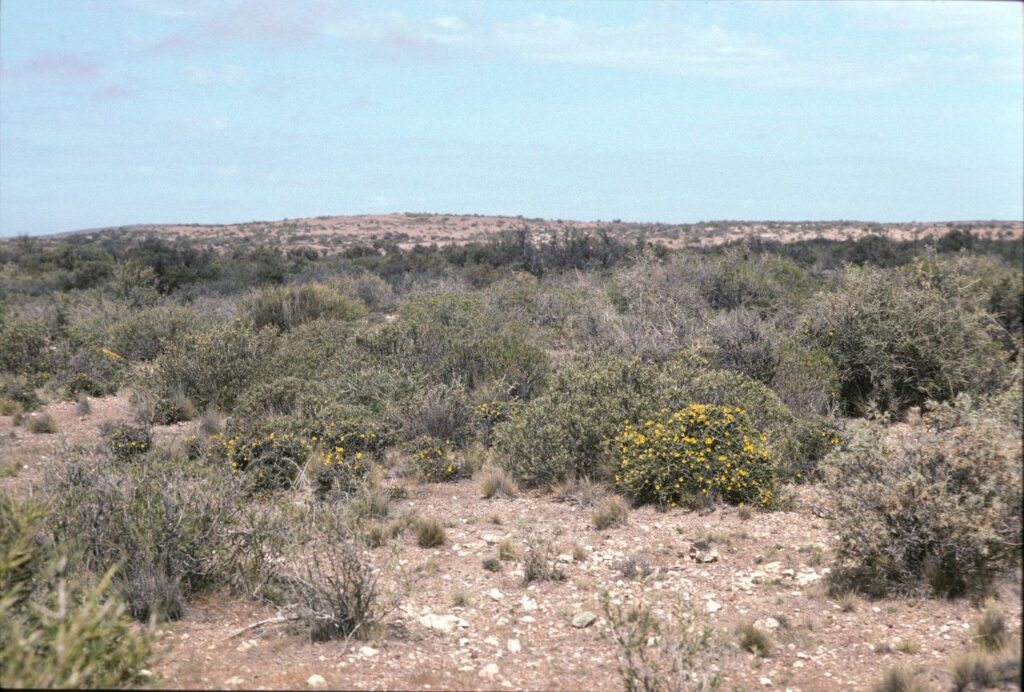
The Menodora robusta, also known as the plains menodora or the yellow jasmine, is a sight to behold across the sprawling grasslands of western North America. Its bright yellow, star-shaped flowers burst forth in the spring, adding splashes of vibrant color to the often-drab landscape. While readily available in nurseries within its native range, learning to propagate this tough beauty offers a rewarding challenge for the home gardener.
Seeds: A Test of Patience
Propagating Menodora robusta from seed is the most common method, though it requires a patient hand and a bit of green-thumb magic. Here’s how to increase your chances of success:
-
Collection and Preparation: Harvest mature seeds from dried seed capsules in late summer or fall. Gently crush the capsules to release the tiny, brown seeds. While fresh seeds generally offer better germination rates, they can be stored in a cool, dry place for later use.
-
Breaking Dormancy: Menodora robusta seeds exhibit dormancy, a natural mechanism delaying germination until conditions are optimal. To jumpstart the process, cold stratification is key. In late fall, sow seeds thinly in a seed tray filled with a well-draining seed starting mix. Moisten the mix and place the tray in a refrigerator (around 40°F) for 6-8 weeks.
-
Sowing and Patience: After stratification, move the seed tray to a bright location, but out of direct sunlight. Maintain a temperature of around 65-70°F. Keep the soil consistently moist, but not waterlogged. Germination can be erratic and may take several weeks or even months.
- Transplanting: Once seedlings develop a few sets of true leaves, they can be transplanted into individual pots or directly into the garden after the last frost has passed. Choose a sunny location with well-drained soil.
Cuttings: A Quicker Path (Sometimes)
Taking stem cuttings offers a faster alternative, though it is generally less reliable than seed propagation. The best time for this method is in late spring or early summer. Here’s what to do:
-
Selecting Cuttings: Choose healthy, non-flowering stems about 4-6 inches long. Make a clean cut just below a leaf node.
-
Preparing the Cuttings: Remove the lower leaves, leaving only 2-3 pairs at the top. Dip the cut end in rooting hormone to encourage root development.
-
Planting and Care: Plant the cuttings in a well-draining potting mix, burying at least two nodes below the soil surface. Water well and place them in a warm, humid environment. A propagation dome or a plastic bag placed over the cuttings can help retain moisture.
- Rooting and Transplanting: Cuttings can take several weeks to root. Check for root development by gently tugging on the stem. Once roots have formed, gradually acclimate the cuttings to outdoor conditions before transplanting them to their permanent location.
Challenges and Rewards:
Propagating Menodora robusta can be challenging, and not all attempts will be successful. Patience and persistence are key. But seeing this tough beauty thrive in your own garden, adding pops of sunshine and attracting pollinators, makes the effort truly worthwhile.