
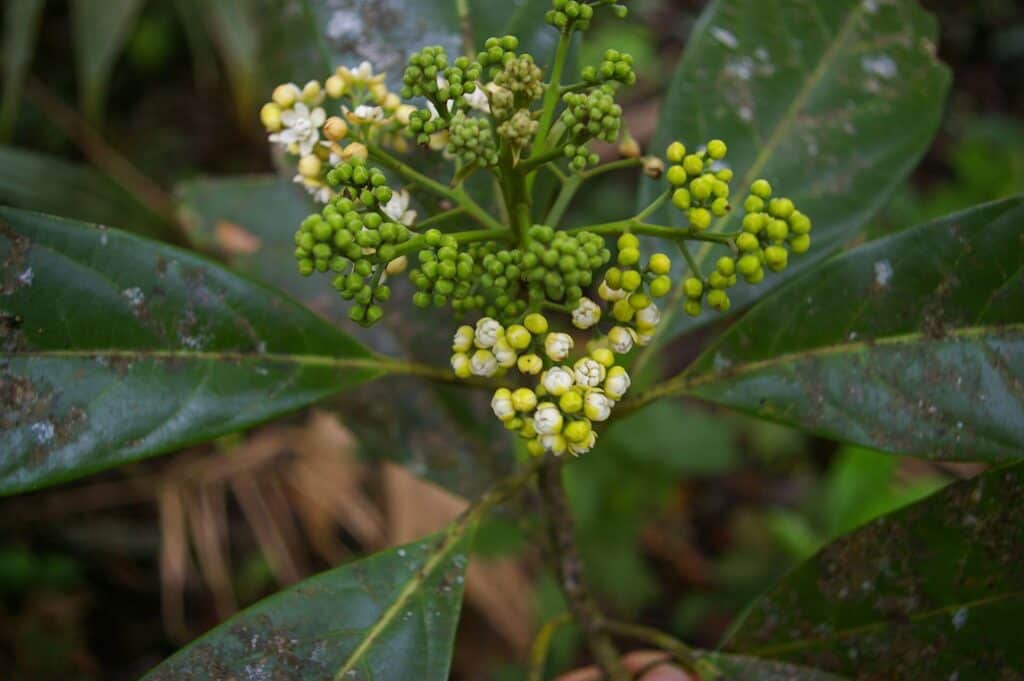
Unveiling the Secrets of Mespilodaphne macrophylla Propagation: A Guide for Plant Enthusiasts
Mespilodaphne macrophylla, a magnificent evergreen tree native to the rainforests of South America, captivates with its glossy foliage and aromatic bark. While not yet a common sight in home gardens, this botanical gem is slowly gaining popularity for its ornamental value and ecological importance. If you’re intrigued by Mespilodaphne macrophylla and eager to propagate this unique species, you’re in for a rewarding, albeit slightly challenging, experience.
Understanding the Basics
Before diving into the specifics, it’s crucial to understand that Mespilodaphne macrophylla can be propagated through two primary methods:
-
Seed Propagation: This method involves germinating seeds collected from mature trees. While it offers a sense of satisfaction from witnessing the entire lifecycle, it’s important to note that seed germination can be slow and unpredictable.
- Cutting Propagation: This technique involves taking cuttings from healthy branches and encouraging them to develop roots. While potentially faster than seed propagation, it requires more specific conditions and care.
The Seed Route: A Test of Patience
- Seed Collection & Preparation: Mespilodaphne macrophylla produces small fruits containing a single seed. The trickiest part is sourcing ripe fruits, usually from specialized nurseries or online suppliers. Once obtained, clean the seeds by removing any fruit pulp and soak them in lukewarm water for 24 hours.
- Sowing: Use a well-draining seed starting mix and sow the seeds about 1 inch deep. Ensure consistent moisture and a warm, humid environment. A propagation dome or plastic wrap over the pot can help retain humidity.
- Patience is Key: Germination can take anywhere from a few weeks to several months, so don’t lose heart if you don’t see sprouts immediately. Be patient, maintain optimal conditions, and seedlings will eventually emerge.
Taking the Cutting Path: A Focus on Precision
- Timing is Everything: The best time for taking cuttings is during the active growing season, ideally in late spring or early summer. Choose healthy, semi-hardwood branches for optimal results.
- Cuttings & Preparation: Using a sharp, sterilized knife or pruning shears, take cuttings about 4-6 inches long. Remove the lower leaves and wound the base of the cutting slightly to encourage root development.
- Rooting Hormone & Planting: Dipping the wounded end in rooting hormone powder can significantly increase success rates. Plant the cuttings in a well-draining rooting mix, burying the bottom node.
- Creating the Optimal Environment: Maintain high humidity by enclosing the cuttings in a humidity dome or placing them in a propagator. Provide bright, indirect light and consistently moist but not waterlogged soil.
Nurturing Your Mespilodaphne Macrophylla:
Regardless of the propagation method you choose, once your seedlings or rooted cuttings are established, gradually acclimate them to outdoor conditions. Mespilodaphne macrophylla thrives in well-drained soil and prefers a partially shaded location, mimicking its natural rainforest habitat.
Propagating Mespilodaphne macrophylla is undoubtedly a labor of love, but the reward of nurturing this rare and beautiful tree makes the effort worthwhile. With patience, care, and the right techniques, you can successfully propagate these botanical treasures and contribute to their preservation.