
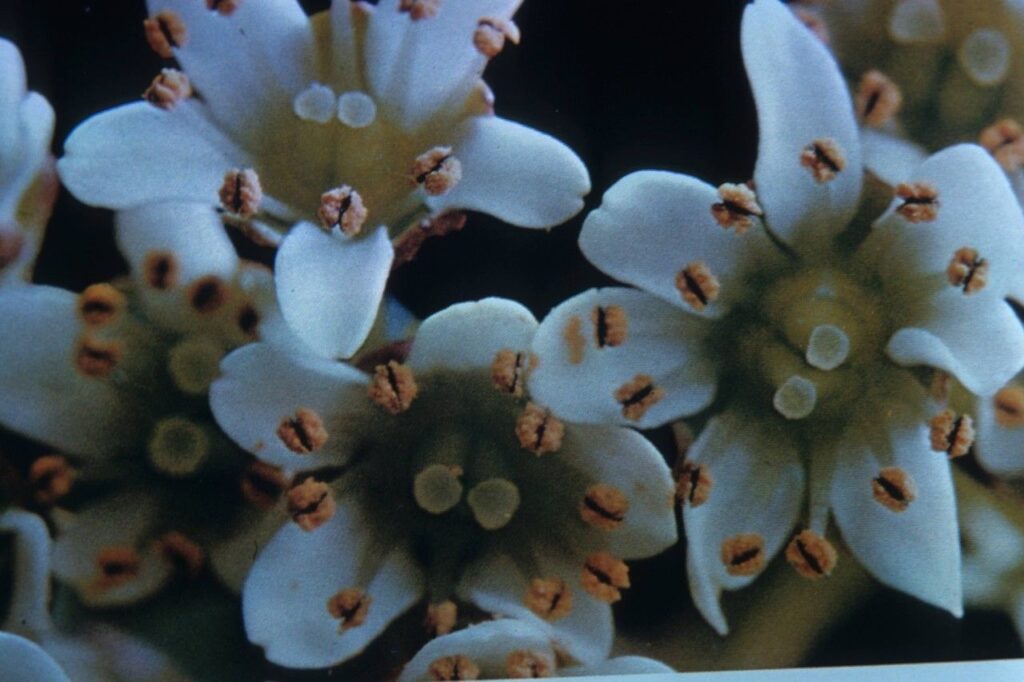
From One to Many: Propagating the Charming Micranthes Rufidula
Micranthes rufidula, often known as the “Red-leaved Saxifrage,” is a delightful addition to any garden. Its vibrant foliage, with its stunning reddish hues, provides a splash of color throughout the year. But did you know that this beautiful plant can easily be propagated to create more of these captivating specimens?
This blog post will delve into the fascinating world of propagating Micranthes rufidula, exploring various methods to expand your collection and share the joy of this charming plant with others.
Method 1: The Power of Division
One of the simplest ways to propagate Micranthes rufidula is through division. This method is best performed in spring or fall when the plant is actively growing. Here’s how:
-
Prepare the Plant: Carefully dig up the plant, ensuring you don’t damage its root system.
-
Divide the Clump: Use a sharp knife or trowel to gently separate the plant into smaller clumps, each with its own healthy root system.
-
Repotting: Plant the new divisions in fresh, well-draining potting mix, ensuring adequate spacing.
- Water and Care: Water thoroughly and provide consistent care, including regular watering and a suitable location with partial shade.
Method 2: The Art of Leaf Cuttings
Micranthes rufidula can also be propagated through leaf cuttings. This method allows you to initiate new plant growth from a single leaf, demonstrating the plant’s inherent resilience.
-
Choose Healthy Leaves: Select healthy, mature leaves from the plant to encourage successful propagation.
-
Prepare the Cuttings: With a clean, sharp knife, cut a leaf from the stem, ensuring a small portion of the stem is included.
-
Propagation Medium: A mixture of peat moss and perlite or vermiculite is ideal for rooting leaf cuttings.
-
Planting: Plant the leaf cuttings, ensuring the stem portion is submerged in the propagation medium.
-
Create a Humid Environment: Cover the propagation tray with a clear plastic wrap or humidity dome to maintain optimal humidity.
- Patience: The process of rooting leaf cuttings can take several weeks, so patience is key. Once the new plants establish roots, they can be transplanted into individual pots.
Method 3: The Magic of Seed Propagation
While less common for Micranthes Rufidula, successful seed propagation is possible. This method offers the opportunity to create a diverse range of plants, with potential for variations in color and size.
-
Collect Seeds: Gather the seeds from mature seed pods of the Micranthes Rufidula.
-
Sowing: Sow the collected seeds in well-draining seed starting mix, providing sufficient space between each.
-
Moisture: Keep the soil consistently moist for optimal seed germination.
-
Light: Provide adequate sunlight for healthy seedling growth.
- Transplanting: Once the seedlings are large enough, they can be transplanted into individual pots or the desired outdoor location.
Final Thoughts
Propagating Micranthes Rufidula is a rewarding endeavor, allowing you to easily expand your garden with this captivating plant. Whether you choose division, leaf cuttings or seed propagation, each method presents unique opportunities to enjoy the colorful beauty of Micranthes Rufidula and share its charm with friends and family.