
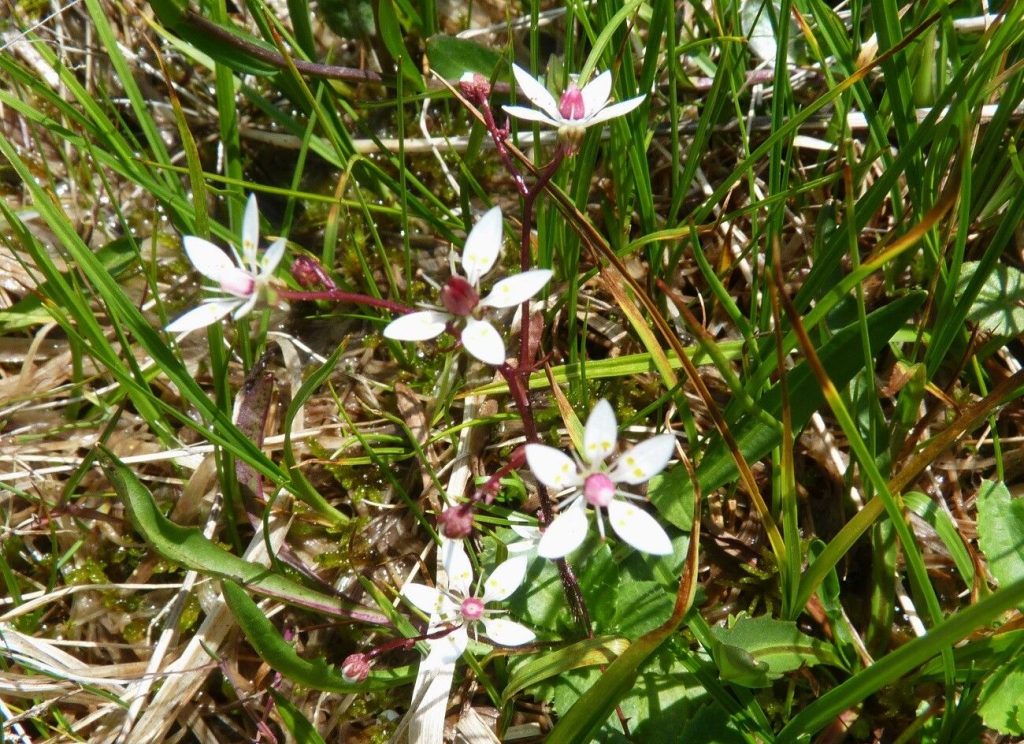
Propagating the Starry Saxifrage (Micranthes stellaris): A Gardener’s Guide
Introduction:
Micranthes stellaris, commonly known as the starry saxifrage, is a charming alpine plant prized for its delicate, star-shaped white flowers and its ability to thrive in damp, rocky environments. Its resilience and beauty make it a popular choice among rock garden enthusiasts and those seeking low-maintenance groundcover. While relatively easy to maintain once established, propagating starry saxifrage can present some unique challenges, making successful propagation a rewarding experience. This article explores various propagation methods to help gardeners achieve success.
Seed Germination:
Seed germination for Micranthes stellaris is possible but notoriously challenging and often yields unpredictable results. The small seeds possess a relatively low germination rate and require specific conditions to sprout.
Challenges: The main challenge lies in the seed’s need for cold stratification. Freshly collected seeds require a period of cold, moist conditions to break dormancy. Insufficient stratification or irregular temperature fluctuations can significantly hinder germination. Additionally, seedlings are susceptible to damping-off (fungal disease) in overly moist conditions.
Practical Tips: Seeds should be sown in a well-drained seed-starting mix after a period of at least 8 weeks of cold stratification (ideally in a refrigerator at 3-5°C). Sow thinly on the surface, gently pressing them into the mix but not covering them completely. Maintain consistent moisture but avoid overwatering to prevent damping-off. A germination rate of 20-40% is considered good, emphasizing the need for patience.
Rewards: Successfully germinating starry saxifrage seeds offers the reward of genetic diversity, enabling the cultivation of plants with potentially unique traits. It also allows for large-scale propagation if enough seed is harvested.
Cuttings:
Vegetative propagation through cuttings offers a more reliable method for propagating Micranthes stellaris compared to seed germination.
Challenges: While easier than seed germination, success depends on selecting healthy, actively growing stems. The cuttings must root quickly before they desiccate.
Practical Tips: Take stem cuttings in spring or early summer, ensuring each cutting has 2-3 nodes. Remove lower leaves to prevent rotting. Dip the cut ends in rooting hormone to promote root development. Plant the cuttings in a well-draining, damp propagating mix, maintaining high humidity (e.g., using a propagator or covering with a plastic bag). Keep the cuttings in indirect sunlight.
Rewards: Cuttings offer higher success rates than seed germination, producing genetically identical plants to the parent.
Division:
Division is perhaps the easiest and most reliable method for propagating Micranthes stellaris.
Challenges: Division is best performed during the dormant season (autumn or early spring) and requires careful handling to avoid damaging the delicate roots. Overly vigorous division can stress the plants, potentially reducing their vigor.
Practical Tips: Gently dig up the established plant and carefully separate it into smaller clumps, ensuring each division has sufficient healthy roots and foliage. Replant the divisions immediately into well-prepared, moist soil. Water thoroughly after planting.
Rewards: Division is a simple, quick, and efficient method that guarantees a high success rate, producing numerous genetically identical plants.
Tissue Culture:
Tissue culture propagation for Micranthes stellaris is possible but generally not practiced by home gardeners due to its specialized requirements (sterile lab conditions, specific growth media, etc.).
Challenges: Establishing a sterile environment and acquiring the necessary expertise and equipment for tissue culture are significant barriers for home gardeners.
Practical Tips: This method is best left to professional plant nurseries or research labs with the appropriate resources.
Rewards: Tissue culture enables the mass production of clonal plants quickly and efficiently, but the cost and required expertise make it impractical for individual gardeners.
Conclusion:
Propagating Micranthes stellaris offers diverse challenges and corresponding rewards. While seed germination presents the greatest difficulty, it also offers the most genetic diversity. Cuttings and division provide more reliable, and less technically demanding, alternatives, ensuring successful propagation for most keen gardeners. The unique satisfaction derived from cultivating this lovely plant from a cutting, division, or even a seed, lies in overcoming these challenges and witnessing the growth of these hardy little stars. Don’t be discouraged by initial failures; persistence and attention to detail are key to successfully propagating this charming alpine dweller. Experiment with the methods outlined above, and enjoy the beauty of your self-propagated starry saxifrage!