
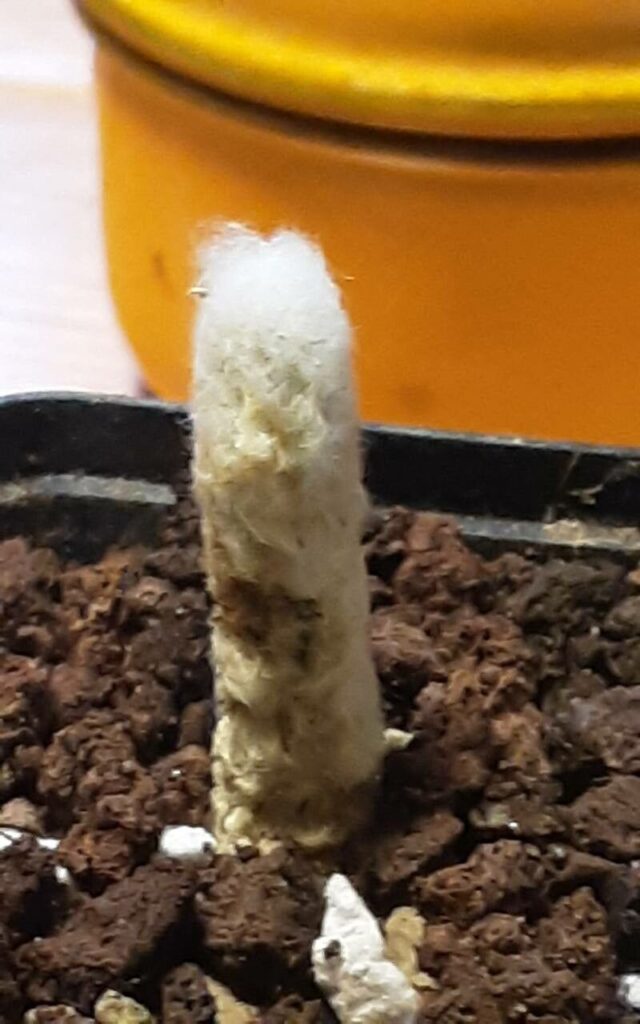
Propagating Micranthocereus flaviflorus: A Guide for the Determined Cactus Enthusiast
Introduction:
Micranthocereus flaviflorus, also known as the Golden-flowered Micranthocereus, is a captivating cactus species prized for its vibrant yellow flowers and charming, slender form. Its relatively compact size and striking blooms make it a popular choice among cactus enthusiasts, despite the challenges associated with its propagation. The plant’s unique characteristics and relative rarity contribute to its appeal, making successful propagation a particularly rewarding endeavor. Unlike some readily propagated cacti, Micranthocereus flaviflorus presents some obstacles, requiring careful consideration of several methods.
Seed Germination:
Currently, there are no known reliable methods for seed germination propagation of Micranthocereus flaviflorus. While seeds may be obtained, germination rates are reportedly extremely low, even under ideal conditions. Further research is needed to determine optimal germination protocols for this species.
Cuttings:
Challenges: Micranthocereus flaviflorus is not readily propagated from cuttings. The success rate is low due to the plant’s tendency to rot before callusing and rooting.
Practical Tips: If attempting cutting propagation, use a very sharp, clean knife or blade to take stem cuttings from mature, healthy growth. Allow the cuttings to callus over for several days to a week in a dry, shaded area. Plant the cuttings in a well-draining cactus potting mix, ensuring minimal contact with the soil. Avoid overwatering, which is a significant contributor to failure. Use a rooting hormone may slightly increase chances of success, but expectations should remain tempered.
Rewards: Successful rooting from cuttings can lead to a genetically identical copy of the parent plant, preserving desirable traits.
Division:
Challenges: Division is not a viable propagation method for Micranthocereus flaviflorus. This cactus does not typically produce offsets or pups that can be easily separated and replanted.
Practical Tips: N/A
Rewards: N/A
Tissue Culture:
Challenges: Tissue culture, while potentially successful, requires specialized equipment, a sterile environment, and considerable expertise in plant tissue culture techniques. Establishing aseptic cultures from Micranthocereus flaviflorus may prove challenging due to potential contamination issues.
Practical Tips: If attempting tissue culture, use established protocols for cactus propagation, paying close attention to sterilization methods and media composition. The use of appropriate growth regulators will be crucial for shoot multiplication and root development.
Rewards: Tissue culture offers the potential for large-scale propagation and the production of many genetically identical plants. It’s the most promising method for long-term conservation and wider availability of this species.
Conclusion:
Propagating Micranthocereus flaviflorus presents several significant challenges. Seed germination appears unreliable, and both cuttings and division are largely ineffective. Tissue culture remains the most promising, albeit technically demanding, approach. The potential rewards – preserving this beautiful cactus for future generations and increasing its availability – are significant, justifying the effort for experienced propagators with the necessary resources and skills. The unique satisfaction of successfully cultivating this plant from cuttings or via tissue culture, overcoming these hurdles, is a testament to the determination and commitment of the cultivator. For aspiring propagators, patience, attention to detail, and a healthy dose of perseverance are essential ingredients for success. Don’t be discouraged by initial setbacks; the journey itself is a rewarding aspect of cultivating this unique and beautiful cactus.