
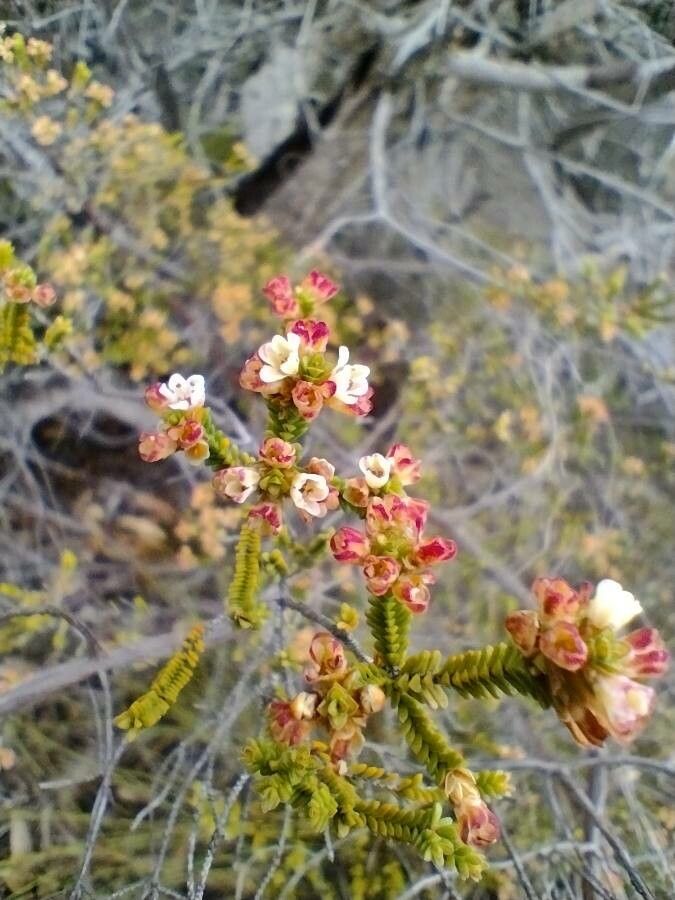
Tiny but Mighty: Propagating Micromyrtus ciliata for a Pocket-Sized Paradise
Micromyrtus ciliata, also known as the “Dwarf Myrtle,” might be small in stature, but its delicate foliage and charming, star-shaped flowers pack a punch in any garden. If you’re captivated by this miniature marvel and want to share its beauty with friends or expand your own collection, propagation is the key.
This blog post will guide you through the process of successfully propagating Micromyrtus ciliata, ensuring you can enjoy these tiny gems for years to come.
The Magic of Cuttings:
Micromyrtus ciliata readily responds to propagation through cuttings, making it a relatively simple and rewarding process. Here’s a step-by-step guide:
Timing is Key: The best time to take cuttings is during the spring or summer months when the plant is actively growing.
Select the Right Cuttings: Choose healthy, non-flowering stems from the current year’s growth. Aim for 4-6 inches long cuttings, ensuring there are at least 4-5 sets of leaves.
Prepare the Cuttings: Make a clean cut just below a node (where leaves emerge), using a sharp knife or pruning shears.
Root Hormone: Dip the cut end of the cutting into a rooting hormone powder or liquid. This provides an extra boost for root development.
The Planting Medium: Fill small pots or seed trays with a well-draining, sterile potting mix. Perlite or vermiculite can be added for enhanced drainage.
Planting the Cuttings: Create a small hole in the potting mix and insert the cutting. Gently firm the soil around the base.
Maintaining a Humid Environment: Cover the pot or tray with a clear plastic dome or wrap. This creates a humid environment that helps the cuttings develop roots.
Location, Location, Location: Place the cuttings in a bright spot, but out of direct sunlight. Ideal temperatures are around 70-75°F.
- Patience is the Key: It can take 4-6 weeks for the cuttings to develop roots. Keep the potting mix consistently moist, but avoid overwatering.
A Little Extra Something:
While cuttings are a popular method, Micromyrtus ciliata can also be propagated through seed. This method takes more time and has a slightly lower success rate, but it can be an exciting way to cultivate new plants. Seed propagation usually involves sowing the seeds in a well-draining mix and providing consistent moisture and warmth.
Important Considerations:
- Fungus Gnats: A humid environment can attract fungus gnats. To prevent this, you can use yellow sticky traps or sprinkle a layer of diatomaceous earth on the soil surface.
- Light: Once rooted, Micromyrtus ciliata will thrive in a bright location, but protect it from direct afternoon sun.
- Watering: Water consistently but allow the soil to dry slightly between waterings. Overwatering can lead to root rot.
Embracing the Miniature Majesty:
With its delicate beauty and ease of propagation, Micromyrtus ciliata is a delightful addition to any garden or home. Whether you’re an experienced gardener or a beginner, propagating this tiny treasure can be a fulfilling and rewarding experience. As you witness its miniature majesty bloom and spread, you’ll create a small-scale, verdant oasis that brings joy to your heart and a unique touch to your space.