
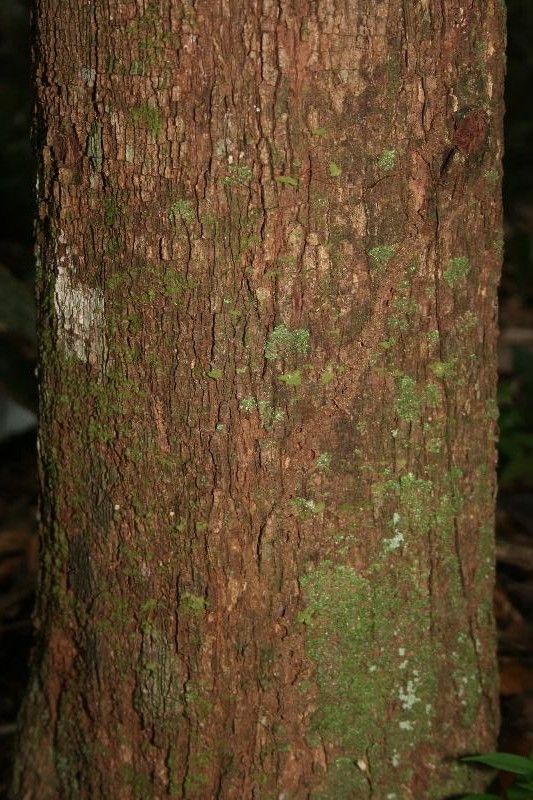
Unlocking the Secrets: Propagating the Tropical Gem, Micropholis venulosa
The world of exotic plants is a treasure trove of unique beauty, and among these treasures lies the intriguing Micropholis venulosa. This tropical species, a relative of the sapodilla fruit tree, charms with its glossy foliage and intriguing silhouette. While information on its propagation is scarce, we delve into the depths of botanical knowledge to explore the methods that hold the most promise for success.
Understanding the Challenge:
Micropholis venulosa is not widely cultivated, making it a rare find in nurseries. This rarity stems, in part, from the challenges associated with its propagation. Unlike common garden plants that readily sprout from cuttings or seeds, this species demands patience and a touch of botanical finesse.
The Seed of Hope: Germination Techniques:
Seed propagation, while potentially time-consuming, offers a rewarding journey for the dedicated enthusiast. Here’s what you need to know:
- Source Fresh Seeds: Obtaining fresh, viable seeds is crucial. Look for reputable seed suppliers specializing in exotic species or connect with botanical gardens.
- Mimicking Nature’s Cradle: Micropholis venulosa thrives in warm, humid environments. Replicate these conditions by sowing seeds in a well-draining seed-starting mix and placing them in a warm, brightly lit location, but out of direct sunlight. A heat mat can be beneficial in maintaining consistent soil warmth.
- Patience is a Virtue: Germination can be slow and sporadic, with some seeds taking several months to sprout. Maintain consistent moisture and warmth throughout this period.
Exploring the World of Cuttings:
Propagating Micropholis venulosa from cuttings presents a higher degree of difficulty, but success isn’t unattainable.
- Timing is Everything: Take cuttings during the plant’s active growing season, ideally in spring or early summer.
- Choose Wisely: Select healthy, semi-hardwood cuttings from the current year’s growth.
- Hormone Boost: Applying a rooting hormone to the cut end can significantly enhance the chances of successful root development.
- Creating a Conducive Environment: Plant the cuttings in a well-draining rooting mix and maintain a warm, humid environment. A humidity dome can be immensely helpful in this regard.
Nurturing Your Micropholis venulosa:
Whether grown from seed or cutting, young Micropholis venulosa plants require attentive care to flourish:
- Light: Provide bright, indirect light to encourage healthy growth.
- Water: Maintain consistently moist, but not waterlogged, soil.
- Humidity: This species enjoys higher humidity levels. Regular misting or the use of a humidifier can be beneficial.
- Fertilizer: During the growing season, fertilize with a balanced, diluted fertilizer every 4-6 weeks.
Reaping the Rewards:
Propagating Micropholis venulosa is a rewarding endeavor for the patient gardener. The journey might demand dedication and a touch of botanical knowledge, but the reward is the satisfaction of nurturing this exotic beauty from its earliest stages. With care and attention, your efforts will be met with the captivating presence of this tropical gem gracing your indoor or outdoor haven.