
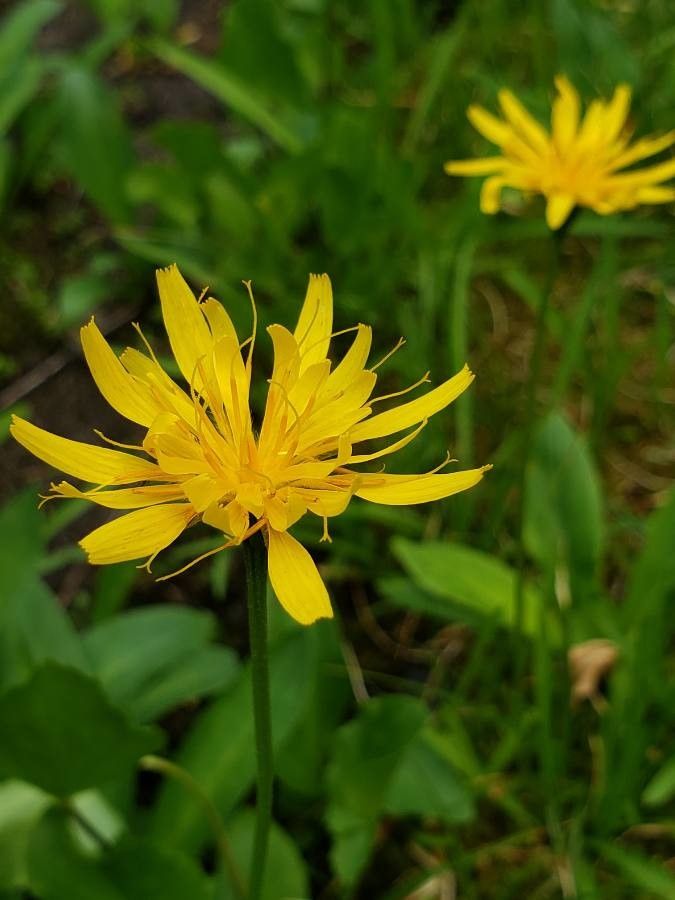
Unlocking the Secrets of the Northern Microseris: A Guide to Propagation
The Northern Microseris (Microseris borealis), a charming little wildflower with its sunny yellow blooms, might not be as familiar as roses or tulips, but its unique charm and resilience make it a fascinating subject for plant enthusiasts. If you’re looking to introduce this hardy beauty to your wildflower garden or simply curious about its lifecycle, understanding its propagation methods is key.
Seeds: The Journey from Tiny Specks to Vibrant Blooms
Like most wildflowers, the Northern Microseris primarily reproduces through seeds. But these aren’t your average garden variety seeds. Look closer, and you’ll notice each seed is attached to a delicate, parachute-like structure called a pappus. This ingenious adaptation allows the wind to carry the seeds far and wide, ensuring the plant’s survival across its natural range.
Collecting and Sowing:
- Timing is Key: The best time to collect the seeds is in late summer or early fall when the flower heads have matured and turned a fluffy white. Gently pluck the seed heads and store them in a paper bag in a cool, dry place.
- Preparing for Sowing: Before sowing, gently separate the seeds from the pappus. This can be done by rubbing the seed heads between your fingers.
- Sowing the Seeds: Choose a spot in your garden that receives full sun to partial shade. Scatter the seeds over the soil surface, as they need light to germinate. Gently press them down but avoid burying them.
- Patience is a Virtue: The Northern Microseris seeds have a period of dormancy and may take several weeks or even months to germinate, depending on the environmental conditions.
Division: Multiplying Your Microseris Bounty
While seed propagation is the most common method, the Northern Microseris can also be propagated through division. This technique is particularly useful if you already have an established plant and want to create more.
The Division Process:
- Timing: The ideal time for division is in the spring or fall when the plant is actively growing.
- Digging Up: Carefully dig up the entire plant, ensuring you get as much of the root system as possible.
- Dividing the Clump: Using a sharp, clean knife or garden shears, divide the plant into smaller sections, ensuring each section has a good amount of roots and shoots.
- Replanting: Replant the divisions in your garden, spacing them about 12 inches apart. Water them thoroughly.
Caring for Your Microseris:
The Northern Microseris is a relatively low-maintenance plant. Once established, it only requires minimal care:
- Watering: Water regularly during the first growing season to help the plant establish itself. Once established, it is relatively drought-tolerant.
- Soil: It prefers well-drained soil but can tolerate various soil types.
- Sunlight: This wildflower thrives in full sun to partial shade.
By understanding the propagation methods and basic care requirements, you can successfully cultivate the Northern Microseris and enjoy its cheerful blossoms year after year. So, go ahead and invite this resilient and charming wildflower into your garden – you won’t be disappointed!