
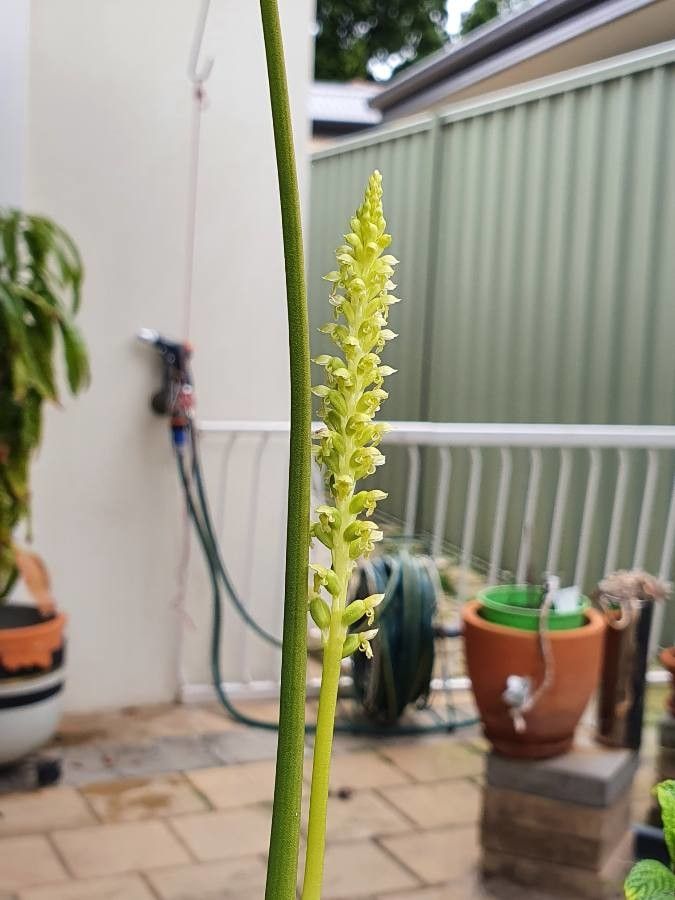
Unlocking the Secrets of the Tiny Orchid: Propagating Microtis unifolia
The Microtis unifolia, often referred to as the “Onion Orchid” due to its tiny, onion-like tubers, is a fascinating and diminutive native orchid found in Australia and New Zealand. Its delicate beauty and curious growth habit have captivated plant enthusiasts, leading many to wonder: can these tiny wonders be propagated at home? The answer, surprisingly, is a resounding yes!
While Microtis unifolia doesn’t readily lend itself to traditional methods like cutting or grafting, a unique approach, relying on its natural reproductive cycle, allows for successful propagation. This involves understanding the orchid’s lifecycle and creating conditions that mimic its natural environment.
Understanding the Cycle: From Seed to Bloom
The Microtis unifolia’s life begins from a minute seed, barely visible to the naked eye. These seeds are dispersed by the wind and require a specific fungal partner to germinate. This is where the magic happens, as the fungus provides the necessary nutrients for the seed to grow.
Once the seed sprouts, it forms a tiny, underground tuber. This tuber acts as a storage organ, accumulating resources for growth. Over time, the tuber enlarges and eventually produces a single leafy stem, topped with a single flower. The flower, though small, is a marvel of nature, with intricate details and a mesmerizing scent that attracts pollinators.
After fertilization, the flower develops a seed capsule, releasing countless tiny seeds into the world, continuing the cycle.
The Key to Success: Mimicking Nature
Propagating Microtis unifolia at home requires patience and a keen understanding of its natural habits. Here’s a step-by-step guide:
1. Gathering Seeds:
The first step involves carefully collecting ripe seed capsules from mature plants. Look for capsules that have turned brown and slightly dry. Carefully remove the seeds and store them in a cool, dry place until you’re ready to propagate.
2. Crafting a Suitable Environment:
Microtis unifolia seeds require a specific medium for germination. A combination of sterilized potting mix, peat moss, and sand, along with a layer of fine leaf litter, provides a suitable environment mimicking their natural habitat.
3. Introducing the Partner:
The crucial ingredient for successful propagation is a symbiotic fungal partner. While it’s difficult to cultivate specific fungi, adding a teaspoon of soil from the plant’s natural habitat can introduce a diverse range of microbes, increasing the chances of finding a suitable partner.
4. Patience is Key:
Germination can take several months, even up to a year in some cases. It’s essential to maintain patience and ensure the environment remains consistently moist and warm. Providing indirect sunlight and avoiding direct heat are crucial for successful germination.
5. Patience Pays Off:
As time goes by, you’ll notice tiny green shoots emerging from the soil. These shoots, each containing a tiny tuber, will eventually develop into miniature versions of the mature plant.
6. Growing On:
Once the plants are established, transplant them into individual pots filled with a well-draining potting mix. These young plants will continue to grow, reaching maturity and eventually flowering, creating a new generation of Microtis unifolia orchids.
Final Thoughts:
Propagating Microtis unifolia is a rewarding journey for anyone interested in the intricate world of orchids. It requires patience, a keen eye for detail, and a deep appreciation for nature’s delicate balance. By mimicking the plant’s natural environment and fostering its symbiotic relationship with fungi, you can unlock the secrets of propagation and enjoy the beauty of these tiny botanical wonders in your own garden.