
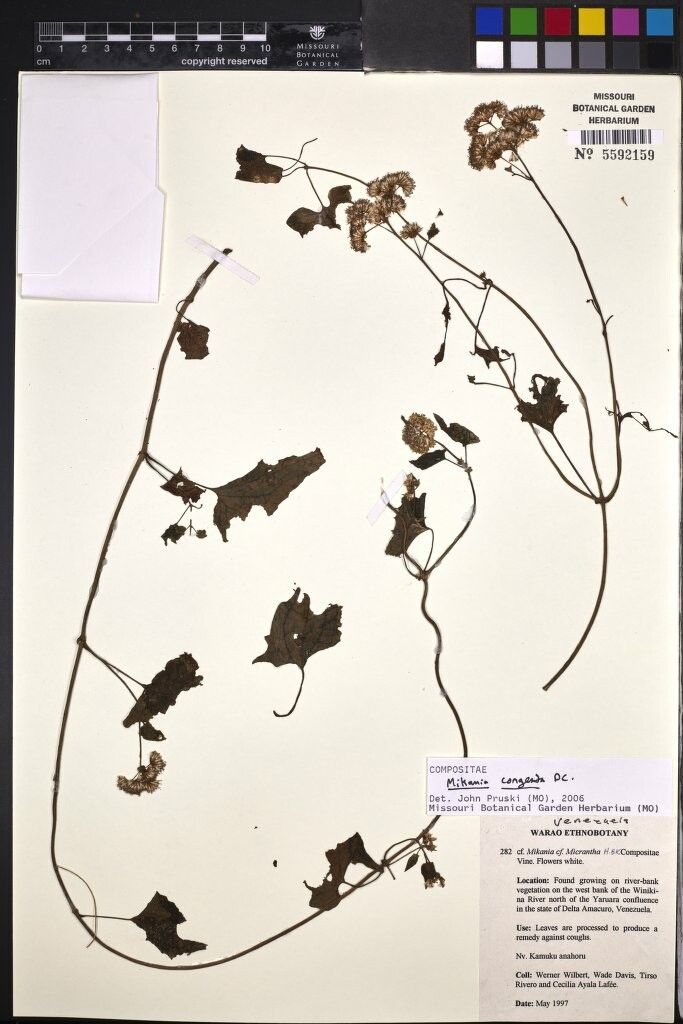
Unleashing the Green Titan: Propagating Mikania Congesta
Mikania congesta, also known as the Climbing Hempvine or Mile-a-minute Vine (though not to be confused with the invasive Persicaria perfoliata), is a vigorous climber known for its lush foliage and ability to create stunning green screens. Whether you’re looking to add an explosion of green to your garden or want to multiply your existing Mikania, propagation is surprisingly easy. Let’s explore the methods to transform you into a Mikania-multiplying machine!
Understanding the Basics
Before we delve into the “how”, let’s get acquainted with the “what”. Propagation is basically creating new plants from existing ones. Mikania Congesta, with its rapid growth habit, is incredibly receptive to propagation, making it a joy for both seasoned gardeners and green thumbs in the making.
Two Techniques for Triumph
-
Stem Cuttings: The Go-To Method
- Timing is Key: The ideal time to take cuttings is during the growing season (spring to early fall) when the plant is bursting with energy.
- Selecting Your Cuttings: Choose healthy, vigorous stems that are not flowering. A length of 4-6 inches is ideal, with at least two nodes (the points on the stem where leaves emerge) per cutting.
- Preparing the Cuttings: Make a clean cut just below a node using sharp, sterilized shears or a knife. Remove the leaves from the lower portion of the cutting, leaving a few at the top.
- Rooting Hormone (Optional): While not essential, dipping the cut end in rooting hormone can encourage faster root development.
- Planting the Cuttings: Plant the cuttings in a well-draining potting mix. Keep the soil moist but not waterlogged.
- Creating a Humid Environment: Cover the pot with a plastic bag or use a propagator to maintain humidity. This helps the cuttings retain moisture while developing roots.
- Patience is a Virtue: In a few weeks, you should start seeing new growth, indicating successful rooting. Once the cuttings are well-established, you can transplant them into individual pots or your desired location in the garden.
- Layering: Letting Nature Lend a Hand
- Selecting a Stem: Choose a long, flexible stem from the parent plant.
- Wounding the Stem (Optional): Gently wound the stem by making a small cut or scraping a section of the bark. This can encourage root development at that point.
- Bury and Secure: Bend the stem down and bury the wounded portion in the soil, securing it with a rock or landscape pin. Ensure the growing tip of the stem remains above the soil.
- Maintaining Moisture: Keep the soil consistently moist.
- Separation Anxiety (But Not Really): Once new growth emerges from the layered section and roots have developed (in a few weeks), you can separate the newly rooted plant from the parent plant.
Caring for Your Propagated Mikania
- Light: Mikania Congesta thrives in bright, indirect light.
- Water: Water regularly, making sure the soil remains evenly moist. Avoid overwatering, which can lead to root rot.
- Support: Being a natural climber, this plant appreciates having a trellis, fence, or other support structures to climb.
With its ease of propagation, Mikania Congesta allows you to enjoy its beauty in abundance. Whether you choose stem cuttings or the art of layering, get ready to witness the magic of plant propagation firsthand. Happy growing!