
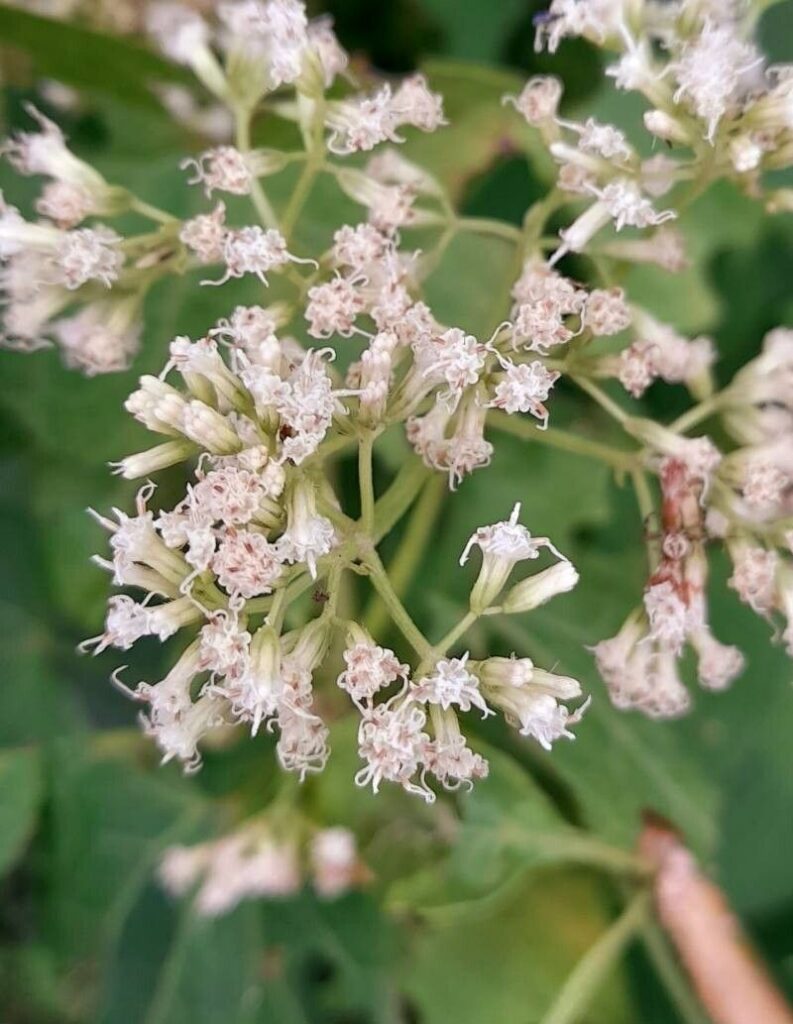
Taming the Vine: Propagating the Mighty Mikania Micrantha
Mikania micrantha, also known as the mile-a-minute weed, might have a reputation as an aggressive grower, but this incredibly resilient vine has a fascinating propagation process that can be surprisingly easy to manage.
Before we delve into the “how-to,” a word of caution: Mikania micrantha’s notorious growth rate is due to its ability to spread rapidly. Always propagate and dispose of plant material responsibly, ensuring it doesn’t escape into the environment where it could become invasive and harm native ecosystems.
Two Routes to Root:
Mikantha micrantha primarily reproduces in two ways:
1. Seed Powerhouse:
- Prolific Producer: Each flower head on this vine can produce a staggering 40,000 seeds per year! These tiny, lightweight seeds are easily dispersed by wind, water, and even on animals or clothing.
- Survival Mode: Mikania seeds are incredibly resilient and can remain viable in the soil for years, patiently waiting for optimal conditions to germinate.
2. Stem Cuttings: A Faster Spread:
- Nodes of Growth: Mikania’s stems have nodes, small bumps where leaves and roots develop. These nodes are the key to successful propagation from cuttings.
- A Simple Technique: Simply take a stem cutting with at least two nodes, place it in moist soil or water, and watch it root within weeks.
Propagating Responsibly:
If you’re experimenting with Mikania micrantha propagation, strict containment is crucial:
- Controlled Environment: Opt for pots or containers instead of open ground planting to prevent unwanted spread.
- Disposal Dilemmas: Never discard Mikania cuttings or seeds in compost piles or yard waste. Seal them in plastic bags and dispose of them responsibly through your local waste management system.
Understanding Mikania’s Dominance:
This plant’s remarkable propagation abilities provide valuable insights into its ecological impact:
- Rapid Colonization: Mikania’s quick growth allows it to quickly cover vast areas, outcompeting native plants for light, water, and nutrients.
- Difficult to Control: The resilient seeds and ease of propagation from cuttings make it a challenging plant to manage once established.
Harnessing Mikania’s Potential:
While often considered a nuisance, researchers are exploring potential benefits of Mikania micrantha:
- Bioremediation: Studies suggest it can absorb heavy metals from contaminated soil, potentially playing a role in environmental cleanup.
- Biofuel Source: Its rapid growth makes it a potential source of biomass for biofuel production.
Final Thoughts:
Understanding Mikania micrantha’s remarkable propagation abilities is key to both appreciating its tenacity and managing its potential invasiveness. While experimenting with this plant can offer fascinating insights into plant growth and resilience, it’s crucial to prioritize responsible practices to protect our environment and native biodiversity.