
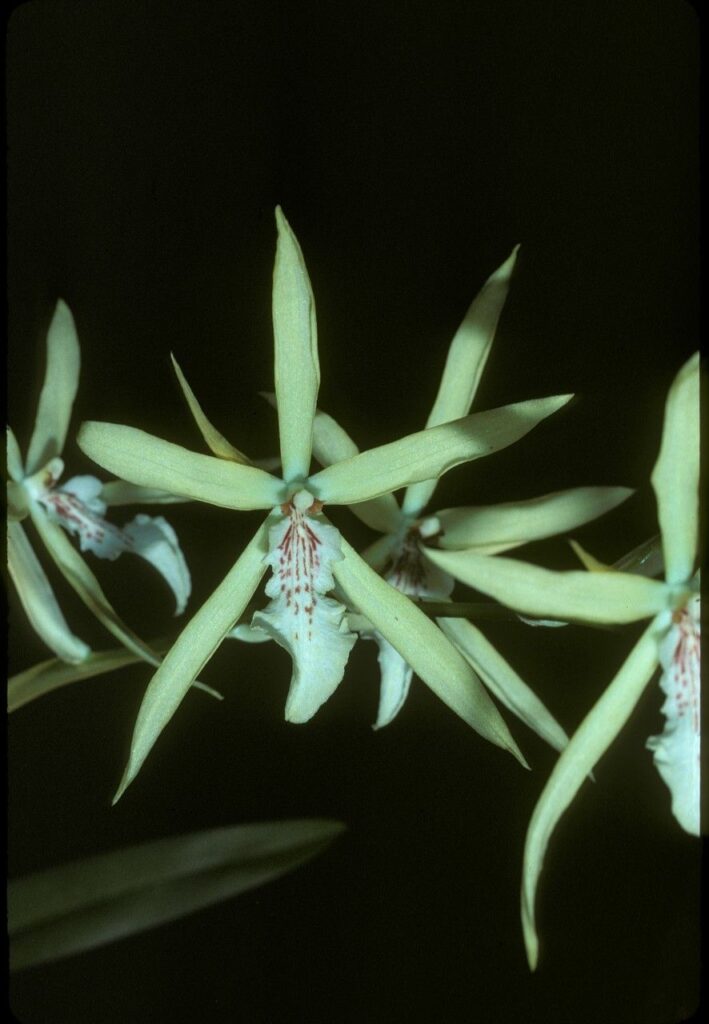
Unlocking the Secrets of Miltonia Flavescens Propagation: A Guide to Multiplying Your Orchid Blooms
Miltonia flavescens, with its sunshine-yellow blooms and delicate fragrance, is a captivating orchid that brightens any space. While caring for this Brazilian beauty is relatively straightforward, many enthusiasts wonder about the best ways to propagate it and enjoy even more of its stunning flowers.
This guide will demystify Miltonia flavescens propagation, offering you practical methods and helpful tips to expand your orchid collection successfully.
Understanding the Basics of Propagation
Before we dive into the specifics, let’s clarify what propagation entails. Simply put, it’s the process of creating new plants from existing ones. For orchids like Miltonia flavescens, this can be achieved through two primary methods: division and back bulbs.
Method 1: Division – The Most Common Approach
Division is the most popular and generally successful method for propagating Miltonia flavescens. It involves separating mature plants into smaller sections, each capable of independent growth.
Here’s how to do it:
-
Timing is Key: The ideal time for division is during spring, just as the plant finishes flowering and new growth emerges.
-
Prepare Your Tools: Gather a sterilized, sharp knife or pruning shears, a pot with drainage holes slightly larger than the intended divisions, and fresh orchid potting mix.
-
Carefully Remove the Plant: Gently remove the Miltonia flavescens from its pot, loosening the roots if necessary.
-
Identify Division Points: Look for natural divisions in the rhizome (the horizontal stem connecting the pseudobulbs). Each division should have at least three healthy pseudobulbs and a healthy root system.
-
Make the Cut: Using your sterilized tool, carefully cut through the rhizome at the identified division point.
- Pot Your Divisions: Plant each division in the prepared pot, ensuring the base of the pseudobulbs sits slightly above the potting mix. Water thoroughly and place in a warm, humid location with indirect light.
Method 2: Back Bulbs – A More Patient Approach
Back bulbs are older pseudobulbs that have lost their leaves but still hold the potential for new growth. Propagating Miltonia flavescens from back bulbs requires more patience, but it offers a rewarding challenge for dedicated enthusiasts.
Here’s how to achieve success:
-
Select Healthy Back Bulbs: Choose plump, firm back bulbs free from any signs of disease or damage.
-
Prepare a Propagation Container: Fill a shallow tray or container with a moisture-retentive medium like sphagnum moss.
-
Placement and Care: Place the back bulbs horizontally on the moss, ensuring the base is in contact with the medium. Maintain high humidity by covering the container with a clear lid or plastic wrap.
-
Patience is Key: It may take several weeks or even months for new growth to emerge from the base of the back bulbs. Ensure consistent moisture and indirect light during this period.
- Potting Up: Once new roots and leaves develop, carefully transplant the back bulb with its new growth into an individual pot with orchid potting mix.
Tips for Successful Propagation
- Sanitation is crucial: Sterilize your tools with rubbing alcohol before and after working with each plant to prevent the spread of diseases.
- Repotting medium matters: Use a well-draining orchid mix specifically formulated for epiphytic orchids like Miltonia flavescens.
- Provide ideal conditions: Ensure bright, indirect light, high humidity (around 60-70%), and temperatures between 65-80°F for optimal growth.
Propagating your Miltonia flavescens can be an enjoyable and fulfilling experience. With patience, care, and these techniques, you can expand your orchid family and enjoy a symphony of vibrant blooms for years to come.