
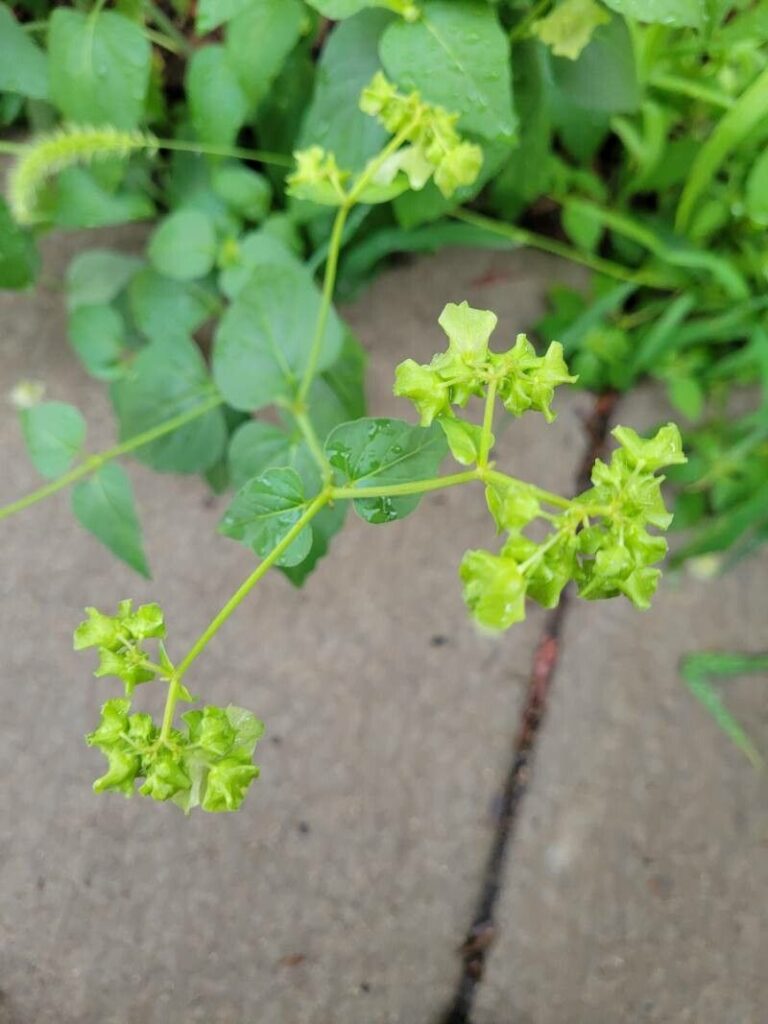
From One Plant to Many: Unlock the Secrets of Propagating Mirabilis gigantea
The Mirabilis gigantea, also known as the Giant Four O’Clock, is a stunning addition to any garden. With its vibrant, trumpet-shaped flowers that bloom in the late afternoon and evening, it offers a spectacle of colour as the day winds down. But what if you could have even more of these beauties? That’s where the magic of plant propagation comes in.
While Mirabilis gigantea can be grown from seeds, propagation through cuttings is a popular and effective method for increasing the number of plants you have, and it’s surprisingly easy!
The Benefits of Cuttings
- Speedier Growth: Cuttings bypass the seedling phase and often grow into mature plants much faster than those started from seed.
- Preserves Desired Traits: Cuttings ensure you’ll end up with plants that are genetically identical to the parent plant, preserving its unique flower colour, size, or any other desirable characteristic.
- Greater Success: Not all seeds germinate successfully, and some may even produce plants that are vastly different from the parent. Cuttings offer a higher success rate and guarantee consistent results.
Taking Your First Cuttings
- Timing is Key: The best time for taking cuttings is during the spring or early summer when the plant is actively growing.
- Selecting the Right Cut: Opt for a healthy, non-flowering stem. Choose a stem that’s about 4-6 inches long and has at least a few sets of leaves.
- Clean Cut: Using a sharp knife or pruning shears, make a clean, angled cut just below a node (the point where a leaf grows from the stem).
Preparing Your Cuttings
- Remove Bottom Leaves: Remove the leaves from the bottom 1-2 inches of the stem. This promotes root growth.
- Dip in Rooting Hormone: This is optional, but dipping the cut ends in rooting hormone can significantly increase your chances of success.
- Environment is Crucial: Place the cuttings in a warm and humid environment. A mini greenhouse or a plastic bag over a small pot will work wonders.
- Suitable Medium: Prepare a pot with a rooting mix like peat moss, vermiculite, or a mixture of both. Ensure good drainage and avoid over-packing the medium.
The Waiting Game
- Consistent Moisture: Keep the rooting medium consistently moist without being soggy.
- Patience is Key: It can take a few weeks, sometimes even a month, for roots to develop. Keep the cuttings in a warm and bright location, but out of direct sunlight.
Transplanting Success
- Signs of Growth: When you see new growth emerging from the top of the cutting, it means roots have formed.
- Ready for the Garden: Gradually acclimate your rooted cuttings to outdoor conditions before transplanting them into a well-prepared bed.
Tips for Success
- Avoid Over-watering: Overwatering is a common mistake that can lead to root rot. Water only when the soil is dry to the touch.
- Light is Important: Provide cuttings with indirect sunlight or grow them under grow lights.
- Experimentation is Key: Try different rooting methods and techniques to find what works best for you and your environment.
Enjoy your Mirabilis Garden
Propagating your Mirabilis gigantea is a rewarding and accessible way to increase the number of plants you have and create a beautiful, vibrant garden. With a little knowledge, patience, and care, you can turn one plant into a whole new generation of these dazzling flowers.