
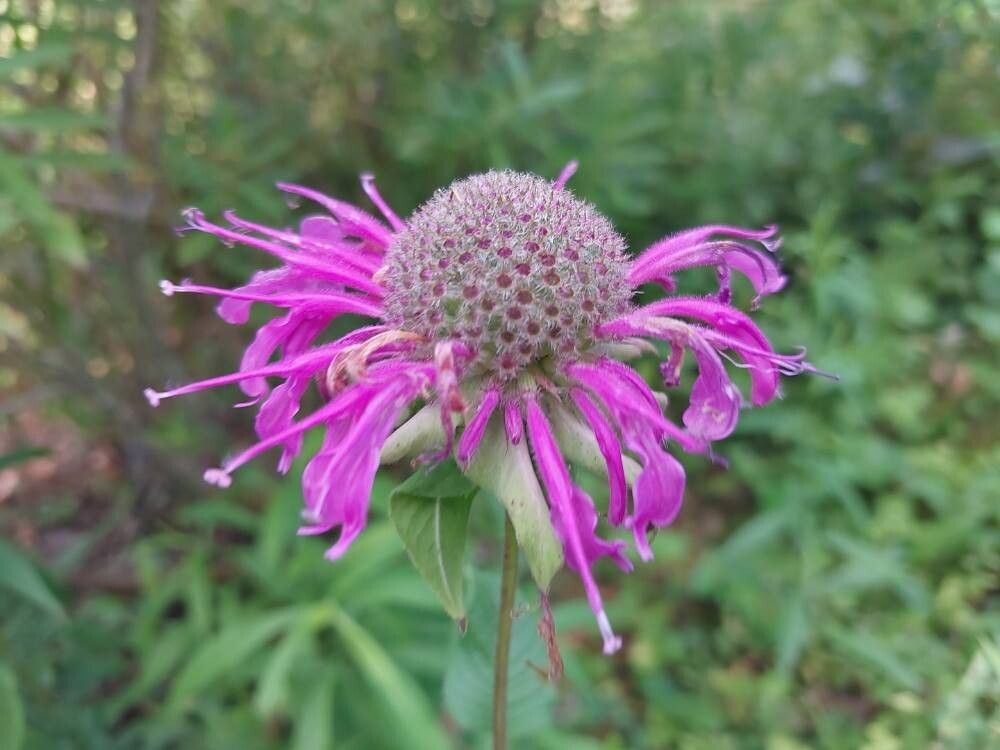
Unlocking the Secret to More Bee Balm: Propagating Monarda Fistulosa
Monarda fistulosa, more affectionately known as wild bergamot or bee balm, is a garden favorite for its vibrant blooms and irresistible fragrance that attracts a flurry of pollinators. But did you know that multiplying this beauty isn’t limited to just buying more plants? Unlocking the secret to more bee balm lies in the rewarding practice of propagation! Let’s explore the different methods you can use to fill your garden with this pollinator powerhouse.
1. Division: Sharing is Caring (and Super Easy!)
Division is the most common and arguably easiest way to propagate Monarda fistulosa. This method involves splitting an existing, mature clump into smaller sections, each capable of growing into a new plant. Here’s how:
- Timing is Key: Early spring or fall, when the plant is dormant or just starting to show new growth, is the ideal time for division.
- Divide and Conquer: Gently dig up the entire clump, ensuring you get as much of the root system as possible. Using a sharp, clean knife or garden spade, divide the clump into sections, each with a good amount of roots and at least a few healthy shoots.
- Replant and Rejoice: Replant your divisions at the same depth they were originally growing, ensuring you space them about 18-24 inches apart. Water them in well and watch them thrive!
2. Cuttings: A Snip in the Right Direction
Propagating bee balm from cuttings is another highly successful method. This involves taking a piece of stem and encouraging it to develop roots, creating a whole new plant. Here’s a step-by-step guide:
- Choose Wisely: In late spring or early summer, select healthy, non-flowering stems for your cuttings. They should be about 4-6 inches long.
- Prepare and Plant: Remove the leaves from the bottom half of the stem. Dip the cut end in rooting hormone (optional but helpful). Plant your cutting in a pot filled with a well-draining potting mix.
- Patience is a Virtue: Keep the soil consistently moist and place the pot in a bright location, but out of direct sunlight. In a few weeks, you should start to see new growth, indicating successful rooting.
3. Seeds: From Tiny Specks to Towering Beauties
While slightly less predictable than division or cuttings, starting Monarda fistulosa from seed can be incredibly rewarding.
- Sowing Time: You can sow seeds directly into your garden after the last frost or start them indoors 6-8 weeks before.
- Light is Life: Bee balm seeds need light to germinate, so lightly press them onto the soil surface, barely covering them.
- Keep it Cozy: A consistent temperature of around 70°F is ideal for germination. Use a heat mat if starting seeds indoors.
- Transplant Time: Once the seedlings have developed a few sets of true leaves and the danger of frost has passed, you can transplant them to your garden.
A Final Note: Patience and Proper Care
No matter which propagation method you choose, remember that patience is key. Provide your new bee balm plants with adequate water, well-draining soil, and at least 6 hours of sunlight each day. With a little time and care, you’ll be rewarded with an abundance of these stunning, pollinator-friendly plants for years to come!