
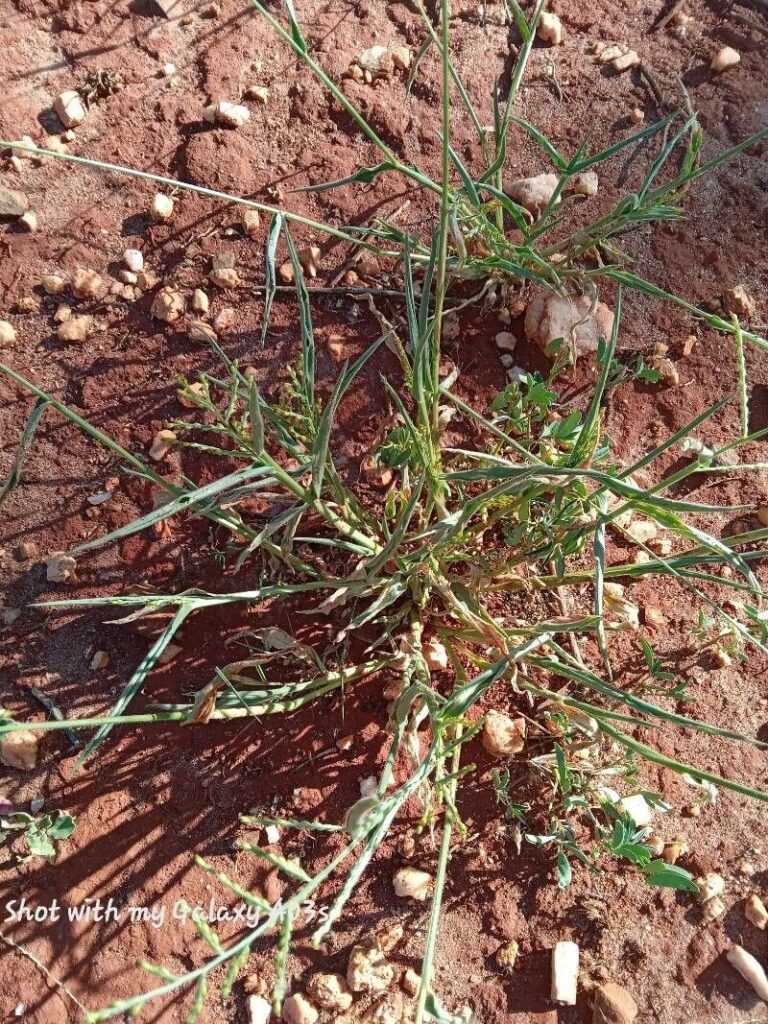
Taming the Blue Tussock: Propagating Moor Grass (Moorochloa eruciformis)
Moor grass (Moorochloa eruciformis), with its charming blue-green foliage and graceful, nodding seed heads, offers a unique textural element to any garden. This clump-forming perennial, native to Europe, Asia and North Africa, thrives in a variety of conditions, making it a surprisingly low-maintenance and rewarding addition to your landscape.
If you’re looking to expand your blue tussock stand or share its beauty with others, propagation is easier than you might think. Let’s explore the two most common methods:
1. Division – The Simplest Approach:
Dividing established moor grass clumps is the most straightforward method, and it’s best done in early spring or fall. Here’s how:
- Prepare: Water the plant thoroughly a day or two before division. Gather your tools: a sharp spade or garden knife, gloves, and a bucket filled with water to prevent the roots from drying out.
- Lift and Divide: Gently insert your spade around the perimeter of the clump and lever it upwards. Depending on the size, you can either divide the plant into smaller sections by hand or slice through the root ball with your spade.
- Replant: Replant the divisions immediately in well-prepared soil, ensuring the crown (where the roots meet the stems) is level with the soil surface. Water thoroughly.
2. Seed – A More Patient Approach:
Propagating moor grass from seed is a longer process but offers a greater sense of accomplishment. Follow these steps for success:
- Seed Collection and Storage: Collect seed heads in late summer or early fall as they turn golden brown. Let them dry thoroughly indoors in a paper bag. Store the seeds in a cool, dry place until spring.
- Sowing Time: Sow moor grass seeds in spring, either directly into the garden or in seed trays.
- Direct Sowing: Sow seeds sparsely in a prepared seedbed, lightly rake them in, and water gently.
- Seed Trays: Fill trays with seed starting mix, sow seeds thinly, and cover lightly with the mix. Water gently and cover with a propagator lid or plastic wrap to retain moisture.
- Transplanting: Transplant seedlings to their final location once they are large enough to handle, typically when they have several sets of true leaves.
Essential Tips for Success:
- Soil and Site: Moor grass thrives in moist, well-drained soil, but it tolerates various soil types, including clay and sandy loam. Choose a sunny to partially shaded location for optimal growth.
- Watering: While established plants are relatively drought tolerant, regular watering, especially during the first year, is important for successful establishment.
- Maintenance: Cut back dead foliage in late winter or early spring before new growth emerges.
- Pests and Diseases: Moor grass is generally pest and disease-free.
Whether you choose division or seed propagation, cultivating Moor grass is a rewarding endeavor. Its striking form, low-maintenance nature, and adaptability make it an outstanding choice for any gardener seeking to add a touch of wild elegance to their landscape.