
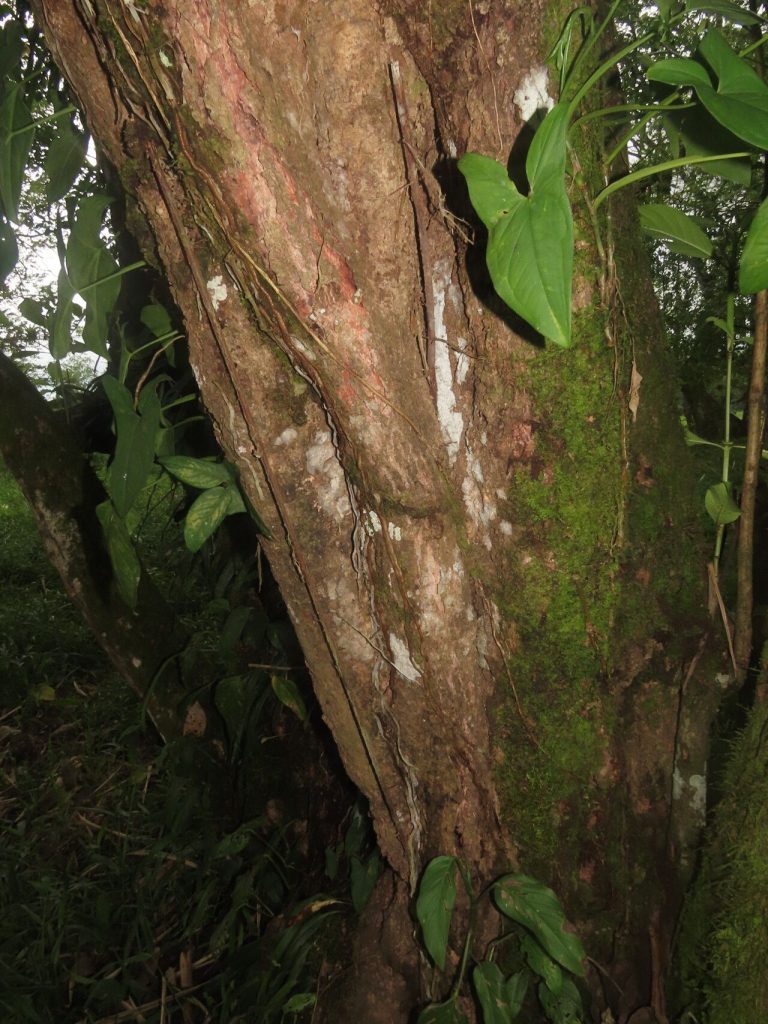
Propagating Morinda panamensis: A Gardener’s Guide
Introduction:
Morinda panamensis, also known as Panama mulberry or noni (though distinct from the more common Morinda citrifolia), is a tropical shrub characterized by its vibrant green foliage and clusters of small, fragrant flowers that give way to intriguing, aggregate fruits. While not as widely cultivated as its more famous relative, M. citrifolia, M. panamensis is gaining popularity among gardeners intrigued by its unique appearance and potential uses. Its propagation, however, presents certain challenges, making successful cultivation a rewarding endeavor. This article explores various propagation methods for Morinda panamensis.
Seed Germination:
Currently, there are no known reliable methods for seed germination propagation of Morinda panamensis. Further research is needed to determine if germination is even feasible under controlled conditions, and if so, to identify the optimal germination requirements.
Cuttings:
Cuttings offer a relatively straightforward method for propagating Morinda panamensis.
Challenges: Success largely depends on using healthy, actively growing stems. The cuttings are susceptible to fungal diseases if humidity and sanitation are not carefully managed. Rooting can be slow.
Practical Tips: Take semi-hardwood cuttings (6-8 inches long) from new growth in spring or early summer. Remove lower leaves, dip the cut ends in rooting hormone, and plant in a well-draining, moist propagation mix (e.g., perlite and peat moss). Maintain high humidity (using a humidity dome or regular misting) and warmth (75-80°F). Regularly check for signs of rot and adjust watering accordingly.
Rewards: Cuttings offer a relatively quick way to generate clones of the mother plant, preserving desirable traits. This method is suitable for small-scale propagation.
Division:
Division is a viable method for propagating Morinda panamensis, especially for established plants with multiple stems.
Challenges: Careful handling of the root system is crucial to avoid damaging the plant. Successful division relies on the plant being healthy and large enough to be divided without stressing each part excessively.
Practical Tips: Divide the plant during its dormant period or early spring. Ensure each division contains sufficient roots and healthy stems. Plant the divisions immediately in well-draining soil and water thoroughly. Protect newly divided plants from harsh sunlight until they re-establish.
Rewards: Division is a simple and effective method for multiplying existing plants, and generally leads to quicker establishment than from cuttings.
Tissue Culture:
Tissue culture offers the potential for large-scale propagation and disease-free plants of Morinda panamensis.
Challenges: Tissue culture requires specialized equipment, sterile conditions, and expertise in plant tissue culture techniques. Establishing a protocol for Morinda panamensis may involve experimentation to determine optimal media composition and growth conditions.
Practical Tips: This method is best left to laboratories or experienced tissue culturists. Research on suitable media, growth regulators, and sterilization techniques is essential before attempting tissue culture.
Rewards: Tissue culture allows for the mass production of genetically identical plants, facilitating large-scale propagation and the conservation of specific desirable traits.
Conclusion:
Propagating Morinda panamensis presents unique challenges, particularly concerning seed germination. While cuttings and division are viable methods for smaller-scale propagation, they require attention to detail and proper sanitation. Tissue culture demonstrates great potential for large-scale production but necessitates specialized knowledge and resources. The rewards of successfully propagating this intriguing plant, however, are undeniable. The satisfaction of nurturing a cutting from a small snippet into a thriving plant, or expertly dividing a mature specimen into several new ones, provides a unique sense of accomplishment. For those willing to invest the time and effort, the journey of propagating Morinda panamensis is undoubtedly rewarding. Don’t be discouraged by initial setbacks; persevere, learn from your mistakes, and celebrate each small victory along the way.