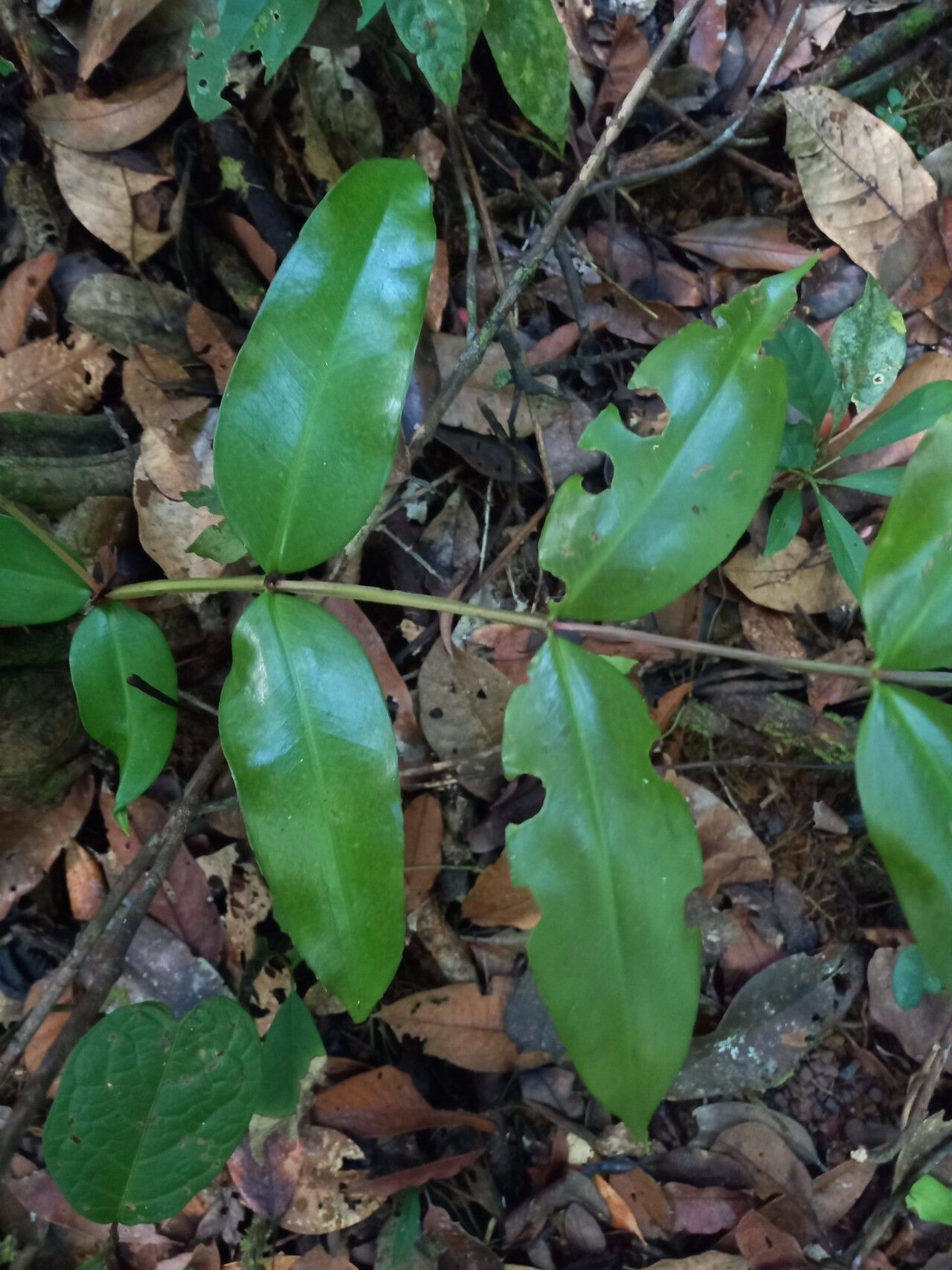
How to Propagate Mouriri francavillana

Propagating the Brazilian Jewel: A Guide to Cultivating Mouriri francavillana

Introduction:

Mouriri francavillana, also known as the Brazilian Jewel or simply Mouriri, is a captivating shrub or small tree prized for its glossy, dark green foliage and striking, vibrant purple-pink flowers followed by edible, purplish-black berries. Its relatively compact size and attractive aesthetics make it a popular choice among gardeners seeking an unusual and rewarding addition to their collections. However, propagation of Mouriri francavillana can present unique challenges, making successful cultivation a particularly satisfying experience. This article explores various propagation methods and their associated difficulties and rewards.

Seed Germination:

Currently, there are no known reliable methods for seed germination propagation of Mouriri francavillana. While seeds may be produced, germination rates are exceptionally low, and successful seedling establishment is rare. Further research is needed to determine if specific pre-treatment techniques, such as scarification or stratification, could improve germination success.

Cuttings:

Cuttings offer a more reliable method of propagation compared to seed germination.

Challenges: Rooting success can be challenging. Hardwood cuttings are generally less successful than softwood or semi-hardwood cuttings taken from actively growing shoots. The use of rooting hormones is highly recommended.

Practical Tips: Take semi-hardwood cuttings in late spring or early summer, ensuring they are 4-6 inches long with several leaves. Remove the lower leaves, dip the cut end in rooting hormone, and plant in a well-draining propagation mix (e.g., perlite and peat moss). Maintain high humidity (using a humidity dome or propagation tray) and consistently moist (but not waterlogged) conditions. Bottom heat can significantly improve rooting.

Rewards: Cuttings offer a faster route to a mature plant compared to seed propagation, maintaining the genetic characteristics of the parent plant. This method is particularly suitable for smaller-scale propagation and establishing plants with desirable traits.

Division:

Division is generally not a viable method for propagating Mouriri francavillana. This species does not readily produce suckers or offsets that can be easily separated and replanted.

Tissue Culture:

Tissue culture offers a potentially high-yield, rapid propagation method, but it also requires specialized equipment, knowledge, and sterile conditions, making it unsuitable for most home gardeners.

Challenges: Establishing aseptic conditions and finding the optimal growth media and hormonal balances are crucial for successful tissue culture propagation. These procedures require specialized training and facilities.

Practical Tips: This method requires a controlled environment with sterile lab techniques and proper growth media tailored to the specific needs of Mouriri francavillana. Research on the optimal growth regulators needed for this species is essential.

Rewards: It’s potentially the only method for larger-scale propagation while preserving genetic uniformity, allowing for the efficient production of numerous plants from a single parent.

Conclusion:

Propagating Mouriri francavillana presents unique challenges. Seed germination is currently impractical, while division is not a viable method. Cuttings offer the most accessible method for the home gardener, however, success depends on careful attention to detail. Tissue culture represents a promising though complicated large-scale solution. The rewards, however, are well worth the effort. Successfully cultivating this beautiful and unusual plant provides a deep sense of satisfaction, acknowledging the dedication and persistence required to overcome the propagation hurdles. For aspiring propagators, we encourage patience, experimentation, and meticulous attention to detail. With persistence, you will be rewarded with the stunning beauty of your own Brazilian Jewel.
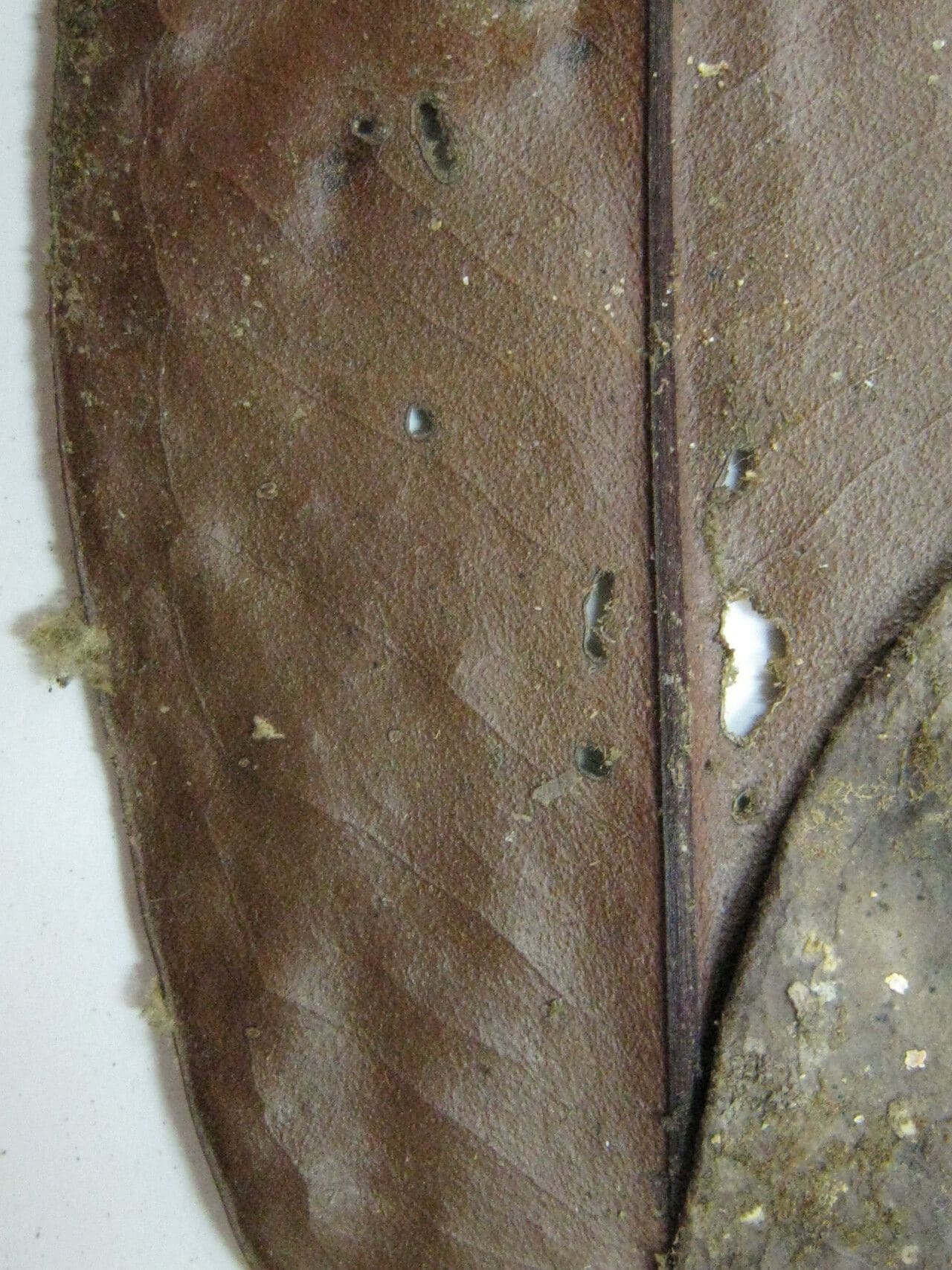
Mouriri francavillana

Unlocking the Secrets of Mouriri francavillana: A Propagation Guide for the Dedicated Gardener

The Mouriri francavillana, a captivating species native to the Cerrado biome of Brazil, boasts uniquely beautiful foliage and vibrant purple berries. While relatively unknown outside of botanical circles, its ornamental and potential culinary value makes it a hidden gem for adventurous gardeners seeking something truly unique. However, cultivating this tropical treasure isn’t for the faint of heart – propagation requires patience, dedication, and an understanding of its specific needs.

This guide delves into the techniques of propagating Mouriri francavillana, empowering both novice and experienced gardeners alike to cultivate this extraordinary plant.

Two Paths to Propagation: Seeds vs. Cuttings

While Mouriri francavillana can be propagated through seeds and cuttings, both methods come with their own set of considerations:

1. Seeds: A Test of Patience and Precision

  • Pros: Starting from seed offers a deeply rewarding experience and a potentially larger yield of plants.
  • Cons: Seed propagation is a lengthy process, requiring several months for germination and years to reach maturity.

Seed Propagation Step-by-Step:

  1. Source: Obtaining viable seeds can be challenging. Connect with botanical gardens, specialist nurseries, or online communities focusing on rare fruit or Cerrado plants.
  2. Extraction and Preparation: Carefully extract seeds from ripe berries. Clean off any pulp and scarify the hard outer coat by gently rubbing it with sandpaper or a file. This process improves water absorption and encourages germination.
  3. Sowing: Sow seeds in a well-draining seed-starting mix, covering them lightly with soil.
  4. Environment: Maintain a consistently warm (75-85°F) and humid environment. A seedling heat mat and humidity dome can be beneficial.
  5. Patience: Germination can take anywhere from a few weeks to several months. Maintain consistent moisture and be prepared for the possibility of low germination rates.

2. Cuttings: A Quicker Path, But Requires Finesse

  • Pros: Cuttings offer a faster path to maturity compared to seeds.
  • Cons: This method requires a healthy mother plant and has a steeper learning curve than seed propagation.

Cutting Propagation Step-by-Step:

  1. Timing: Take cuttings during the active growing season, ideally in spring or early summer.
  2. Selection: Choose healthy, semi-hardwood stems about 4-6 inches long.
  3. Preparation: Remove the lower leaves, leaving 2-3 pairs at the top. Dip the cut end in rooting hormone to encourage root development.
  4. Planting: Plant the cuttings in a well-draining rooting mix, ensuring the leaf nodes are buried.
  5. Environment: Maintain high humidity and warmth (around 75°F) by covering the cuttings with a plastic bag or using a propagation box.
  6. Rooting: Check for root development after a few weeks. Once roots establish, carefully transplant the cuttings into individual pots.

Nurturing Your Mouriri francavillana

Regardless of the chosen propagation method, successful cultivation relies on replicating the plant’s natural environment:

  • Soil: Opt for a well-draining, slightly acidic soil mix.
  • Light: Provide bright, indirect light.
  • Water: Maintain consistent moisture, allowing the soil to dry slightly between waterings. Avoid overwatering.
  • Humidity: This tropical plant thrives in humid environments. Regular misting or using a humidifier can be beneficial.
  • Fertilizer: Feed with a balanced, diluted fertilizer during the growing season.

Propagating Mouriri francavillana is a labor of love, demanding persistence and a willingness to adapt. However, witnessing this botanical curiosity flourish under your care offers an unparalleled sense of accomplishment. So, embrace the challenge, cultivate your green thumb, and add this rare gem to your collection – the rewards are truly unique and well worth the effort.