
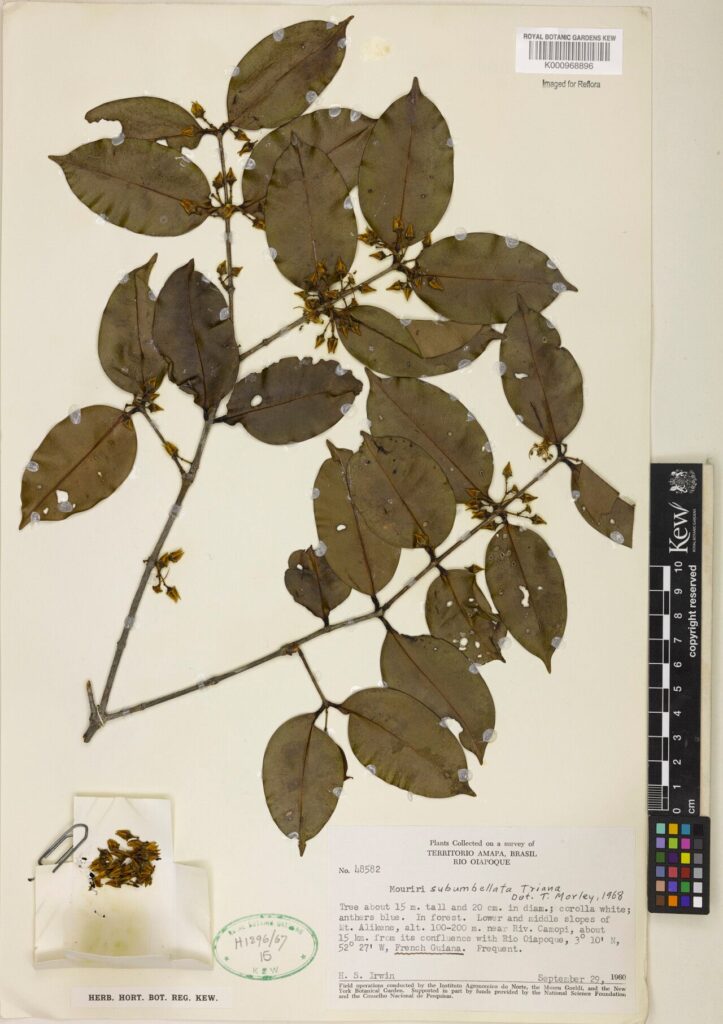
Unlocking the Secrets of the Brazilian Blueberry: Propagating Mouriri Subumbellata
The vibrant purple berries of the Mouriri subumbellata, affectionately nicknamed the “Brazilian blueberry,” are a feast for the eyes and a delight to the palate. Native to the Brazilian Cerrado, this fruit-bearing wonder boasts a unique tartness and a captivating aroma, making it a sought-after delicacy.
But what if you want to enjoy these intriguing fruits beyond their native range? While not as common as garden-variety blueberries, propagating Mouriri subumbellata is definitely achievable with the right knowledge and a touch of dedication.
Understanding the Plant:
Before diving into propagation, it’s crucial to understand this unique plant. Mouriri subumbellata thrives in well-drained, slightly acidic soil and prefers full sun exposure. This slow-growing shrub can reach up to 10 feet tall, producing clusters of small white flowers that develop into the prized purple berries.
While challenging, propagation of this species is possible through two primary methods:
1. Seeds:
- Source: Extract fresh seeds from ripe fruits – look for plump, dark purple berries.
- Preparation: Clean the seeds thoroughly, removing any fruit pulp to prevent fungal growth. Because of their hard seed coat, a process called scarification can increase germination rates. Gently nick or rub the seed coat with sandpaper to improve water absorption.
- Sowing: Sow seeds in a well-draining seed-starting mix, lightly covering them with the medium. Keep consistently moist and provide warmth (around 70-77°F). Be patient, germination can take several weeks to months.
- Challenges: Seed viability can be low, and germination rates are unpredictable. Patience and careful observation are key.
2. Cuttings:
- Timing: Take semi-hardwood cuttings in late spring or early summer.
- Selection: Choose healthy, non-flowering stems and cut segments about 4-6 inches long, making the cut just below a leaf node.
- Preparation: Dip the cut end in rooting hormone to encourage root development. Remove leaves from the bottom third of the cutting.
- Planting: Insert the cuttings into a well-draining rooting medium, such as a mix of perlite and peat moss. Maintain high humidity by covering the cuttings with a plastic bag or using a propagation dome.
- Challenges: Cuttings can be prone to rotting. Maintaining a sterile environment and providing optimal moisture are crucial for success.
Transplanting:
Once seedlings or rooted cuttings have developed a strong root system and several sets of leaves, they can be carefully transplanted into individual pots or directly into the ground in frost-free climates. Choose a location with well-drained soil and ample sunlight.
Patience and Persistence:
Propagating Mouriri subumbellata requires dedication and a lot of patience. While success is not guaranteed, the reward of nurturing this unique plant from seed or cutting to a mature fruit-bearing beauty is incredibly fulfilling.
Beyond the Berry:
While the delicious berries are the main attraction, cultivating Mouriri subumbellata offers more than just a culinary experience. By introducing this rare gem into your garden, you’re participating in the preservation of a unique species while welcoming its ecological benefits – attracting pollinators and enriching biodiversity. And who knows, you might even inspire your fellow gardeners to embrace the exciting world of less-common fruit cultivation!