
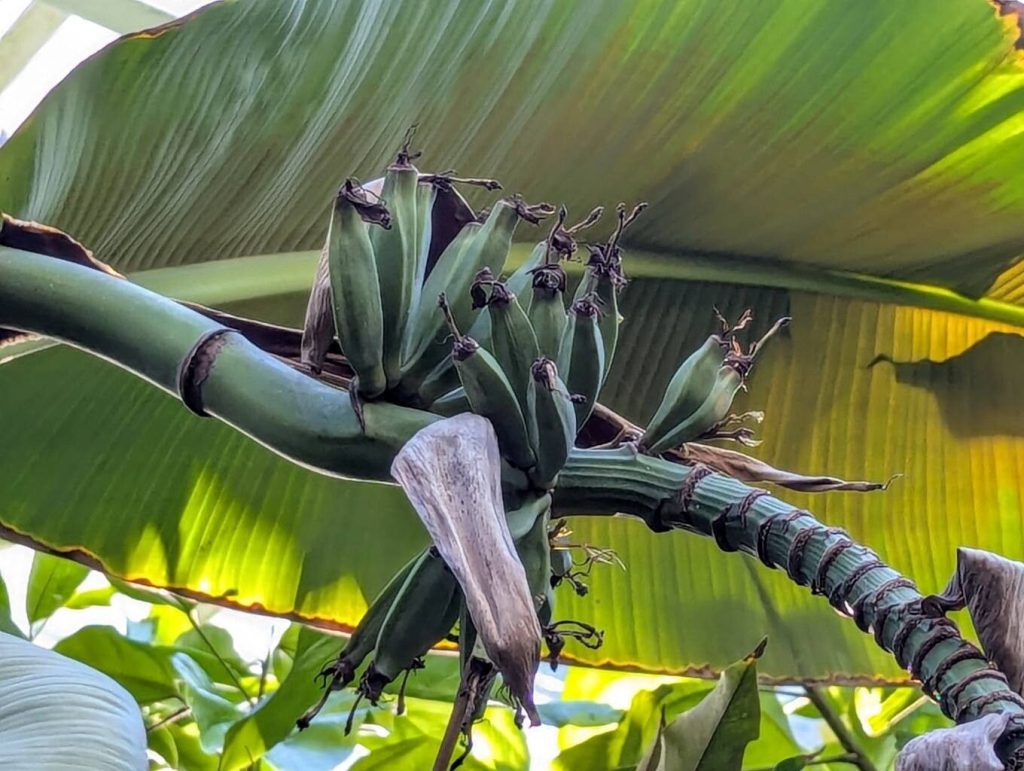
Propagating Musa textilis: The Art of Growing Manila Hemp
Introduction:
Musa textilis, commonly known as Manila hemp, is a fascinating and economically important member of the banana family. Unlike its fruiting relatives, Manila hemp is cultivated primarily for its strong, durable fiber extracted from its leaf sheaths. This fiber, historically crucial for rope and textile production, is experiencing a resurgence in popularity due to its sustainability and unique properties. While not as readily propagated as some other Musa species, its unique horticultural challenges add to the satisfaction of successful cultivation. The propagation of Manila hemp can be achieved through several methods, each with its own set of challenges and rewards.
Seed Germination:
Currently, there are no known reliable methods for seed germination propagation of Musa textilis. Manila hemp is predominantly sterile, rarely producing viable seeds. While some seeds might be produced under specific conditions, germination rates are exceptionally low, making this method impractical for large-scale or even individual propagation.
Cuttings:
Cuttings offer a more reliable method of propagating Musa textilis. This involves separating suckers (offshoots) from the mother plant.
-
Challenges: Successfully rooting cuttings requires careful attention to detail. Selecting healthy suckers with well-developed roots is crucial. Improper handling can lead to the transmission of diseases or failure to root.
-
Practical Tips: Select suckers that are at least 1-2 feet tall and possess their own root system. Use a sharp, sterilized knife or shears to prevent the spread of disease. Plant the suckers directly into well-draining soil or a rooting medium. Maintaining consistent moisture and humidity is vital. The use of rooting hormone can enhance success rates.
-
Rewards: Cuttings offer a relatively simple and quick method of propagation, preserving the genetic characteristics of the parent plant. This technique is suitable for both home gardeners and small-scale growers.
Division:
Division is another viable method, similar to cuttings but usually involving larger, more established offshoots.
-
Challenges: Larger plants can be more difficult to handle and transplant. Damage to the root system during division can hinder establishment.
-
Practical Tips: Carefully dig out the mother plant, separating larger suckers with their own root systems. Ensure that each division has a sufficient root mass. Replant divisions promptly in well-prepared soil.
-
Rewards: Division allows propagation of larger, more mature plants, resulting in quicker establishment and fiber production compared to using smaller suckers.
Tissue Culture:
Tissue culture provides a highly efficient method for large-scale propagation of Musa textilis.
-
Challenges: This method requires specialized equipment, a sterile lab environment, and technical expertise. It is a more costly and complex process compared to other methods.
-
Practical Tips: Tissue culture protocols for Musa textilis are available, but success relies heavily on the expertise of the operator to maintain sterile conditions and optimize nutrient media. Using established protocols adapted to Manila hemp is crucial.
-
Rewards: Tissue culture enables the rapid and large-scale production of disease-free plants, and provides opportunities for genetic improvement through selection and genetic engineering.
Conclusion:
Propagating Musa textilis presents unique challenges across all methods. While seed propagation is not viable, cuttings and division offer accessible techniques for home gardeners, while tissue culture offers large-scale solutions for commercial growers. Each method demands careful attention to detail, particularly regarding sanitation and maintenance of optimal moisture and humidity levels. However, the rewards are considerable: the ability to cultivate this remarkable plant, with its rich history and sustainable potential, offers immense satisfaction. The challenges encountered only serve to amplify the sense of achievement upon successfully propagating this unique fiber-yielding giant. Aspiring propagators should choose the method best suited to their resources and skills, and remember that consistent care and observation are key to unlocking the potential of Manila hemp.