
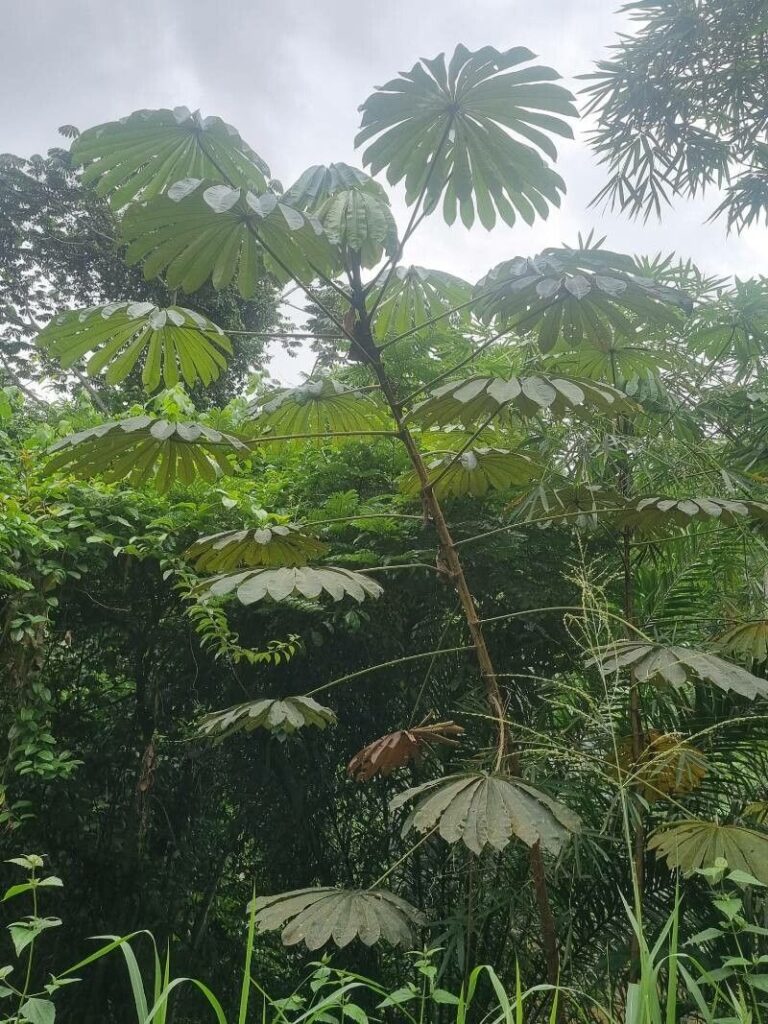
Unlocking the Secrets of the African Corkwood: A Guide to Propagating Musanga cecropioides
The Musanga cecropioides, more commonly known as the African Corkwood or Umbrella Tree, is a striking species native to tropical Africa. With its imposing size, distinctive umbrella-shaped crown, and vibrant green foliage, it’s a spectacular sight in its natural habitat and a show-stopping addition to any collection of tropical plants. While obtaining a mature specimen can be challenging, propagating Musanga cecropioides isn’t as daunting as you might think. This guide will unlock the secrets to successfully cultivating this fascinating tree and introduce you to the intriguing world of plant propagation.
Understanding Propagation Methods
Before delving into specifics, let’s clarify what we mean by propagation. In essence, it’s the process of creating new plants from existing ones. For Musanga cecropioides, we’ll focus on two primary methods:
1. Seed Propagation: This method involves germinating seeds collected from mature trees. While it’s a rewarding experience to nurture a tree from seed, it’s important to note that Musanga cecropioides seeds can be challenging to source and have a relatively short viability period.
2. Cutting Propagation: This technique involves taking cuttings from healthy branches and encouraging them to develop roots. It’s generally considered a more reliable and faster method than seed propagation for Musanga cecropioides.
Seed Propagation: A Step-by-Step Guide
- Sourcing Seeds: Seek out reputable seed suppliers specializing in tropical or rare plants. Ensure the seeds are fresh for optimal germination rates.
- Preparing for Germination: Soak the seeds in lukewarm water for 24 hours to enhance imbibition.
- Sowing the Seeds: Plant the seeds in a well-draining seed-starting mix, lightly covering them with soil.
- Creating a Humid Environment: Cover the seed tray with a clear plastic dome or wrap to maintain humidity.
- Providing Optimal Conditions: Place the tray in a warm, brightly lit location, avoiding direct sunlight.
- Germination Time: Be patient! Germination can take anywhere from a few weeks to several months.
- Transplanting Seedlings: Once the seedlings develop a strong root system and several sets of true leaves, they can be transplanted into individual pots.
Cutting Propagation: A Step-by-Step Guide
- Taking Cuttings: Select healthy, semi-hardwood branches from the current year’s growth. Ideally, cuttings should be around 6-8 inches long and have at least two nodes.
- Preparing the Cuttings: Remove the leaves from the lower portion of the cutting, leaving a few at the top.
- Using Rooting Hormone (Optional): Dipping the cut end in rooting hormone can encourage faster root development.
- Planting the Cuttings: Insert the cuttings into a well-draining rooting medium, burying at least one node.
- Maintaining Humidity: Cover the pot with a clear plastic bag or use a humidity dome to create a greenhouse-like environment.
- Providing Indirect Light: Place the pot in a brightly lit location, avoiding direct sunlight.
- Rooting Time: Cuttings should develop roots in approximately 4-6 weeks.
- Transplanting: Once roots are established, transplant the rooted cuttings into individual pots.
Patience and Persistence are Key
Propagating Musanga cecropioides, whether by seed or cutting, requires patience and observation. Consistent moisture, warmth, and indirect light are crucial for success. Don’t be discouraged if your first attempts don’t yield immediate results; keep experimenting and adjusting your techniques. The reward of watching your very own African Corkwood flourish will be well worth the effort!