
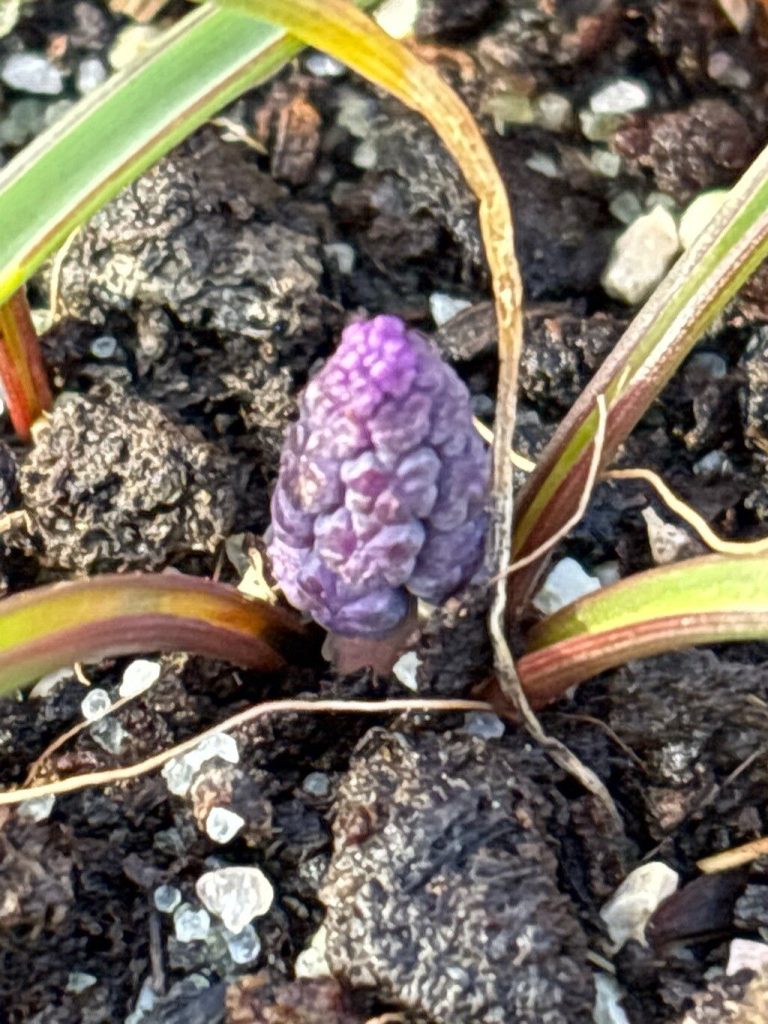
Propagating the Atlantic Grape Hyacinth (Muscari atlanticum): A Gardener’s Guide
Introduction:
Muscari atlanticum, commonly known as the Atlantic grape hyacinth, is a captivating bulbous perennial prized for its charming, densely packed, blue-purple (occasionally white) flowers that resemble tiny bunches of grapes. Native to the Mediterranean region, it boasts exceptional hardiness and adaptability, making it a popular choice among gardeners. Its compact size and vibrant blooms make it ideal for rock gardens, borders, or even container gardening. However, while relatively easy to grow from bulbs, propagating Muscari atlanticum can present unique challenges depending on the chosen method.
Seed Germination:
Currently, there are no known reliable methods for seed germination propagation of Muscari atlanticum. While the plant does produce seeds, germination rates are notoriously low and inconsistent, making this method impractical for most gardeners. Further research is needed to determine optimal conditions for successful seed germination in this species.
Cuttings:
Cuttings are not a viable method for propagating Muscari atlanticum. This species, like other members of the Muscari genus, does not readily propagate from stem or leaf cuttings.
Division:
Division is the most effective and reliable method of propagating Muscari atlanticum. This involves carefully separating the mature bulb clumps into individual bulbs or smaller clusters during dormancy (typically late summer or early fall).
Challenges: The main challenge is ensuring that each division retains sufficient roots and foliage to establish successfully. Damaging the bulbs during separation can lead to rot or failure to thrive.
Practical Tips: Use a sharp, clean knife or trowel to carefully separate the bulbs. Handle them gently and avoid excessive damage. Plant the divisions immediately in well-drained soil, ensuring they are planted at the correct depth (approximately twice their height). Water gently after planting.
Rewards: Division offers a relatively fast and straightforward method of producing numerous new plants, preserving the desirable characteristics of the parent plant. It’s ideal for increasing the number of plants within a garden.
Tissue Culture:
Tissue culture offers a potential, albeit specialized, method for propagating Muscari atlanticum. This laboratory-based technique involves growing plants from small pieces of plant tissue in a sterile, nutrient-rich medium.
Challenges: Tissue culture requires specialized equipment, aseptic techniques, and expertise. It’s a more complex and expensive method than division, unsuitable for the average home gardener.
Practical Tips: This method is best left to specialist nurseries or research institutions with the necessary resources and experience.
Rewards: Tissue culture allows for rapid and large-scale propagation, offering the potential for disease-free plants and the preservation of rare or endangered cultivars.
Conclusion:
Propagating Muscari atlanticum presents a fascinating challenge for gardeners. While seed germination and cuttings are currently impractical, division provides a reliable and relatively straightforward method for home cultivators to multiply their stock. Tissue culture offers a powerful option for large-scale propagation, but its complexity demands specialized skills and resources. The effort invested in successfully propagating these beautiful plants, however, is handsomely rewarded with the satisfaction of nurturing these charming bulbs from a small division into vibrant displays, a testament to patience, careful technique, and a deep appreciation for the natural world. For the home gardener, mastering the art of division is the most accessible and satisfying path to expanding your Atlantic grape hyacinth collection.