
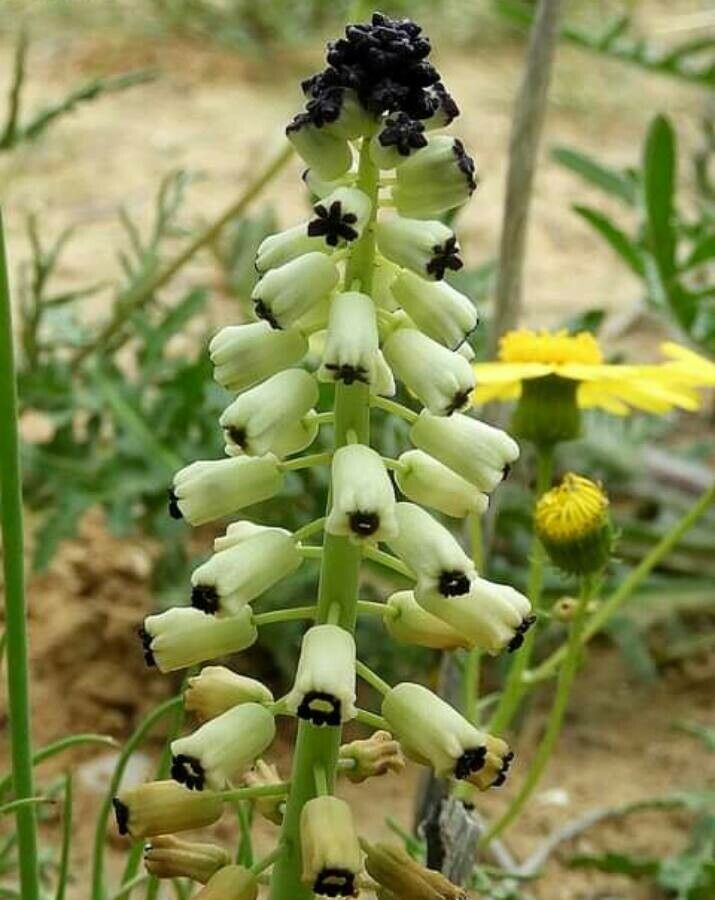
“Ivory Delight”: Propagating Your Muscari eburneum
Ah, the Muscari eburneum, with its delicate ivory blooms and cheerful spring presence. This charming bulb, commonly known as the “Ivory Grape Hyacinth,” adds a touch of elegance to any garden. But did you know that you can easily share this beauty by propagating more plants through a few simple methods?
The Magic of Bulb Division
The most common and effective method of propagating Muscari eburneum is through bulb division. This technique works best during the dormant period, typically after the foliage has died back, usually in late summer or early fall. Follow these steps:
- Dig Up and Separate: Carefully excavate the clumps of bulbs from the soil. Use a garden fork to gently loosen the soil around the clump.
- Divide and Conquer: Once the clump is removed, gently separate individual bulbs. You can use your hands or a sharp knife to carefully divide the clump into smaller sections. Each section should contain at least a few bulbs.
- Replant the New Colonies: Plant the divided bulbs in fresh, well-drained soil, ensuring they are spaced about 3-4 inches apart. Water the newly planted bulbs thoroughly.
An Alternative Option: Seed Propagation
While less common, you can also propagate Muscari eburneum from seed. This method requires a bit more patience, but it offers the opportunity to cultivate a larger number of plants over time.
- Collect the Seeds: After the flowers fade, allow the seed pods to ripen until they turn brown and dry. Carefully collect the seeds from the pods.
- Preparation and Sowing: Sow the seeds in a well-draining seed tray filled with a seed-starting mix. Lightly cover the seeds with soil and water them gently.
- Patience is Key: Keep the seed tray in a cool, shaded place and maintain consistent moisture. Germination can take several weeks, and the new seedlings will need a couple of years before they are ready to bloom.
Caring for Your New Plants
Muscari eburneum is a relatively low-maintenance plant. Here are some general care tips for your propagated plants:
- Sunlight: These bulbs thrive in partial shade to full sun.
- Soil: Well-drained soil is essential. Amend the soil with compost if necessary.
- Watering: Water regularly, especially during dry spells.
- Fertilizer: A light application of balanced fertilizer in spring before the bloom period is beneficial.
A Bit of History
The Muscari eburneum, native to Turkey and the Caucasus, adds a touch of elegance with its unique creamy-white blooms. Their distinctive scent attracts pollinators, making them a welcome addition to any garden.
Propagation: A Joyful, Rewarding Experience
By propagating Muscari eburneum, you unlock a world of possibilities. You can easily share these charming plants with friends, expand your garden’s diversity, and witness the joy of seeing them bloom season after season. So, grab your gardening tools and embark on a journey of propagation, transforming your garden into an even more beautiful and inspiring haven.