
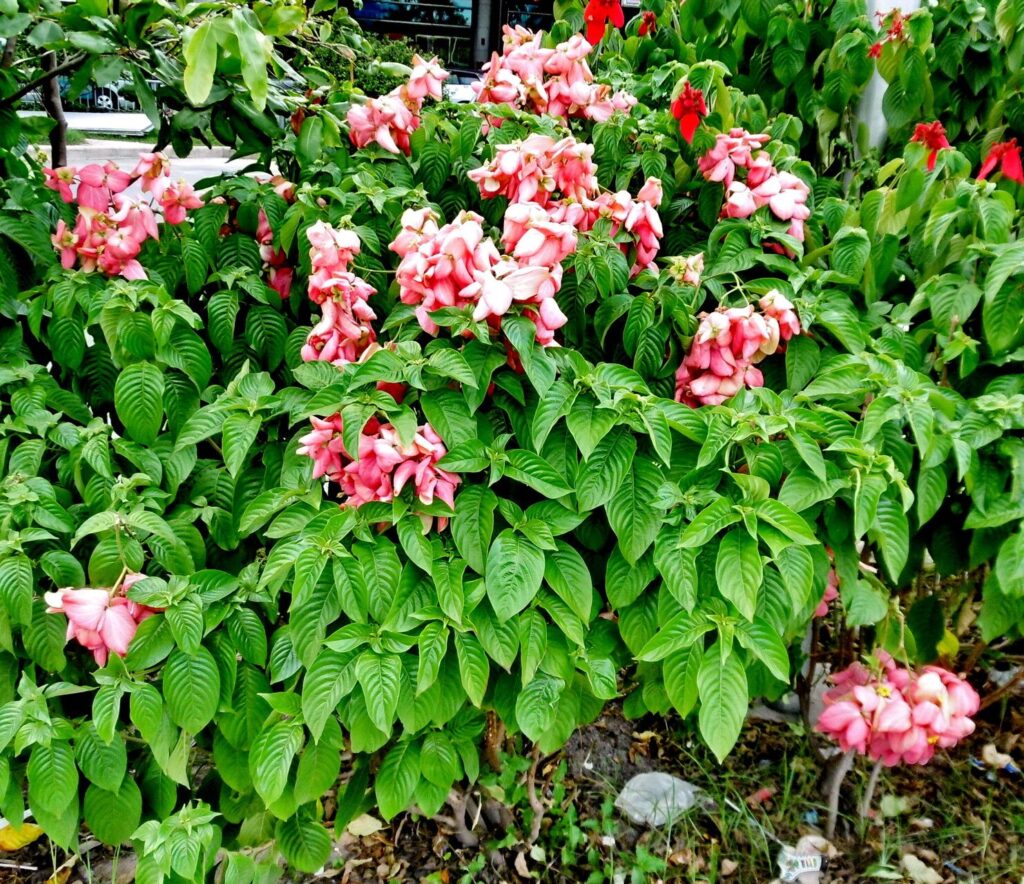
Unlock the Secrets of Mussaenda philippica Propagation: A Beginner’s Guide
The Mussaenda philippica, also known as the “Tropical Dogwood,” is a stunning tropical shrub celebrated for its vibrant, showy bracts (modified leaves) that resemble delicate flowers. These lush, colourful bracts, often in shades of white, pink, yellow, or red, add a vibrant splash to any landscape. But what if you could expand your own garden paradise by propagating your existing Mussaenda philippica?
This blog post aims to demystify the process of Mussaenda philippica propagation, offering a practical guide for both seasoned gardeners and beginners yearning to grow these remarkable plants.
Understanding the Basics
Propagation of Mussaenda philippica involves taking cuttings from the parent plant, which will eventually develop into independent plants. The principle is simple: the cuttings, provided with the right conditions, will develop roots and eventually produce new growth, creating a clone of the original plant.
Methods of Propagation
There are two primary methods of propagating Mussaenda philippica:
- Stem Cuttings: This popular method uses sections of healthy stems with at least two nodes (points where leaves grow). It’s best to use non-flowering stems.
- Air Layering: This slightly more complex method involves creating wounds on a stem and encouraging root development directly on the branch while it’s still attached to the parent plant.
Step-by-Step Guide to Stem Cutting Propagation
- Choose the right time: Take cuttings during the spring or early summer when the plant is actively growing.
- Select healthy stems: Choose young, non-flowering stems with two or three nodes, making a clean cut with sharp pruning shears just below a node. Remove any leaves below the bottom node.
- Prepare your cuttings: Dip the cut end of the stem in rooting hormone powder, which encourages root growth. This is an optional step, however, as root development can be successful without it.
- Plant your cuttings: Insert the cuttings into a potting mixture of equal parts peat moss, perlite, and vermiculite. Place in a warm, humid environment indoors or in a propagation tray.
- Care for your cuttings: Maintain moisture levels, and protect them from direct sunlight. You can cover your propagation area with a plastic dome or bag to maintain humidity and warmth.
- Watch for growth: It may take several weeks for roots to form. After several weeks, you can gently pull the cuttings out of the soil to check for root development.
- Transfer to larger pots: When the cuttings develop a good root system, carefully pot them into individual containers with well-draining potting medium.
Tips for Success
- Select the right cutting: Choose a healthy, vigorous stem that is not flowering.
- Use clean equipment: Sterilize your tools before and after use to prevent the spread of disease.
- Maintain consistent humidity: A well-maintained humid environment is critical for root development.
- Provide adequate light: Avoid direct sunlight, but make sure your cuttings have access to bright, indirect light.
- Be patient! Root development can take several weeks, so don’t rush the process.
Enjoy the Rewards of Propagation
Propagating your own Mussaenda philippica is a rewarding journey. You can create new plants and add a vibrant splash of color to your landscape or share your joy with friends and family. With a little patience and care, you’ll be able to enjoy the beauty of these tropical wonders in your own garden for years to come!