
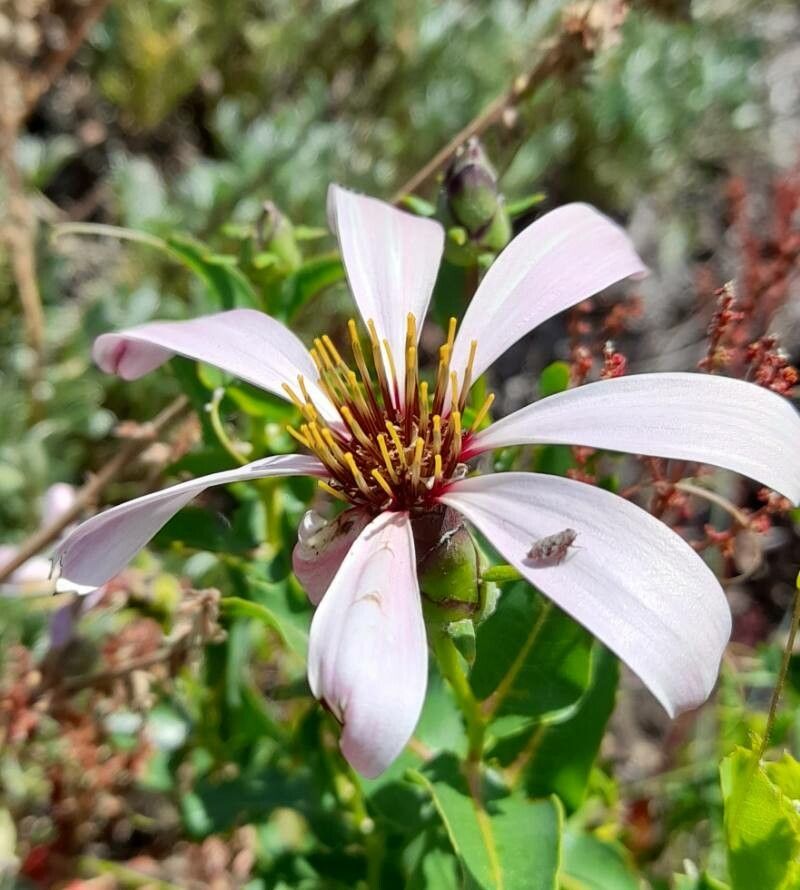
Propagating Mutisia spinosa: The Chilean Spider Flower
Introduction:
Mutisia spinosa, commonly known as the Chilean Spider Flower, is a captivating climbing shrub native to the Andes mountains of Chile and Argentina. Its striking, vibrant orange-red flowers, reminiscent of long, spidery tendrils, make it a highly sought-after addition to gardens with suitable climates. The plant’s vigorous growth habit and ability to cling to structures or other vegetation makes it a unique and eye-catching climber. However, its propagation presents several unique challenges. While relatively uncommon in cultivation outside its native range, its beauty inspires gardeners to attempt propagation, leading to a rewarding, yet sometimes frustrating, experience.
Seed Germination:
Currently, there are no known reliable methods for seed germination propagation of Mutisia spinosa. While seeds may be produced, their germination rate is notoriously low, and success has not been consistently documented in horticultural literature. Further research is needed to identify optimal conditions for germination, if such conditions even exist.
Cuttings:
Cuttings offer a more promising approach to propagating Mutisia spinosa. However, success is dependent on careful technique and suitable environmental conditions.
Challenges: Mutisia spinosa cuttings can be slow to root, and a high percentage of cuttings may fail. The best success rates are achieved with semi-hardwood cuttings taken in late summer or early autumn.
Practical Tips: Use a sharp knife or scalpel to take cuttings of about 10-15cm in length, ensuring a clean cut below a node. Remove lower leaves, dipping the cut end in rooting hormone before planting in a well-draining, moist propagating mix (e.g., a mix of perlite and peat). Maintaining high humidity (using a propagator or plastic bag) and a consistent temperature around 20-25°C is crucial for successful rooting. Bottom heat can also significantly improve success rates.
Rewards: Successful propagation from cuttings offers a faster route to a mature plant compared to other methods, and it ensures that the desirable characteristics of the mother plant are preserved.
Division:
Division is not a practical method for propagating Mutisia spinosa. Its deep root system and the fragility of its extensive root structure makes carefully separating the plant into viable sections extremely difficult and risky. The success rate is exceptionally low.
Tissue Culture:
Tissue culture is a potentially viable, yet complex, method for propagating Mutisia spinosa.
Challenges: Establishing aseptic conditions and finding the appropriate plant growth regulators (PGRs) to induce shoot multiplication and rooting are considerable challenges. This requires specialized equipment and a significant level of technical expertise.
Practical Tips: This process requires a controlled laboratory environment and should only be attempted by experienced tissue culturists. Protocols would need to be developed specifically for Mutisia spinosa, focusing on explant selection, sterilization, and the identification of appropriate PGRs.
Rewards: Tissue culture provides an opportunity for large-scale propagation and the production of disease-free plants. It offers the best potential for preserving and multiplying rare or desirable cultivars.
Conclusion:
Propagating Mutisia spinosa presents significant challenges across all methods. While seed germination is currently unreliable, cuttings provide a more accessible route, although success demands patience and attention to detail. Division is impractical, and tissue culture, although potentially most efficient for large-scale production, requires advanced techniques and resources. The rewards, however, are significant: the joy of cultivating this unique and beautiful plant, and the satisfaction of overcoming the challenges involved. Despite the difficulties, the unique beauty and reward associated with a successfully propagated Chilean Spider Flower makes the effort worthwhile for dedicated gardeners. Patience, meticulous attention to detail, and a willingness to experiment are essential for those seeking to add this stunning climber to their collections.