
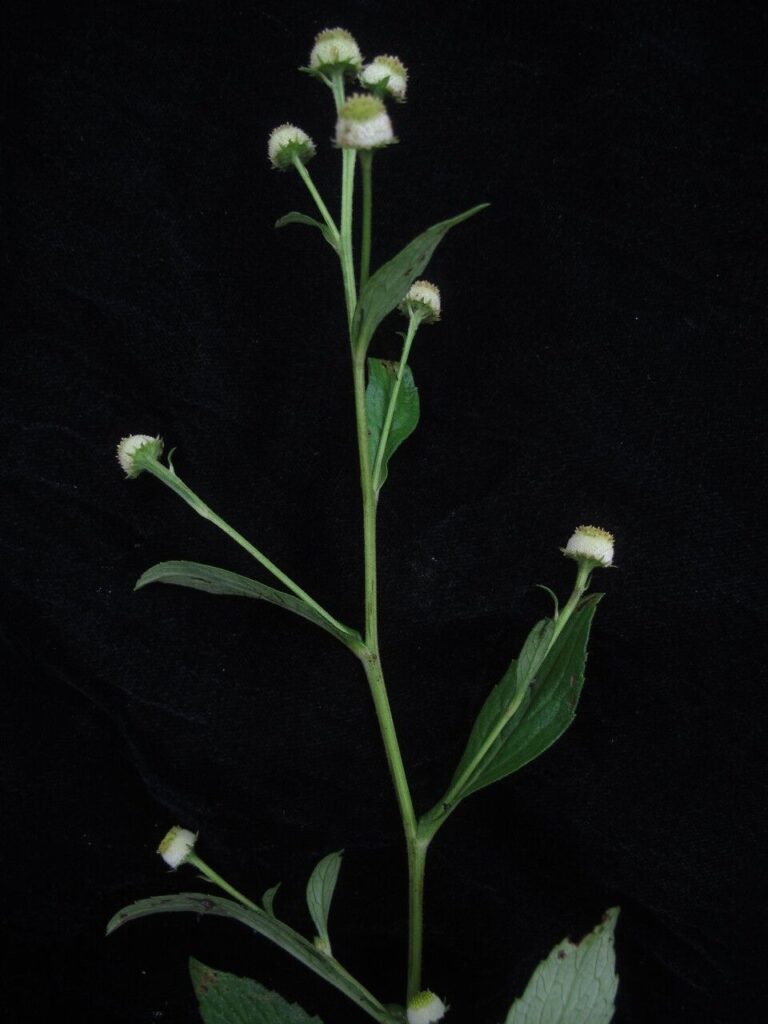
Bringing New Life to the Himalayan Jewel: Propagating Myriactis nepalensis
The Myriactis nepalensis, with its delicate, starry white flowers and feathery foliage, is a captivating addition to any garden. Native to the Himalayas, this hardy plant enjoys cool, moist conditions and thrives in a variety of light levels. But what if you want to share this beauty or simply grow more of it? That’s where propagation comes in!
While Myriactis nepalensis is typically propagated by seed, you can also try two other techniques: division and cuttings. Let’s dive into each method and explore the best practices for success:
1. Propagation from Seed:
- Time is Key: The ideal time to sow Myriactis nepalensis seeds is in the spring or early summer. This allows the seedlings ample time to establish themselves before the cold weather arrives.
- Sowing Strategy: Use a seed tray or seed pot filled with a well-draining seed starting mix. Sprinkle the seeds on the surface, lightly cover them with compost, and gently mist the soil. Keep the medium consistently moist, but not waterlogged.
- Germination Conditions: Place the seed tray in a bright spot but avoid direct sunlight. Myriactis nepalensis seeds need a cool temperature, around 15-20°C (59-68°F), to germinate. A propagator or a clear plastic bag can help maintain these conditions.
- Thinning and Transplanting: Once seedlings emerge, thin them out to give the strongest ones space to grow. When the seedlings reach a reasonable size (a few inches tall), you can carefully transplant them into individual pots.
2. Division:
- The Right Time: Dividing Myriactis nepalensis plants is best done in spring, just as new growth is emerging.
- Preparing for Division: Gently dig around the plant to loosen the roots. Use a sharp knife or spade to carefully separate the plant into smaller clumps, each with its own roots and foliage.
- Planting the Divisions: Prepare your chosen planting spot by loosening the soil and incorporating some compost. Plant the divisions at the same depth as they were originally growing, spacing them according to the plant’s mature size. Water well after planting.
3. Cuttings:
- Choosing the Right Cuttings: In late spring or early summer, take softwood cuttings from the new growth. This means selecting healthy, non-flowering stems that are still somewhat pliable. Cuttings should be about 4-6 inches long.
- Preparing the Cuttings: Remove any leaves from the bottom inch or two of the cutting. Dip the base of the cutting in rooting hormone to encourage root development.
- Planting the Cuttings: Use a seed tray or small pots filled with a well-draining potting mix. Dip the cut ends of the cuttings into a rooting hormone solution. Lightly tap the soil to secure the cuttings.
- Maintaining Moisture: Keep the soil consistently moist and protect the cuttings from direct sunlight. A clear plastic dome or bag can help maintain humidity and aid in root development.
No matter which method you choose, remember that patience is key. Propagation takes time, and it’s important to allow the new plants to establish themselves before exposing them to harsh conditions. With consistent care and attention, you’ll be enjoying the beauty of your newly propagated Myriactis nepalensis plants in no time!
Bonus Tip: To encourage flowering in your Myriactis nepalensis, ensure it receives at least 4-6 hours of dappled sunlight each day. With even, well-drained soil and consistent moisture, this Himalayan gem will reward you with its delicate beauty for years to come!