
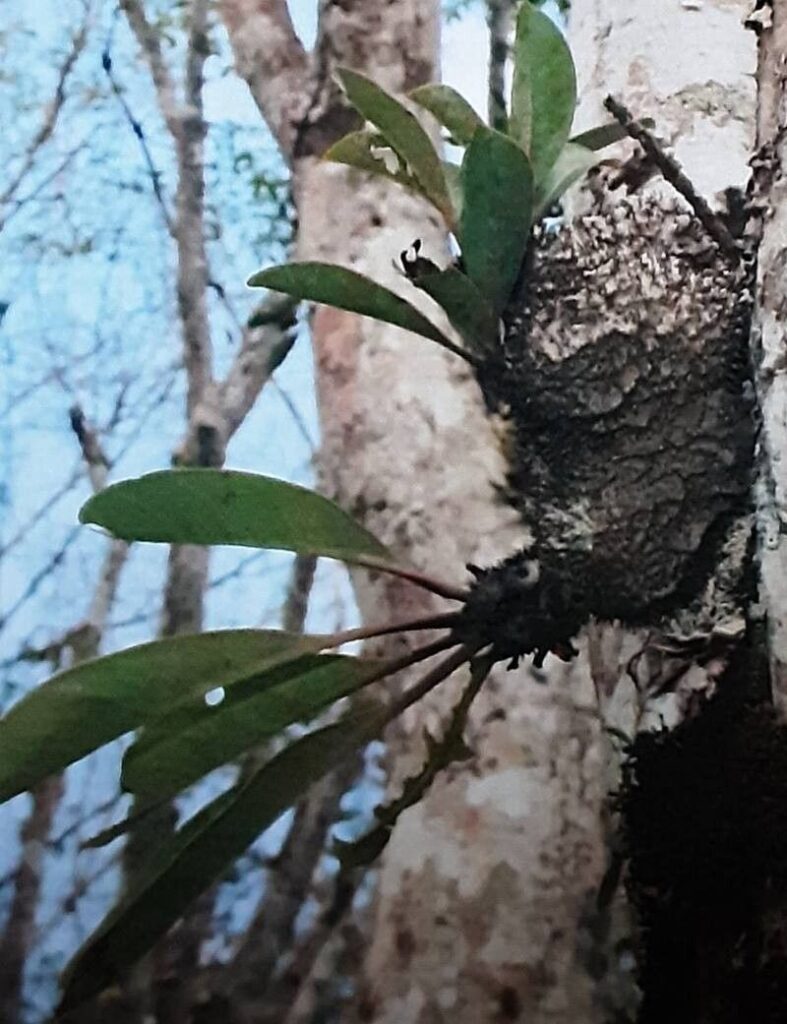
Propagating Myrmecodia platytyrea: A Gardener’s Challenge
Myrmecodia platytyrea, also known as the Ant Plant or more specifically, the Flattened Ant Plant, is a captivating epiphyte belonging to the Rubiaeae family. Its unique swollen stem, or caudex, riddled with chambers that house ants, is its defining characteristic and a source of much fascination for gardeners. This symbiotic relationship contributes to the plant’s overall health and unique aesthetic appeal, making it a highly sought-after collectible among enthusiasts. However, propagating this fascinating plant presents several challenges.
Seed Germination:
Currently, there are no known reliable methods for seed germination propagation of Myrmecodia platytyrea. The seeds are notoriously difficult to obtain, and even when acquired, their viability is extremely low. Further research into specific germination requirements, including potential stratification techniques or symbiotic fungal relationships, is needed.
Cuttings:
Cuttings are also largely unsuccessful for Myrmecodia platytyrea propagation. The plant’s physiology doesn’t lend itself easily to vegetative propagation from stem or leaf cuttings. Attempts have rarely yielded successful rooting, likely due to a combination of factors including susceptibility to rot and the difficulty in replicating the specific humidity and environmental conditions necessary for successful root development.
Division:
Division offers the most viable, though still challenging path, to propagating Myrmecodia platytyrea. Mature, well-established plants can sometimes be carefully divided into smaller sections, each containing a portion of the caudex and root system.
- Challenges: The delicate nature of the caudex demands precision. Incorrect division can easily damage the plant, leading to rotting and eventual failure. Each division must possess a healthy portion of roots and caudex capable of supporting independent growth.
- Tips: Sterilize your cutting tools before and after division to prevent disease transmission. Use a sharp, clean blade to avoid crushing the tissues. Treat any cut surfaces with a fungicide to prevent rot. Plant the divisions carefully into a well-draining, airy substrate, such as a mixture of orchid bark, perlite, and sphagnum moss, maintaining high humidity.
- Rewards: Division offers the most reliable method for increasing the number of plants. However, it’s limited by the availability of mature plants.
Tissue Culture:
Tissue culture presents a potentially promising avenue for Myrmecodia platytyrea propagation, offering the possibility of large-scale production and genetic uniformity. However, this requires specialized skills, equipment, and a thorough understanding of plant tissue culture techniques.
- Challenges: Establishing a successful protocol for tissue culture requires extensive experimentation to determine optimum media composition, growth hormones, and sterile conditions. This is a time-consuming process requiring considerable expertise.
- Tips: Consult with experienced tissue culture specialists and establish a clean and sterile working environment. Using appropriate media and growth regulators will prove essential.
- Rewards: Successful establishment of a tissue culture protocol would enable production of a larger number of plants consistent in size and characteristics.
Conclusion:
Propagating Myrmecodia platytyrea is undeniably challenging. While seed germination is currently unreliable, and cuttings largely unsuccessful, division presents the most practical method, albeit with a high risk of failure. Tissue culture possesses huge potential but requires significant expertise. The rewards, however, are well worth the effort for dedicated plant enthusiasts. The unique satisfaction of cultivating this intriguing ant plant, overcoming the difficulties and nurturing it from a small division to a thriving specimen, is a highly rewarding experience. For aspiring propagators, remember patience, meticulous attention to detail, and a willingness to learn from failures are essential ingredients for success. Don’t be discouraged by setbacks – each attempt brings you closer to mastering the art of cultivating this fascinating plant.