
Propagating Myrrhis odorata: Sweet Cicely’s Secrets to Success
Introduction:
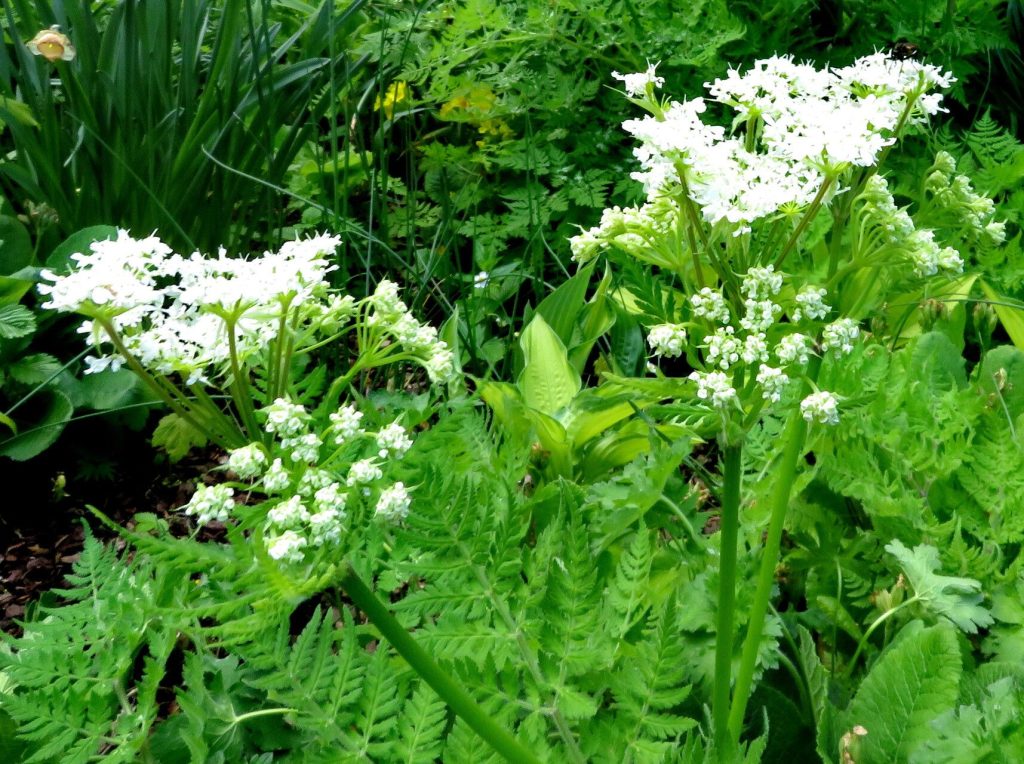
Myrrhis odorata, commonly known as Sweet Cicely, is a charming herbaceous perennial prized for its anise-scented foliage and delicate umbels of white flowers. Its delicate beauty and culinary uses, from flavouring desserts to adding a unique touch to salads, have made it a favourite among gardeners. However, propagating Sweet Cicely can present unique challenges. Unlike some readily propagated plants, its propagation is not always straightforward, making successful cultivation all the more rewarding.
Seed Germination:
Seed germination is a viable, albeit challenging, method for propagating Myrrhis odorata. The primary challenge is the relatively low germination rate and the need for specific conditions to mimic its natural environment.
Challenges: Sweet Cicely seeds often exhibit dormancy, requiring stratification (a period of cold, moist storage) to break this dormancy and initiate germination. Seeds also need consistently moist but well-drained soil to avoid rotting.
Practical Tips: Sow seeds outdoors in autumn in a prepared seedbed, incorporating compost to improve drainage and soil structure. Alternatively, stratification can be achieved artificially by mixing seeds with moist peat moss or vermiculite and storing them in a refrigerator at around 4°C (39°F) for 6-8 weeks before sowing. Ensure the sowing medium remains consistently moist but not waterlogged. Thin seedlings to appropriate spacing once they have established themselves.
Rewards: Successfully germinating Sweet Cicely from seed offers the opportunity to cultivate a diverse genetic pool and a substantial number of plants, ideal for large-scale propagation or sharing with fellow gardeners.
Cuttings:
Currently, there are no known reliable methods for propagating Myrrhis odorata from cuttings. Softwood, semi-hardwood, and hardwood cuttings have shown inconsistent results, with low success rates. Further research is required to determine optimal conditions for successful propagation by cuttings.
Division:
Division is a relatively straightforward and successful method for propagating Sweet Cicely.
Challenges: This method requires established plants with well-developed root systems. Care must be taken during division to avoid damaging the roots.
Practical Tips: Divide clumps of Sweet Cicely in spring or autumn. Use a sharp spade or knife to carefully separate the plant into individual crowns, ensuring each division has sufficient roots and foliage. Replant the divisions immediately in well-prepared soil and water thoroughly.
Rewards: Division is a quick and efficient method, producing a near-guaranteed increase in plant numbers, preserving the existing genetic characteristics of the mother plant.
Tissue Culture:
Tissue culture propagation of Myrrhis odorata is not widely practiced amongst home gardeners. It requires specialized laboratory equipment, sterile conditions, and expertise in plant tissue culture techniques. While this method offers the potential for rapid and large-scale propagation, it generally falls outside the scope of amateur cultivation.
Conclusion:
Propagating Sweet Cicely presents a spectrum of challenges and rewards. Seed germination offers high potential for genetic diversity but demands patience and precise conditions. Division offers simplicity and success but necessitates established plants. Cuttings and tissue culture remain less reliable options accessible to the average gardener.
However, the unique satisfaction derived from successfully cultivating this plant from seed or by division significantly outweighs the effort. The aroma of a thriving Sweet Cicely patch, the delicate flowers, and the knowledge of nurturing this aromatic gem from a tiny seed or a divided root all contribute to a unique gardening experience. Don’t be discouraged by the initial challenges; embrace the process, experiment with different methods, and revel in the unique reward of growing your own Sweet Cicely. With a little patience and perseverance, the journey of propagation will ultimately be as fulfilling as the fruits of your labour.