
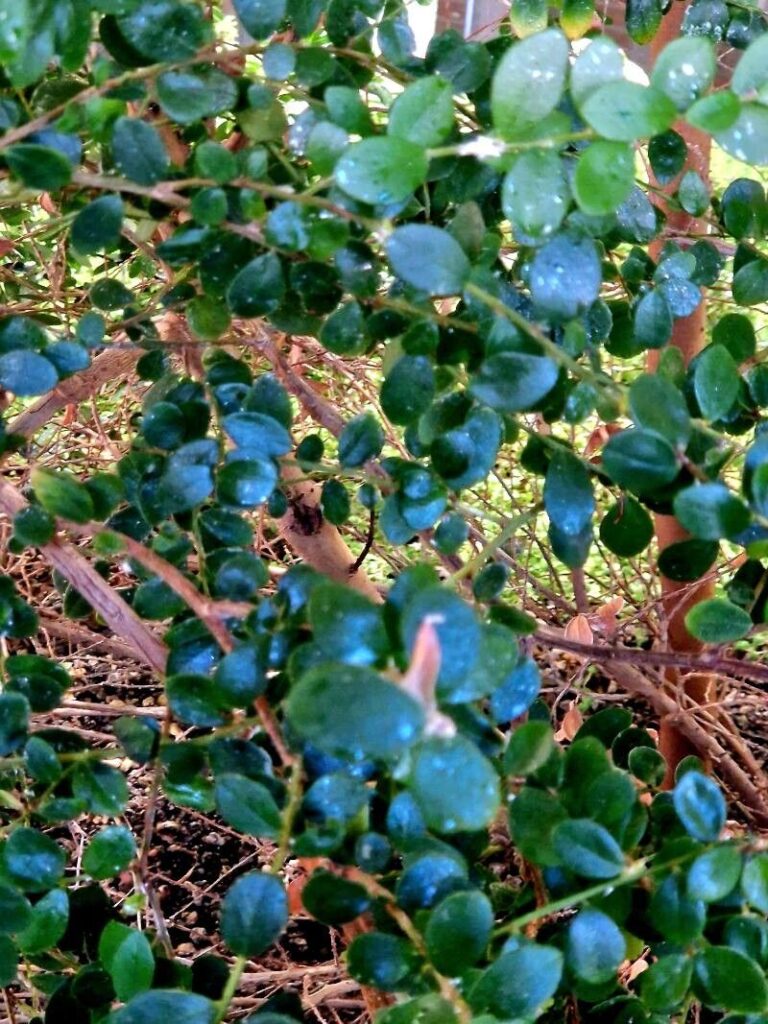
Unleash Your Inner Gardener: Propagating the Charming Myrsine Africana
Myrsine africana, also known as the African boxwood or Cape myrtle, is a versatile and charming evergreen shrub prized for its delicate foliage, compact form, and ability to thrive in various conditions. If you’re looking to expand your garden’s population of these delightful shrubs or share their beauty with a friend, propagation is a rewarding path. Let’s delve into the world of Myrsine africana propagation, exploring the two most effective methods:
1. The Art of Cuttings:
Propagating Myrsine africana from cuttings is the most common and generally successful method. Here’s a step-by-step guide:
- Timing is Key: The optimal time for taking cuttings is during the plant’s active growth period, ideally in late spring or early summer.
- Select Your Weapon (of Propagation): Choose healthy, non-flowering shoots for your cuttings. Look for stems that are semi-ripe – meaning they are firm but still somewhat flexible.
- Make the Cut: Using sharp, sterilized pruning shears or a knife, take cuttings about 3-4 inches long. Make a clean cut just below a leaf node (the point where the leaf attaches to the stem). Remove the lower leaves from the cutting, leaving only a few at the top.
- Hormone Boost (Optional): While not strictly necessary, dipping the cut end of your cuttings in rooting hormone powder can significantly increase success rates.
- The Rooting Medium: Prepare a well-draining rooting mixture. A blend of perlite and vermiculite or a specific seed-starting mix works well. Moisten the mixture thoroughly.
- Planting the Cuttings: Create holes in the rooting medium with your finger or a pencil. Gently insert the cuttings, ensuring the leaf nodes at the base are buried.
- Creating a Humid Haven: Cover the pot with a clear plastic bag or a humidity dome. This helps retain moisture and create a mini-greenhouse environment.
- Light and Patience: Place your cuttings in a brightly lit area, but out of direct sunlight. Avoid overwatering; keep the soil lightly moist but not soggy. Rooting typically takes 6-8 weeks, sometimes longer. You’ll know roots have formed when you see new growth.
2. Seed Starting: A Test of Patience
While propagating Myrsine africana from seed is possible, it’s a slower and less predictable process than cuttings. Here’s a glimpse:
- Seed Collection: Collect ripe berries from an established plant. The berries are small and typically turn blue-black when ripe.
- Seed Extraction and Cleaning: Extract the seeds from the berries and clean off any remaining pulp.
- Pre-treatment (Optional): Soaking the seeds in warm water for 24 hours before sowing can help soften the seed coat and improve germination.
- Sowing the Seeds: Fill seed trays or pots with a well-draining seed-starting mix and sow the seeds on the surface. Lightly cover them with a thin layer of the mixture.
-
Germination Conditions: Place the trays in a warm, brightly lit location, out of direct sunlight. Keep the soil consistently moist but avoid overwatering. Germination is erratic and can take several weeks or even months.
Transplanting Your Success Story
Once your cuttings have developed a good root system or your seedlings are a few inches tall, you can transplant them into individual pots or your garden. Choose a location with well-drained soil and partial to full sun exposure.
Propagating your own Myrsine africana is a deeply satisfying experience. With a bit of patience and care, you can enjoy these beautiful and versatile shrubs for years to come, all while mastering the art of plant propagation!