
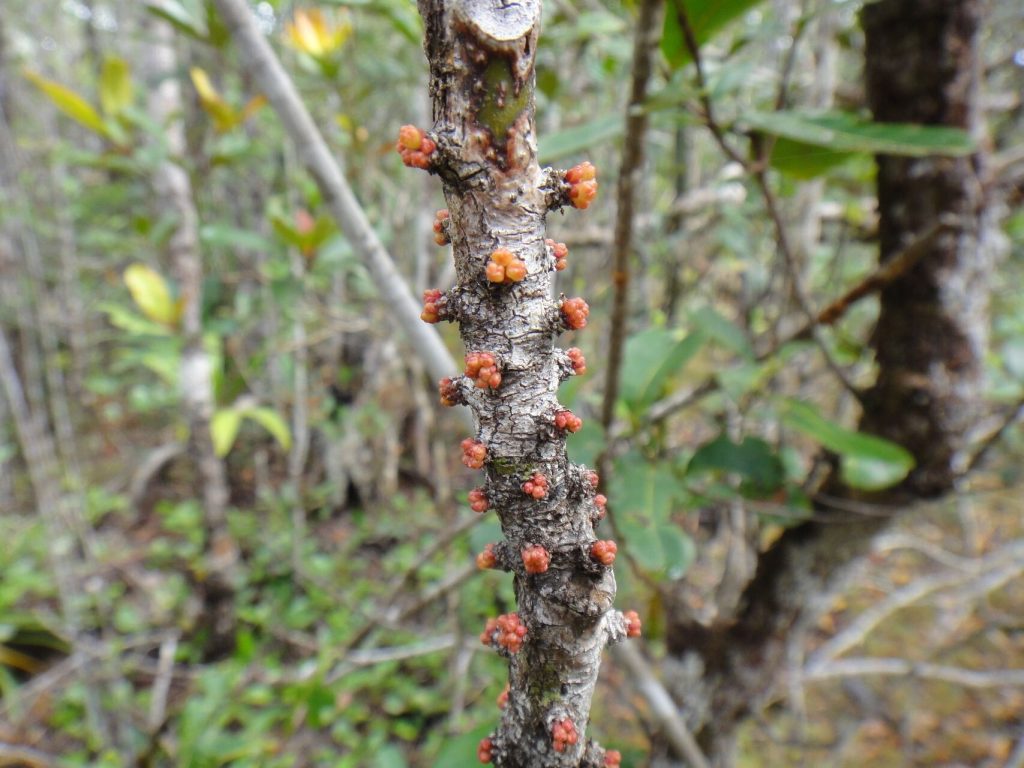
Propagating Myrsine grandifolia: A Gardener’s Guide
Introduction
Myrsine grandifolia, often known as the large-leaved myrsine, is an attractive evergreen shrub prized for its glossy, dark green foliage and relatively low maintenance requirements. Its dense habit makes it ideal for hedges, borders, or as a specimen plant in gardens. While not as widely cultivated as some other shrubs, Myrsine grandifolia is gaining popularity among gardeners seeking a robust, visually appealing addition to their landscapes. Its propagation, however, presents some unique challenges, making successful cultivation all the more rewarding.
Seed Germination:
Currently, there are no known reliable methods for seed germination propagation of Myrsine grandifolia. Limited research exists on its reproductive biology, and anecdotal evidence suggests low germination rates even under ideal conditions. Further research is needed to determine if specific pretreatments (such as scarification or stratification) might improve germination success.
Cuttings:
Cuttings represent a more viable propagation method for Myrsine grandifolia.
Challenges: Rooting can be slow and inconsistent. The success rate depends heavily on factors like the age and health of the parent plant, the timing of the cuttings (preferably in spring or early summer), and the use of rooting hormone.
Practical Tips: Take semi-hardwood cuttings (partially matured wood) approximately 4-6 inches long. Remove lower leaves to prevent rot. Dip the base in rooting hormone and plant in a well-draining propagation mix (e.g., perlite and peat moss). Maintain high humidity (using a humidity dome or plastic bag) and consistent moisture. Consistent bottom heat can also improve rooting success.
Rewards: Cuttings offer a relatively straightforward method to create genetically identical plants, preserving desirable characteristics of the parent plant.
Division:
Division is generally not a feasible method for propagating Myrsine grandifolia. This plant typically doesn’t develop clumping rhizomes or multiple stems suitable for division.
Tissue Culture:
Tissue culture offers a potential, albeit technically demanding, method for propagating Myrsine grandifolia.
Challenges: Establishing sterile conditions and finding the optimal growth medium and hormonal balance for Myrsine grandifolia will require specialized knowledge and equipment. This method is expensive and generally only practical for large-scale nurseries or research institutions.
Practical Tips: Sterile techniques are essential to prevent contamination. Experimentation with different media formulations and growth regulators (auxins, cytokinins) will be needed to optimize shoot multiplication and root formation.
Rewards: Tissue culture allows for rapid multiplication of superior genotypes and the production of disease-free plants.
Conclusion:
Propagating Myrsine grandifolia presents unique challenges, with cuttings offering the most practical approach for the home gardener, albeit with a degree of patience and persistence required for success. Seed germination and division are less viable, while tissue culture, although offering high propagation rates, requires specialized expertise and resources. Despite the difficulties involved, the satisfaction of nurturing a cutting into a thriving Myrsine grandifolia plant is considerable. The lush, dark foliage ultimately rewards the determined propagator. For aspiring cultivators, remember consistent moisture, humidity control, and a well-draining medium are key factors for success, regardless of the chosen propagation method. Don’t be discouraged by setbacks; persistence is crucial in the rewarding endeavor of cultivating this beautiful shrub.