
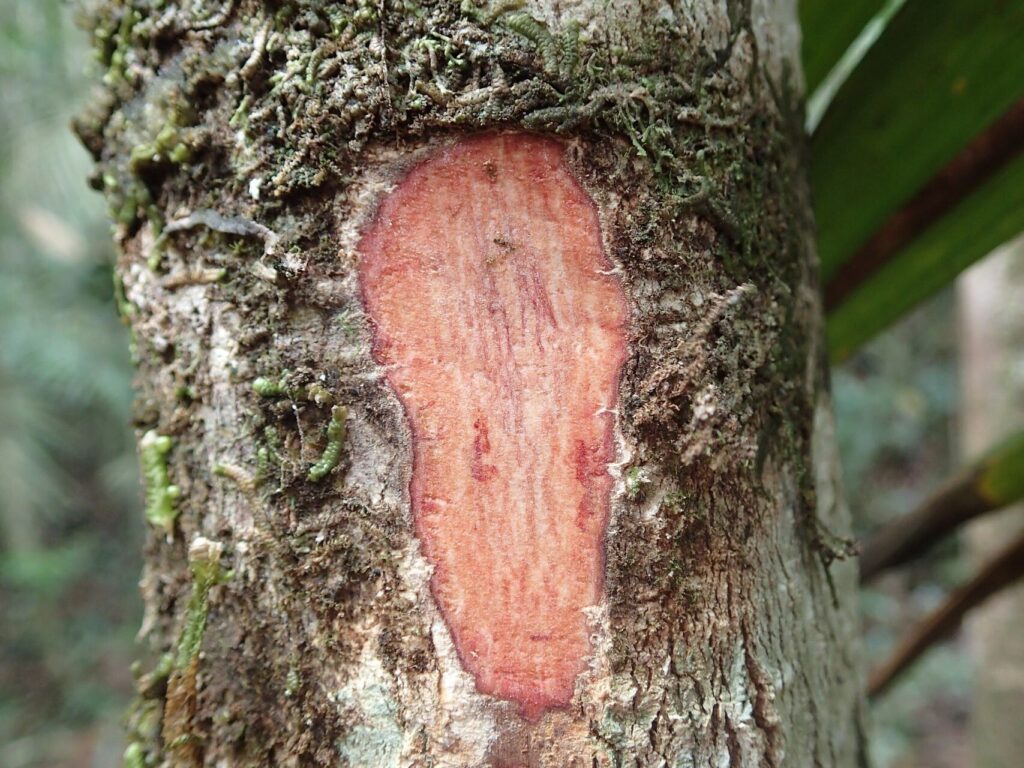
Unlocking the Secrets of Cape Myrtle Propagation: Tips for Growing Myrsine lanceolata
The Cape myrtle, scientifically known as Myrsine lanceolata, is a South African native quickly gaining popularity for its attractive foliage, resilience, and versatility in gardens worldwide. If you’re enchanted by this evergreen wonder and want to expand your collection or share its beauty, understanding its propagation is key. Let’s delve into the world of Cape myrtle propagation, exploring the most effective methods for success.
Method 1: Growing from Seed
While slightly more challenging, propagating Cape myrtle from seed can be an enriching experience. Here’s how:
- Seed Collection and Preparation: Collect ripe berries from an established plant in late summer or fall. Extract the seeds and allow them to dry for a few days.
- Sowing: Sow the seeds in a well-draining seed-starting mix. Surface-sow and lightly press them into the soil, providing a light watering.
- Environment: Maintain a warm, humid environment for your seedlings, ideally using a propagator or covering the seed tray with plastic wrap.
- Patience: Germination can be erratic, taking anywhere from a few weeks to a couple of months. Be patient and continue providing proper moisture and indirect light.
Method 2: Semi-Hardwood Cuttings
Taking semi-hardwood cuttings offers a higher success rate and is the preferred method for many gardeners:
- Timing: Take cuttings during the cooler months, ideally in late spring or early fall.
- Choosing a Cutting: Select healthy, non-flowering stems that are approximately 4-6 inches long. The cutting should be from the current season’s growth and should snap easily when bent.
- Preparing the Cutting: Remove the lower leaves, leaving 2-3 pairs at the top. Make a clean cut just below a leaf node, and consider dipping the cut end in rooting hormone to encourage faster development.
- Planting: Place the cuttings in a well-draining potting mix, burying at least one leaf node. Water thoroughly.
- Environment: Like seedlings, maintain a warm, humid environment using a propagator or plastic covering. Provide bright, indirect light.
- Rooting: Within 6-8 weeks, your cuttings should develop roots. You can gently tug on them to check for resistance, which indicates successful rooting.
Tips for Success:
- Well-Draining Soil: Cape myrtle dislikes soggy soil, so ensure your chosen potting mix drains well.
- Bright, Indirect Light: Place your seedlings or cuttings in a location with ample indirect light. Direct sunlight, especially during the hottest hours, can scorch and damage young plants.
- Consistent Moisture: Maintain a consistently moist but not waterlogged environment. Misting your cuttings regularly can help maintain humidity.
- Patience is Key: Propagation takes time. Don’t get discouraged if you don’t see results immediately. With proper care and attention, your Cape Myrtles will thrive and reward your efforts.
By following these steps and embracing a little patience, you can successfully propagate Myrsine lanceolata and enjoy its unique beauty in multiple areas of your garden or share its charm with fellow plant enthusiasts. Happy propagating!