
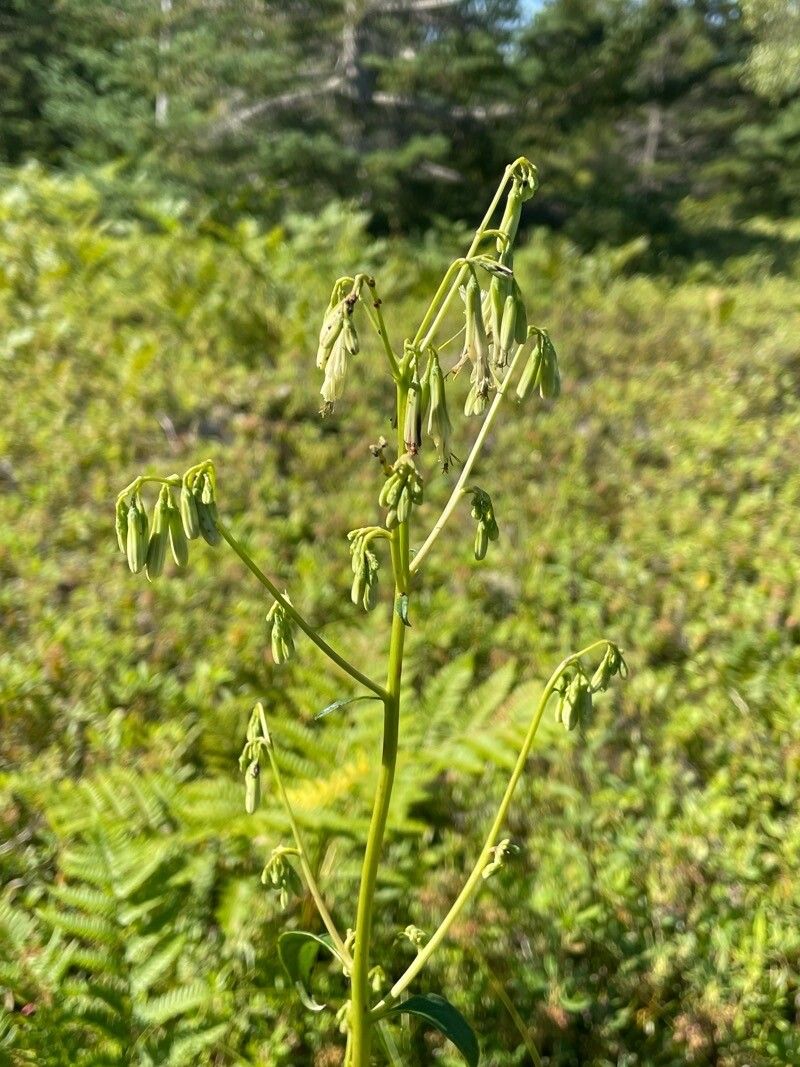
Propagating Nabalus serpentarius: A Gardener’s Guide to the Rattlesnake Root
Nabalus serpentarius, commonly known as rattlesnake root, is a striking native North American perennial prized for its tall, elegant stems adorned with lance-shaped leaves and clusters of creamy-white flowers. Its presence in a garden adds a touch of wild grace and attracts pollinators. While not ubiquitous in gardens, its unique beauty and medicinal history (traditionally used for various ailments) are contributing to its growing popularity. However, propagating rattlesnake root can present some unique challenges.
Seed Germination:
Currently, there are no known reliable methods for seed germination propagation of Nabalus serpentarius. While seeds may be produced, germination rates are extremely low, and successful cultivation from seed remains largely undocumented. Further research into specific stratification techniques or other germination aids is needed before seed propagation can be considered a viable option.
Cuttings:
Propagating Nabalus serpentarius from cuttings presents moderate challenges. The success rate is variable and depends on several factors:
- Challenges: Rattlesnake root cuttings can be prone to rot if not handled carefully. Maintaining consistent moisture without creating overly wet conditions is crucial. The rooting process is relatively slow.
- Practical Tips: Take semi-hardwood cuttings in late summer or early autumn. Use a sharp, clean blade to prevent the spread of disease. Dip the cuttings in rooting hormone to enhance success. Plant in a well-draining propagation mix, ensuring good airflow around the cuttings. Maintain high humidity using a humidity dome or plastic bag.
- Rewards: Successful rooting from cuttings offers a quicker way to propagate a desirable plant compared to division, though still potentially slower than tissue culture (if successful). It allows for the precise replication of desirable traits found in a specific mother plant.
Division:
Division is arguably the most reliable method for propagating Nabalus serpentarius:
- Challenges: Division should only be attempted when the plant is established and robust enough to tolerate the disturbance. Improper division can damage the root system and weaken or kill the plants. The timing is crucial to ensure successful establishment.
- Practical Tips: Divide the plant in early spring or fall, when the plant is dormant or just beginning active growth. Dig up the entire root system carefully and separate it into smaller sections, ensuring each section has sufficient roots and shoots. Replant the divisions promptly, ensuring adequate spacing for growth.
- Rewards: Division is a relatively straightforward method that offers a high success rate for experienced gardeners once the plant is established. It allows for quicker propagation than cuttings and provides a means to increase the number of plants relatively quickly.
Tissue Culture:
Tissue culture represents a potential, albeit largely unexplored, avenue for propagating Nabalus serpentarius:
- Challenges: Establishing a suitable protocol for Nabalus serpentarius tissue culture requires significant experimentation and specialized expertise and laboratory equipment. This method is costly, time-consuming, and usually only accessible to research facilities or specialized nurseries.
- Practical Tips: If pursuing this method, consult existing literature on tissue culture techniques for similar plant species. Optimization of growth media, hormonal treatments, and sterile conditions will be needed, along with a lot of trial and error.
- Rewards: If successfully established, tissue culture offers the possibility for rapid and large-scale propagation. It allows for disease-free plants and provides opportunities for genetic improvement through techniques like somaclonal variation.
Conclusion:
Propagating Nabalus serpentarius presents various challenges across different propagation methods. While division presents the most reliable option for the average gardener, the low success rate from seed and the relatively slow rooting from cuttings indicate that patience and persistence are key. Tissue culture could hold significant promise, but requires advanced techniques and resources. The difficulties inherent in propagating this plant only intensify the sense of accomplishment when success is achieved. The unique beauty and resilience of rattlesnake root make the effort worthwhile for those willing to embrace the challenge, encouraging us to remain faithful to the nurturing aspects of growing a plant that deserves patient care.