
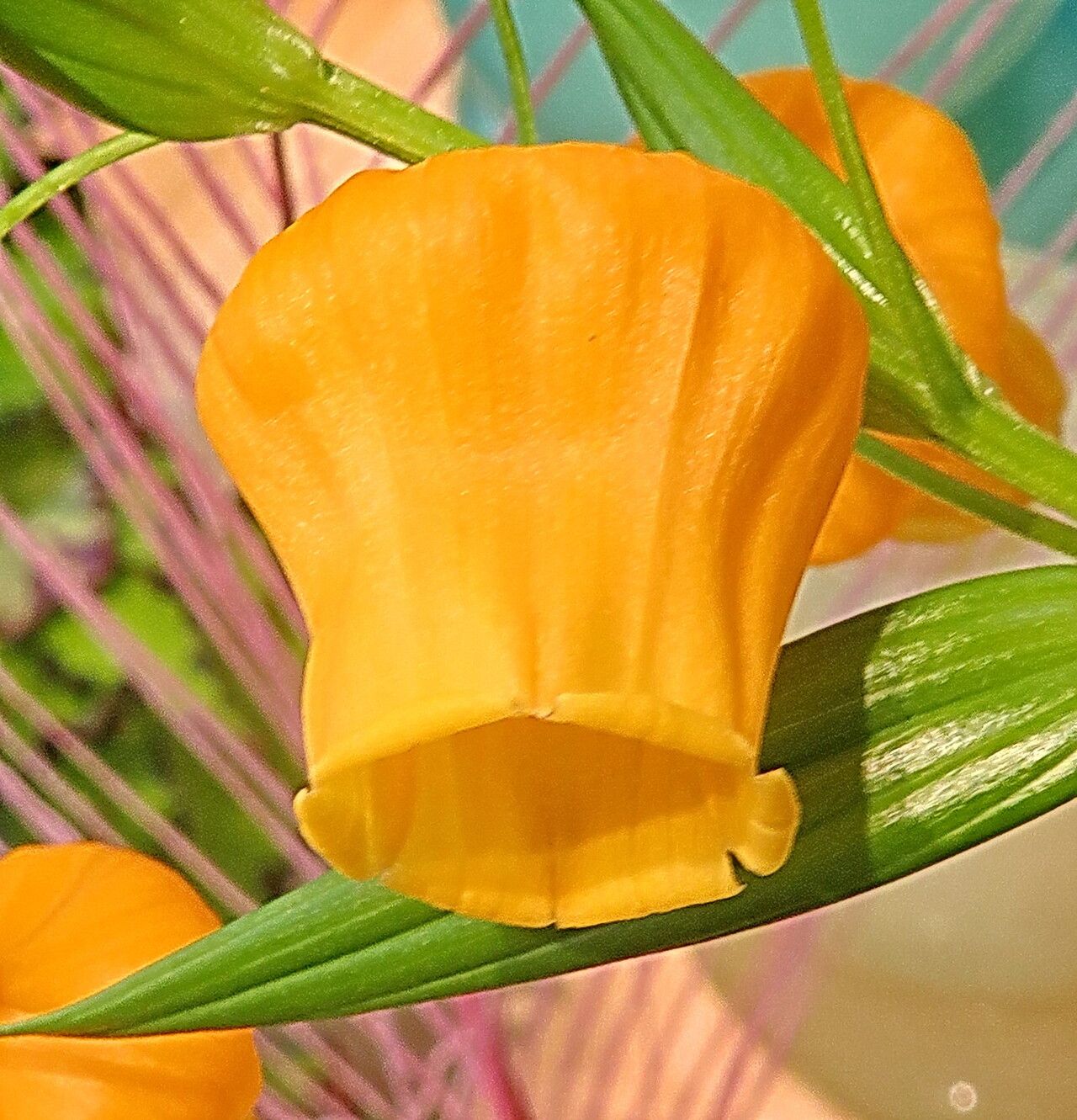
Propagating the Christmas Bells: A Guide to Sandersonia aurantiaca
Introduction:
Sandersonia aurantiaca, commonly known as Christmas Bells or Chinese Lantern Lily, is a captivating bulbous plant native to South Africa. Its striking, bell-shaped, orange flowers dangle delicately from slender stems, making it a highly sought-after addition to gardens and floral arrangements. Its unique appearance and relatively easy cultivation contribute to its popularity among gardeners, although propagation can present some challenges. Unlike many bulbs, Sandersonia aurantiaca doesn’t readily produce numerous offsets, limiting the ease of division. This article explores various propagation methods to help gardeners successfully expand their Christmas Bells collections.
Seed Germination:
Currently, there are no known reliable methods for seed germination propagation of Sandersonia aurantiaca. Although seeds may be produced, they exhibit extremely low germination rates and often fail to develop into viable plants, even under ideal conditions.
Cuttings:
Currently, there are no known reliable methods for propagation of Sandersonia aurantiaca via cuttings. The plant’s physiology does not lend itself to successful rooting from stem or leaf cuttings.
Division:
Challenges: Sandersonia aurantiaca produces relatively few offsets (small bulbs growing from the main bulb). Therefore, division is a slow and limited method of propagation. Further, careless handling can easily damage the delicate bulbs, leading to failure.
Practical Tips: The best time for division is during the plant’s dormant period (typically late summer or early autumn). Gently lift the entire clump, carefully separating the offsets from the parent bulb, ensuring each offset has healthy roots and a portion of the rhizome. Replant the offsets individually in well-draining soil, ensuring they are not planted too deeply.
Rewards: Division offers a relatively straightforward method, although limited in scale, to increase the number of plants. It preserves the exact genetic characteristics of the parent plant.
Tissue Culture:
Challenges: Tissue culture, while technically viable, requires specialized equipment, sterile conditions, and expertise in plant tissue culture techniques. This method is generally not accessible to the average home gardener.
Practical Tips: Successful tissue culture involves the use of aseptic techniques, appropriate growth media, and precisely controlled environmental conditions (light, temperature, humidity). It is most effective using small pieces of actively growing tissue from the plant.
Rewards: Tissue culture offers the potential for large-scale propagation and the production of disease-free plants.
Conclusion:
Propagating Sandersonia aurantiaca presents significant challenges. Seed germination and cuttings are currently unreliable methods. Division offers a viable, albeit limited, option for home gardeners, while tissue culture requires specialized skills and equipment. Despite the difficulties, the rewards are worth the effort. The unique beauty of the Christmas Bells and the satisfaction of successfully nurturing these plants from a division or via tissue culture provides a significant sense of accomplishment. For the home gardener, focusing on careful division and providing ideal growing conditions for the resulting plants is the most practical approach to increasing your collection of these stunning flowers. Don’t be discouraged by the challenges; the journey of cultivating these beautiful bells is a rewarding one.