
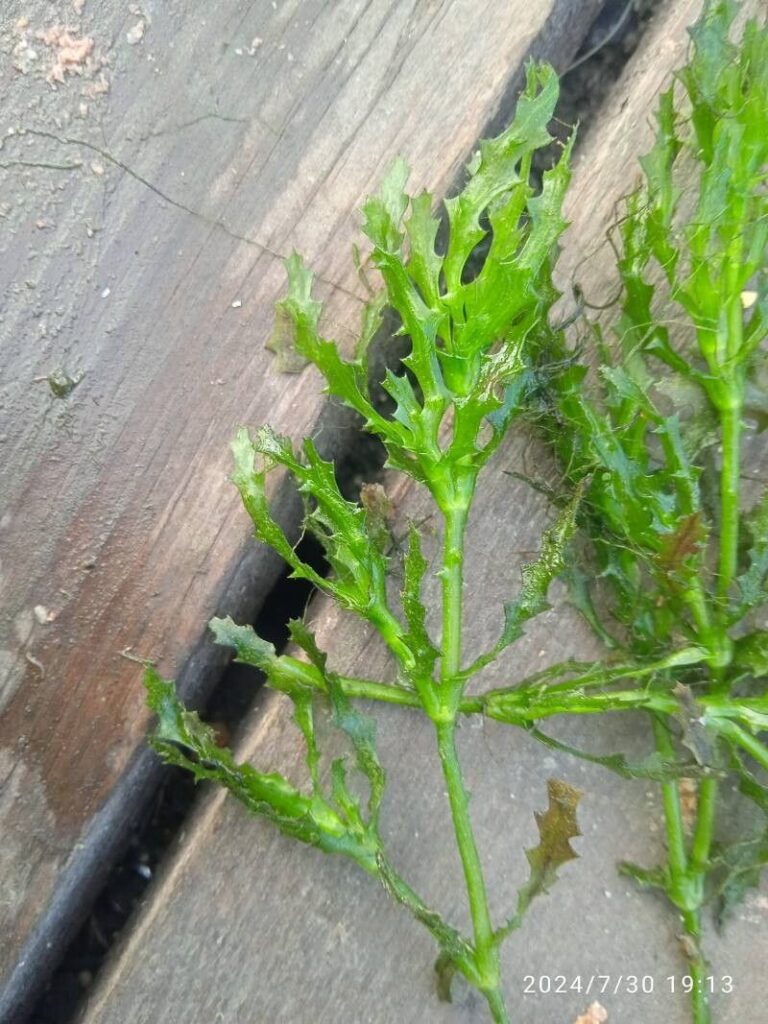
Unlocking the Secrets of Najas Major Propagation: A Simple Guide
Najas major, also known as holly-leaved naiad, is an intriguing aquatic plant that can add a touch of vibrant green to your water garden or aquarium. Unlike many other aquatic plants that require complex care, Najas major stands out for its resilience and ease of propagation. This characteristic makes it a fantastic choice for both novice and seasoned water gardeners.
This guide will delve into the fascinating world of Najas major propagation, equipping you with the knowledge to cultivate this unique plant successfully.
Understanding Najas Major
Before we dive into the how-to, let’s get acquainted with Najas major. This submerged aquatic plant boasts delicate leaves resembling holly, hence its common name. It’s a fast grower and serves various crucial roles in its aquatic environment:
- Oxygenation: Just like any other aquatic plant, Najas Major contributes significantly to oxygenating the water, creating a healthier environment for fish and other aquatic life.
- Shelter and Food Source: Its dense growth provides a perfect hiding spot for small fish and invertebrates, while also acting as a natural grazing ground for some species.
- Nutrient Control: Najas Major helps absorb excess nutrients in the water, inhibiting the growth of undesirable algae and maintaining water clarity.
Methods of Propagation
The beauty of Najas major lies in its simple yet effective propagation methods:
-
Cuttings: The most common and arguably easiest way to propagate Najas Major is through cuttings.
- Identify a healthy stem: Look for a robust stem with at least 4-6 nodes (the points where leaves emerge).
- Make a clean cut: Use sharp, sterilized scissors or shears to cut the stem just below a node.
- Planting the cutting: Simply float the cutting in your aquarium or gently plant it in the substrate. Ensure the cut end is anchored if planting.
- Seeds: Though less common, Najas Major can also be grown from seeds, offering a fun challenge for the avid propagator.
- Seed Collection: Seeds can sometimes be found attached to the plant or collected from the bottom of the water body.
- Seed Preparation: No special pre-treatment is typically required for Najas major seeds.
- Sowing: Sprinkle the seeds over a suitable aquatic substrate or float them in your aquarium.
Essential Care Tips for Successful Propagation
- Light: Najas Major thrives in moderate to bright, indirect sunlight or artificial light designed for aquariums.
- Water Parameters: This hardy plant tolerates a wide range of water parameters but prefers slightly acidic to neutral pH levels (6.5-7.5).
- Nutrient Availability: While not a heavy feeder, a nutrient-rich substrate or occasional liquid fertilizer can promote faster growth.
- Regular Pruning: Don’t be afraid to trim your Najas major! Regular pruning encourages bushier growth and prevents the plant from overcrowding your aquarium or pond.
Conclusion
Propagating Najas Major is a rewarding experience for anyone interested in aquascaping or simply adding a touch of natural beauty to their aquatic environments. Its low maintenance needs and simple propagation techniques make it a perfect choice for beginners and experienced enthusiasts alike. By following these guidelines, you can enjoy the captivating allure of this unique aquatic plant while reaping the benefits it offers to your aquatic ecosystem.