
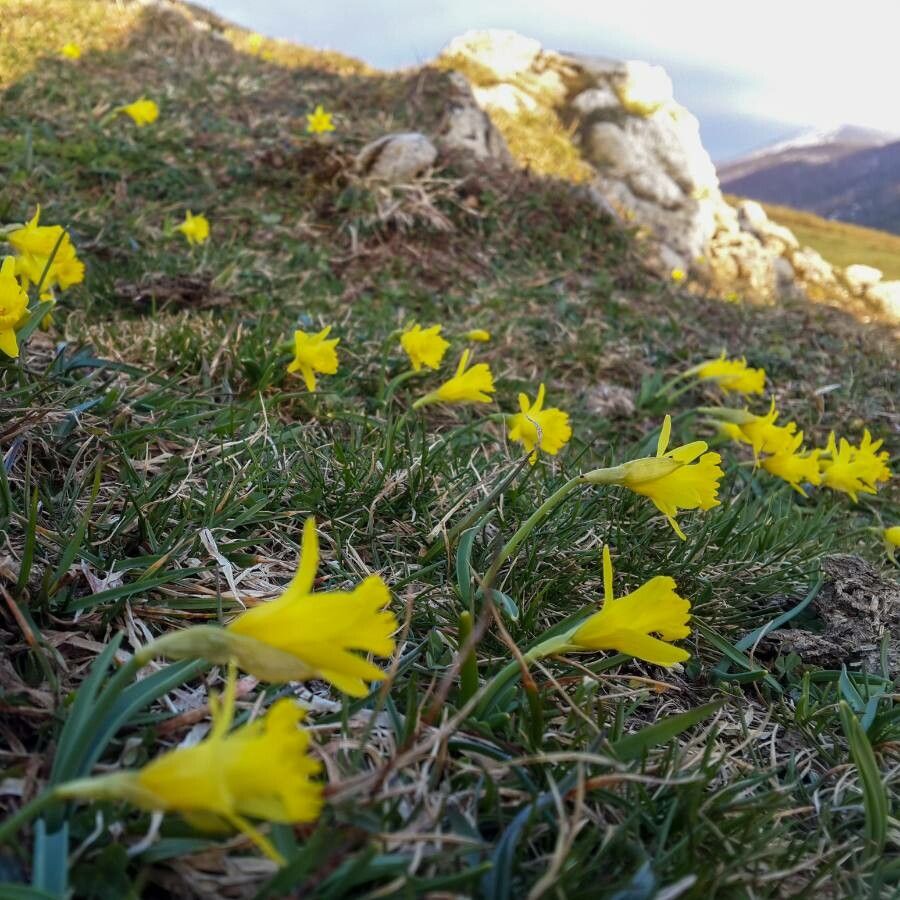
Propagating the Canary Island Daffodil (Narcissus cuneiflorus): A Gardener’s Guide
Introduction:
Narcissus cuneiflorus, commonly known as the Canary Island Daffodil, is a captivating member of the Amaryllidaceae family, native to the Canary Islands. This charming daffodil boasts delicate, often fragrant, yellow flowers with a distinctive, short corona (trumpet). Its slender leaves and relatively compact growth habit make it a desirable addition to rock gardens, borders, and containers. While not as widely cultivated as some of its daffodil cousins, its unique beauty and relative rarity contribute to its growing popularity among gardeners. Successfully propagating this species presents a rewarding challenge due to its particular needs.
Seed Germination:
Currently, there are no known reliable methods for seed germination propagation of Narcissus cuneiflorus. While the species produces seed, germination rates are notoriously low, and seedling development is slow and inconsistent. The seeds require specific environmental conditions that are difficult to recreate outside of their native habitat.
Cuttings:
Cuttings are not a viable method for propagating Narcissus cuneiflorus. Daffodils, unlike some other plants, do not readily propagate from stem or leaf cuttings.
Division:
Division is the most reliable and commonly used method for propagating Narcissus cuneiflorus. This involves carefully separating the bulb clumps into individual bulbs or smaller clusters of bulbs after the plant’s foliage has died back in summer.
- Challenges: Over-crowding can weaken bulbs, reducing flowering. Incorrectly dividing can damage the bulbs, leading to failure. Timing is critical – dividing too early or too late can compromise the bulbs’ ability to re-establish.
- Practical Tips: Use a sharp, clean knife or trowel to divide the clumps. Ensure each new division has healthy roots and a portion of the stem plate. Plant the divisions immediately in well-drained, fertile soil, ideally in a location mimicking their native environment (sunny with good air circulation).
- Rewards: Division offers a relatively straightforward way to increase the number of plants. It is relatively quick, produces true-to-type plants, and allows for immediate garden integration.
Tissue Culture:
Tissue culture offers a potential avenue for large-scale propagation of Narcissus cuneiflorus.
- Challenges: This method requires specialized equipment, sterile techniques, and a skilled horticulturalist. It can be expensive and time-consuming. Establishing optimal growth media and protocols specific to Narcissus cuneiflorus might require extensive research and experimentation.
- Practical Tips: Professional laboratories specializing in plant tissue culture are best equipped for this method. Providing the lab with healthy, disease-free plant material is crucial for success.
- Rewards: Tissue culture offers the opportunity for mass production, the elimination of diseases, and the preservation of rare or genetically valuable specimens.
Conclusion:
Propagating Narcissus cuneiflorus presents unique challenges, with division offering the most practical approach for the average gardener. While seed germination and tissue culture remain largely unreliable or resource-intensive, the success of division provides a satisfying reward. The unique beauty and delicate nature of this Canary Island daffodil underscore the dedication required to cultivate it successfully. The careful handling and attention to detail needed in propagation transform the gardening process from a simple activity into a rewarding connection with nature. Aspiring propagators should start with division, mastering the technique before considering the more complex methods. The gratification derived from seeing those delicate yellow flowers emerge from your own successfully propagated bulbs is ample compensation for the effort involved.