
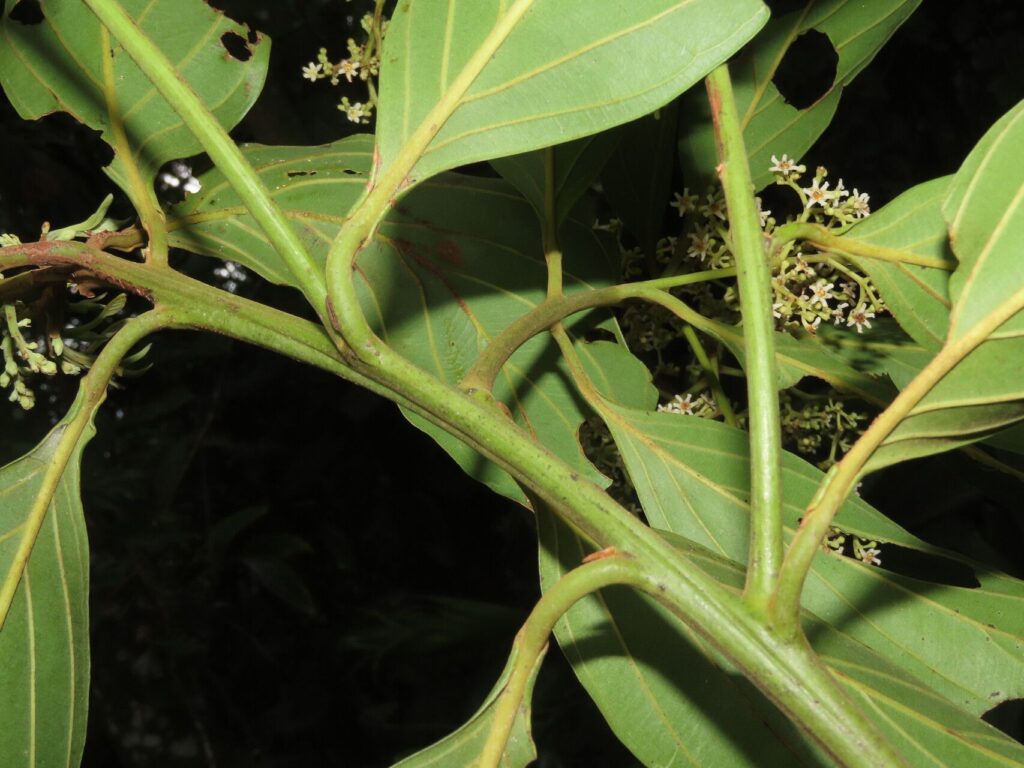
Unlocking the Secrets of Nectandra Membranacea: A Guide to Propagation
Nectandra membranacea, also known as the sweetwood or the lancewood, is a majestic evergreen tree native to the Americas, celebrated for its beautiful foliage and ecological importance. While admiring mature specimens in their natural habitat is a treat, have you ever considered cultivating this tropical beauty yourself? While information about Nectandra membranacea propagation is relatively scarce, it is achievable with patience, care, and a touch of green-thumb magic.
This guide delves into the world of Nectandra membranacea propagation, providing insights and techniques to help you grow this magnificent tree from seed or cuttings.
Seed Propagation: Nurturing Life from Within
Nectandra membranacea typically flowers in spring, yielding small fruits that ripen to a purplish-black hue. Inside these fruits lie the seeds, harboring the potential for a new generation of trees. Here’s how to give them the best start:
-
Seed Collection and Preparation: Collect mature fruits directly from the tree or gather those that have fallen to the ground, ensuring they are healthy and free from pests. Remove the fleshy pulp, rinse the seeds thoroughly, and allow them to air dry for a day or two.
-
Sowing the Seeds: Fill seed trays or pots with a well-draining seed-starting mix. Sow the seeds about 1 inch deep and mist them gently with water.
-
Providing Optimal Conditions: Place the seed trays or pots in a warm, brightly lit location, but out of direct sunlight. Maintain a humid environment by covering them with a clear plastic dome or humidity tray.
- Germination and Early Care: Nectandra membranacea seeds can take several weeks to months to germinate. Ensure the soil remains consistently moist but not waterlogged. Once the seedlings emerge and develop a few sets of true leaves, they can be carefully transplanted into individual pots.
Cutting Propagation: Cloning for Quicker Results
Propagation via cuttings offers a faster alternative to growing Nectandra membranacea from seed. While slightly more challenging, success is achievable with the right approach:
-
Selecting the Right Cutting: During spring or early summer, choose a healthy, semi-hardwood branch from a mature tree. The cutting should be about 6-8 inches long and have several nodes (the points where leaves are or were attached).
-
Preparing the Cutting: Remove the leaves from the lower third of the cutting. To encourage root development, dip the cut end in a rooting hormone powder (optional but recommended).
-
Planting the Cutting: Insert the cutting into a pot filled with a well-draining rooting mix, ensuring at least two nodes are buried. Water thoroughly.
-
Creating a Humid Environment: Cover the pot with a clear plastic bag or use a humidity dome to maintain high humidity around the cutting.
- Root Development and Transplanting: Roots typically develop in several weeks to months. Gently tug on the cutting; resistance indicates root formation. Once established, carefully transplant the rooted cutting into a larger pot or directly into the ground.
Caring for Your Nectandra Membranacea: A Lifelong Commitment
Successfully propagating Nectandra membranacea is just the beginning. Providing proper care is essential for its long-term health and vigor:
- Light: These trees thrive in full sun to partial shade.
- Water: Maintain consistent moisture, especially during the early stages of growth, but avoid overwatering.
- Soil: Well-draining soil is crucial to prevent root rot.
- Fertilizer: Feed young trees with a balanced fertilizer during the growing season.
By following these guidelines and arming yourself with patience, you can enjoy the satisfaction of nurturing Nectandra membranacea from its earliest stages. Whether starting from seed or cuttings, you play a vital role in preserving this valuable tree species for generations to come. Happy Propagating!