
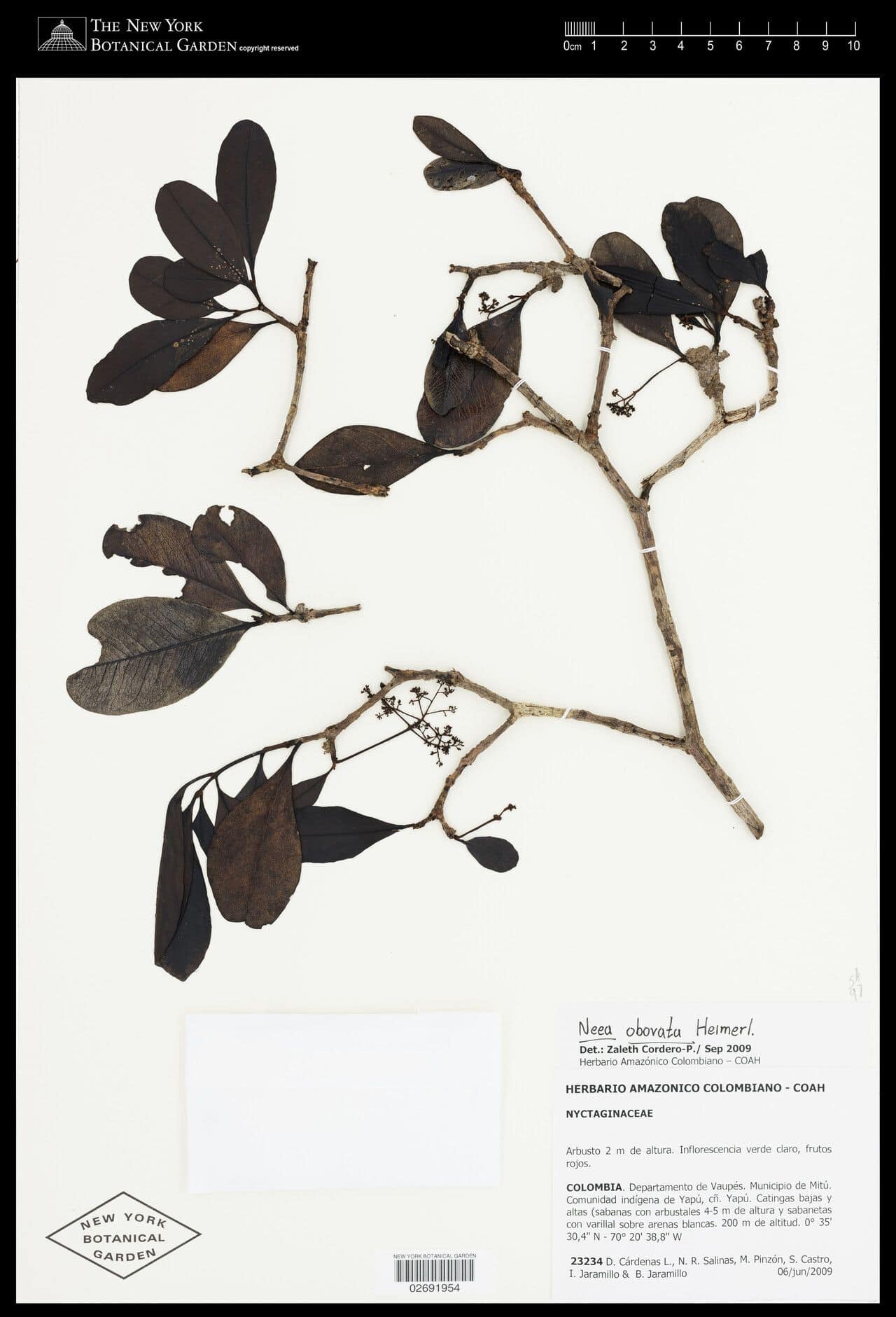
From Seed to Sprout: Unlocking the Secrets of Neea Obovata Propagation
Neea obovata, with its glossy leaves and vibrant berries, is a tropical treasure gaining popularity among plant enthusiasts. This Central American native, also known as the “Red Manjack,” adds a touch of exotic elegance to any garden or indoor space. Intrigued? Then you might be wondering how to grow more of these beauties. Well, you’ve come to the right place! Let’s delve into the fascinating world of Neea obovata propagation.
Two Paths to Propagation: Seeds or Cuttings?
Like many plant species, Neea obovata can be propagated in two primary ways: seeds and cuttings. Each method comes with its own set of advantages and challenges.
1. The Seed Route: A Test of Patience
Propagating Neea obovata from seeds is the more economical option, but it requires a good dose of patience. Here’s how it works:
- Sourcing Seeds: Your best bet is to harvest seeds from existing plants. Look for mature, plump berries that have turned a deep red or black. Extract the seeds, rinse off any fruit pulp, and allow them to dry thoroughly.
- Sowing the Seeds: Plant the seeds in a seed-starting mix that’s well-draining and slightly acidic. Gently press them into the soil, ensuring they are covered with a thin layer of the mix.
- Creating the Ideal Environment: Neea obovata seeds thrive in warmth and humidity. Place the seed tray in a well-lit area, but away from direct sunlight which can be too harsh for young seedlings. Consider using a heating mat to maintain a consistent temperature of around 75-80°F (24-27°C).
- Patience is Key: Germination can be slow and unpredictable, taking anywhere from a few weeks to a couple of months.
2. The Cutting Edge: Faster and More Reliable
For faster and more consistent results, propagating from cuttings is the way to go. Here’s a step-by-step guide:
- Selecting the Right Cuttings: Choose healthy, semi-woody stems that are about 4-6 inches long. The ideal time for taking cuttings is during the plant’s active growing season, typically spring or early summer.
- Preparing the Cuttings: Remove the leaves from the bottom inch or two of the stem. This helps direct the plant’s energy towards root development.
- Encouraging Root Growth: Dip the cut end of the stem in a rooting hormone (optional, but helpful) and plant it in a well-draining potting mix. Maintaining moisture and warmth is crucial, so consider misting regularly or creating a mini-greenhouse effect by covering the pot with a plastic bag.
Nurturing Your New Plants:
Regardless of the propagation method, once your Neea obovata has rooted and begun to grow, it’s time to provide the right care for its long-term health:
- Sunlight Needs: Neea obovata flourishes in bright, indirect light. While it can tolerate some shade, prolonged exposure to intense sunlight can scorch its leaves.
- Watering Wisdom: Water your Neea obovata regularly, allowing the soil to dry slightly between waterings. Overwatering can lead to root rot.
- Humidity Matters: As a tropical plant, Neea obovata loves humidity! Mist your plant regularly or place it on a pebble tray filled with water to increase moisture levels.
Propagating Neea obovata can be a rewarding experience, allowing you to expand your plant collection and share the beauty of this exotic species. Whether you choose the patience-testing seed method or the quicker approach with cuttings, remember to provide the right care for these tropical beauties, and you’ll be rewarded with lush, vibrant plants.