
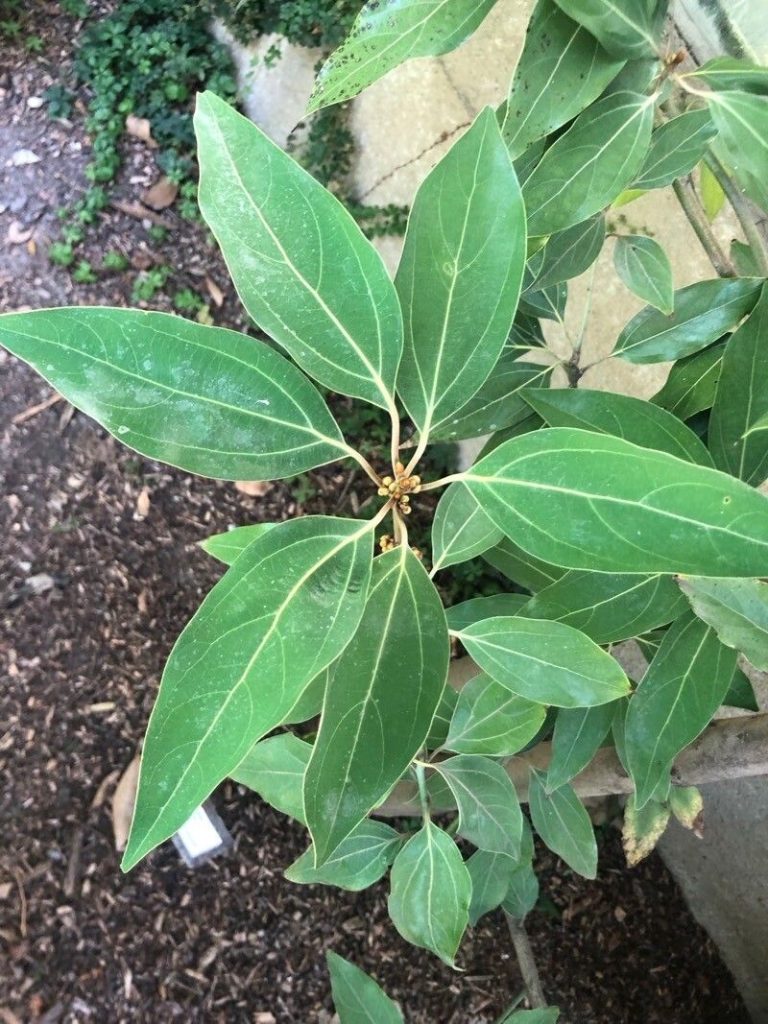
Propagating Neolitsea sericea: Unveiling the Secrets of the Silky Phoebe
Neolitsea sericea, commonly known as the Silky Phoebe, is a captivating evergreen tree prized for its attractive foliage, aromatic qualities, and potential for use in landscaping. Its glossy, dark green leaves, often with a silvery sheen beneath, create a striking visual effect, making it a popular choice among gardeners seeking a unique and relatively low-maintenance addition to their gardens. However, its propagation presents some intriguing challenges, making successful cultivation a particularly rewarding experience.
Seed Germination:
Currently, there are no known reliable methods for seed germination propagation of Neolitsea sericea. While seeds are produced, their germination rate is extremely low, and the process appears to be highly influenced by factors yet to be fully understood. Further research is needed to determine optimal conditions for successful seed germination.
Cuttings:
Cuttings offer a more promising avenue for propagating Neolitsea sericea. However, success hinges on meticulous technique and attention to detail.
-
Challenges: Neolitsea sericea cuttings can be notoriously difficult to root. The slow-rooting nature of the species requires patience and consistent care. The risk of fungal diseases is also significant, especially in humid environments.
-
Practical Tips: Semi-hardwood cuttings taken in late summer or early autumn, using a sharp, clean blade to create a 4-6 inch cutting with several leaves, have shown the highest success rate. The use of rooting hormone is strongly recommended. Plant cuttings in a well-draining propagation mix, maintain high humidity (e.g., using a humidity dome), and ensure consistent warmth but avoid direct sunlight. Bottom heat can also improve rooting success.
- Rewards: Successful propagation of Neolitsea sericea from cuttings guarantees that the desirable traits of the parent plant will be replicated in the offspring. This method is suitable for smaller-scale propagation projects.
Division:
Division is not a feasible method for propagating Neolitsea sericea. This species does not readily form substantial root suckers or readily detachable divisions suitable for propagation.
Tissue Culture:
Tissue culture offers a potential solution to the challenges of propagating Neolitsea sericea. This sophisticated technique, while requiring specialized equipment and expertise, has the potential to overcome many of the limitations associated with seed germination and cuttings.
-
Challenges: Establishing a reliable tissue culture protocol for Neolitsea sericea requires significant experimentation to identify appropriate media, growth hormones, and sterilization techniques. This method is resource-intensive and requires specialized knowledge and facilities.
-
Practical Tips: Research into suitable media formulations and sterilization procedures should be conducted before attempting tissue culture. Collaboration with a university or commercial tissue culture laboratory may be necessary.
- Rewards: Tissue culture offers the potential for large-scale propagation of genetically uniform plants from a single mother plant, particularly useful for commercial purposes or conservation efforts involving rare or endangered genotypes.
Conclusion:
Propagating Neolitsea sericea presents a unique set of challenges, emphasizing the importance of patience, attention to detail, and sometimes specialized resources. While seed germination is currently unreliable, cuttings offer a viable, though challenging, method for the home gardener. Tissue culture presents a powerful yet resource-intensive option for larger-scale propagation. The rewards, however, are considerable: the satisfaction of cultivating this beautiful and fragrant tree, knowing that you’ve overcome the obstacles to bring its unique beauty into your garden or into the wider landscape, is deeply fulfilling. The journey of propagation, even with its difficulties, ultimately enriches the experience of appreciating and caring for this fascinating plant. Aspiring propagators should embrace the challenges, learn from any setbacks, and persevere; for the unique beauty and reward of a successfully propagated Silky Phoebe is well worth the effort.