
Propagating the Bolivian Giant: A Guide to Neoraimondia herzogiana
Introduction
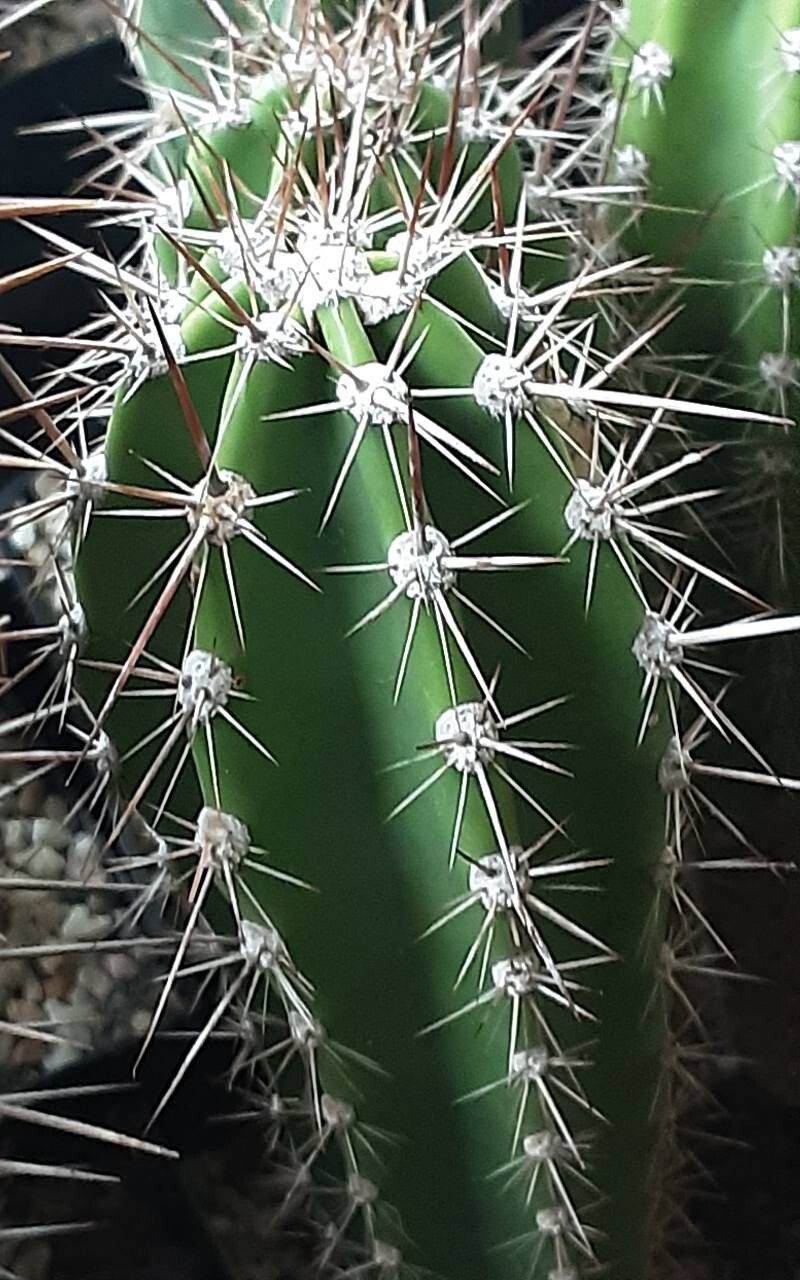
Neoraimondia herzogiana, also known as the Bolivian giant columnar cactus, is a striking spectacle in the world of succulents. This majestic cactus, native to Bolivia, boasts a tall, slender columnar growth habit, adorned with prominent ribs and characteristically long, sharp spines. Its impressive size and unique aesthetic appeal have made it increasingly popular among cacti enthusiasts, though its propagation presents unique challenges. Its relatively slow growth and the difficulty in obtaining mature specimens adds to its allure and makes successful propagation a rewarding endeavor.
Seed Germination
Seed germination for Neoraimondia herzogiana is possible, but presents significant challenges. The seeds possess a relatively low germination rate, and success often hinges on mimicking the specific environmental conditions of its natural habitat.
Challenges: Low germination rate, susceptibility to fungal diseases in moist conditions, and the need for consistent warmth and high humidity.
Practical Tips: Sow seeds in a well-draining cactus and succulent mix, ensuring excellent aeration. Pre-soaking seeds for 24 hours in warm water can improve germination. Maintain a consistent temperature between 25-30°C (77-86°F) and provide high humidity, perhaps using a humidity dome or propagator. Avoid overwatering to prevent damping off.
Rewards: Seed propagation offers the potential for a high degree of genetic diversity within a cultivated population, allowing for a wider range of adaptability and resilience. It also offers the opportunity for large-scale propagation, though the low germination rate needs to be considered.
Cuttings
Currently, there are no known reliable methods for propagation using cuttings of Neoraimondia herzogiana. The large, woody stems are prone to rot and fail to readily root, even with the use of rooting hormone.
Division
Division is not a feasible propagation method for Neoraimondia herzogiana. This species does not produce offsets or readily separable portions of the plant suitable for independent growth.
Tissue Culture
Tissue culture offers the most promising method for large-scale, reliable propagation of Neoraimondia herzogiana. The sterile environment controls for fungal and bacterial contamination, allowing for a higher success rate compared to seed germination.
Challenges: Requires specialized equipment, aseptic techniques, and a skilled hand. The appropriate growth media and hormone combinations must be carefully determined.
Practical Tips: This is a highly technical method best suited for specialists or laboratories. Finding a reputable tissue culture lab with experience in propagation of cacti is crucial.
Rewards: Tissue culture yields a high number of genetically identical plants, ensuring uniformity and allowing for rapid scaling of propagation for commercial or conservation purposes.
Conclusion
Propagating Neoraimondia herzogiana presents a unique set of challenges, yet the rewards are significant. While cuttings and division are currently not viable options, seed germination offers the potential for genetic diversity, albeit with a low success rate, and tissue culture provides the most reliable pathway for large-scale propagation. The effort required is considerable, demanding patience, attention to detail, and a willingness to accept some level of failure. However, successfully cultivating this majestic cactus from seed or through tissue culture brings a deep sense of accomplishment, a testament to your dedication and expertise in the fascinating world of succulent cultivation. Don’t be discouraged by initial setbacks – successful propagation of this Bolivian giant is a rewarding journey, well worth the effort for any serious cacti enthusiast.