
Propagating the Red-fruited Olive: A Guide to Pleioluma rubicunda
Introduction:
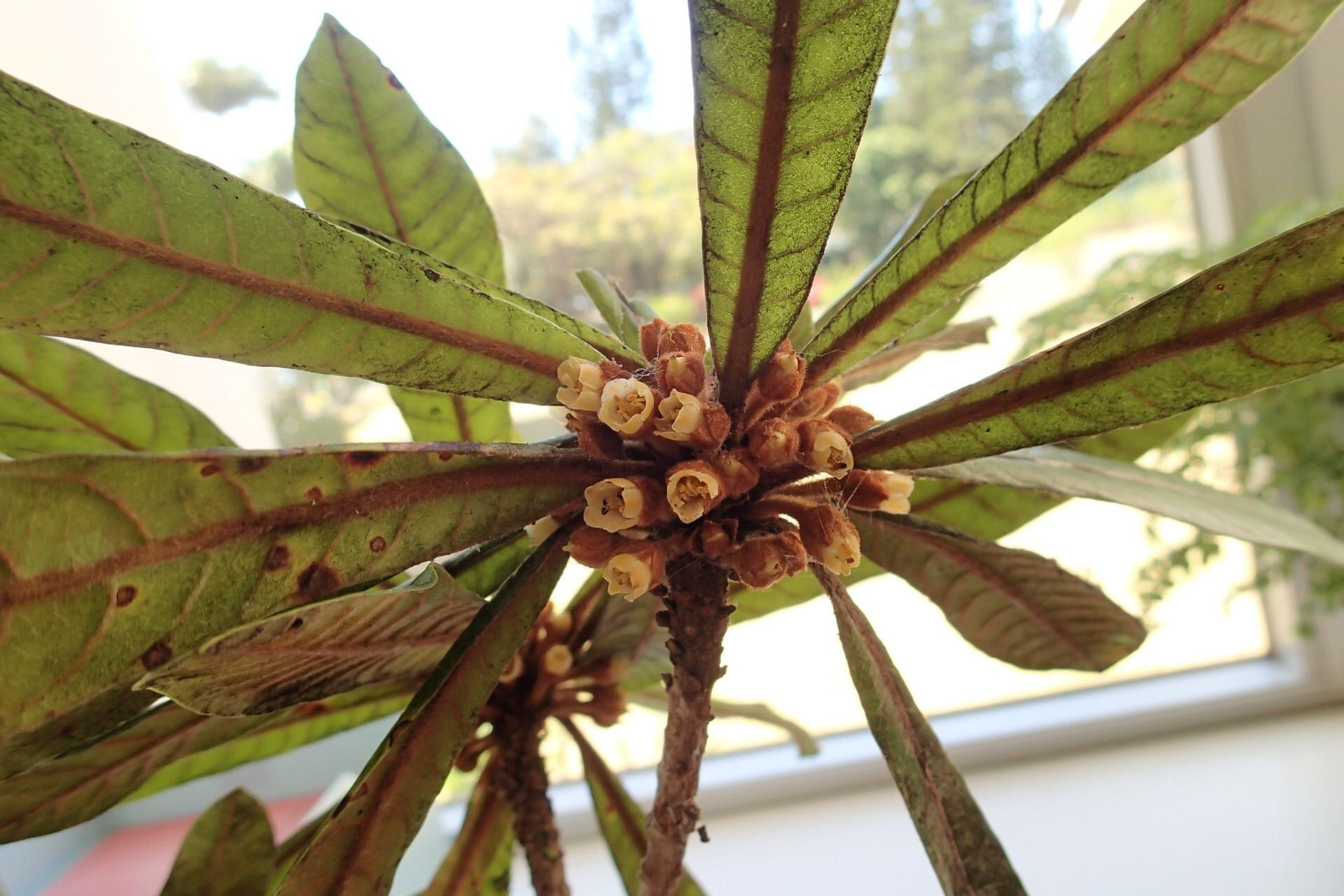
Pleioluma rubicunda, commonly known as the red-fruited olive or sometimes the red olive, is a captivating plant prized for its vibrant red berries and attractive foliage. Native to New Caledonia, this species boasts a unique beauty that has earned it a place in the hearts of many gardeners, particularly those interested in showcasing unusual or native plant species. While its striking appearance makes it a desirable addition to any garden, propagating Pleioluma rubicunda presents distinct challenges due to its relatively slow growth and specific environmental requirements. This guide explores various propagation methods, outlining their viability and outlining the necessary steps for success.
Seed Germination:
Currently, there are no known reliable methods for seed germination propagation of Pleioluma rubicunda. While seeds may be produced, germination rates are extremely low, and success is largely unpredictable. Further research into specific germination requirements, including potential stratification techniques or hormonal treatments, is needed.
Cuttings:
Cuttings present a more promising avenue for propagating Pleioluma rubicunda.
Challenges: Rooting success from cuttings can be slow and inconsistent. The plant’s relatively hard wood and potential susceptibility to fungal infections during the rooting process pose significant hurdles.
Practical Tips: Semi-hardwood cuttings taken in late spring or early summer offer the best chance of success. Use a sharp, clean blade to take cuttings of approximately 10-15cm, removing lower leaves to prevent rotting. Treat the cut ends with a rooting hormone to stimulate root development. Plant the cuttings in a well-draining, sterile propagation mix, maintaining consistently high humidity (e.g., using a humidity dome or propagator). Consistent bottom heat can improve rooting success.
Rewards: Cuttings offer a reliable method for creating clones of the parent plant, preserving desirable traits. This is particularly valuable if you have a mature plant exhibiting exceptional characteristics.
Division:
Division is not a viable propagation method for Pleioluma rubicunda. This plant does not naturally produce offsets or suckers that can be easily separated for propagation.
Tissue Culture:
Tissue culture presents a potential, albeit specialized, method for propagating Pleioluma rubicunda.
Challenges: Establishing a successful tissue culture protocol requires specialized laboratory equipment, expertise in sterile techniques, and knowledge of plant hormones and nutrient media formulations specific to this species. This is not a method easily undertaken by the home gardener.
Practical Tips: If attempting tissue culture, research must be conducted to find appropriate culture media and growth regulators to stimulate shoot and root development. This may require experimentation and collaboration with plant tissue culture experts.
Rewards: Tissue culture offers the potential for mass propagation and the production of disease-free plants. It is the only method that could theoretically provide large-scale propagation for commercial use or conservation efforts.
Conclusion:
Propagating Pleioluma rubicunda presents several challenges across all methods explored. Seed germination currently appears unfeasible, division is not applicable, and while cuttings offer the most realistic option for home propagation, patience and persistence are crucial for success. Tissue culture offers the best chance for large scale production, however it requires specialized knowledge and resources.
The unique satisfaction of successfully cultivating this lovely plant, after overcoming those challenges, is immensely rewarding. The vibrant red berries and attractive foliage are a testament to the perseverance and skill involved in its propagation. Aspiring propagators are encouraged to begin with the cutting method, carefully following the tips outlined above, and to embrace the learning process as part of the joy of cultivating this exceptional plant. Remember, even experienced propagators sometimes encounter setbacks; perseverance and adaptability are key to ultimate success.