
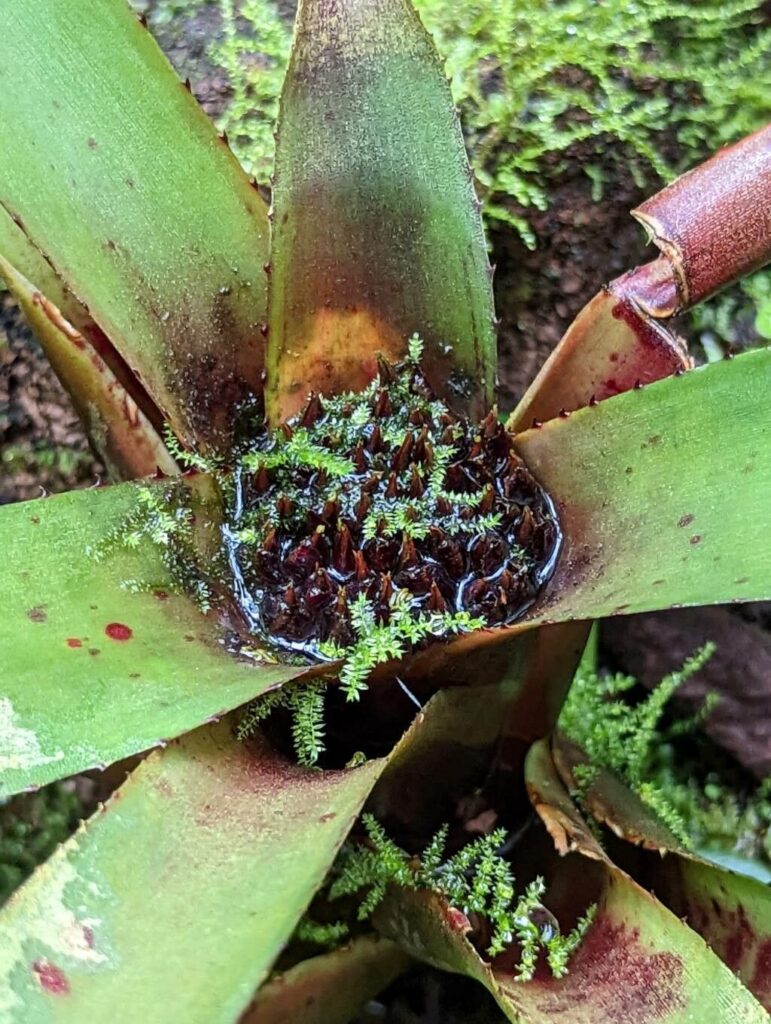
Propagating the Painted Pineapple: A Guide to Cultivating Neoregelia cyanea
Introduction:
Neoregelia cyanea, commonly known as the Painted Pineapple, is a captivating bromeliad prized for its striking foliage. Its leaves form a rosette, often displaying vibrant shades of green, red, and purple, culminating in a stunning blue-tinged flower spike that emerges from the center. Its relatively easy care requirements and visually arresting characteristics have cemented its popularity amongst bromeliad enthusiasts and home gardeners alike. However, propagating Neoregelia cyanea presents unique challenges and rewards, depending on the chosen method.
Seed Germination:
Currently, there are no known reliable methods for seed germination propagation of Neoregelia cyanea. While seed production is possible, germination rates are extremely low and often unpredictable under typical home cultivation conditions. The tiny seeds require highly specific environmental parameters which are difficult to replicate and maintain consistently. Therefore, this method is not recommended for the average home propagator.
Cuttings:
Cuttings are also generally not a viable method for propagating Neoregelia cyanea. Unlike some other bromeliads that can propagate from leaf cuttings, Neoregelia cyanea lacks the regenerative capabilities required for successful vegetative propagation from leaf or stem cuttings.
Division:
Division is the most reliable and common method for propagating Neoregelia cyanea. Mature plants often produce "pups" or offsets – smaller plantlets that grow at the base of the mother plant.
-
Challenges: The main challenge is waiting for the pups to develop sufficiently. This process can take several months, and the pups must reach a reasonable size (approximately one-third to one-half the size of the mother plant) before they can be safely separated. Improper separation can damage both the pup and the mother plant.
-
Practical Tips: Once the pups reach the appropriate size, carefully remove them from the mother plant, ensuring each pup has its own healthy root system. Use a sharp, sterile knife or shears to prevent infection. Plant the separated pups in a well-draining potting mix specifically formulated for bromeliads. Provide consistent humidity and adequate light.
- Rewards: Division offers a relatively simple and high-success-rate method for expanding your Neoregelia cyanea collection. It ensures the genetic consistency of the parent plant and allows for quicker propagation compared to other methods.
Tissue Culture:
Tissue culture is a viable, though technically demanding, method for propagating Neoregelia cyanea.
-
Challenges: Tissue culture requires specialized equipment, a sterile environment, and a thorough understanding of plant tissue culture techniques. It’s a highly specialized process requiring significant investment in time, materials, and expertise. Contamination can easily ruin an entire batch.
-
Practical Tips: This method is best left to commercial nurseries or experienced hobbyists with access to sterile labs and the necessary media and expertise.
- Rewards: Tissue culture allows for mass propagation and the production of disease-free plants. This method offers the potential for rapid multiplication and the preservation of rare or desirable cultivars.
Conclusion:
Propagating Neoregelia cyanea presents a unique set of challenges, with division offering the most accessible means for the home gardener. While seed germination and cuttings are not practical methods, tissue culture presents a powerful, albeit highly specialized, alternative for large-scale propagation. The rewards of successfully propagating this stunning bromeliad, however, are well worth the effort. The thrill of nurturing a small pup into a vibrant, flowering plant is a testament to patience and horticultural skill. For aspiring propagators, perseverance and attention to detail are paramount. Start with the reliable division method, and with practice and careful observation, you can add these beautiful plants to your collection and share their beauty with others.