
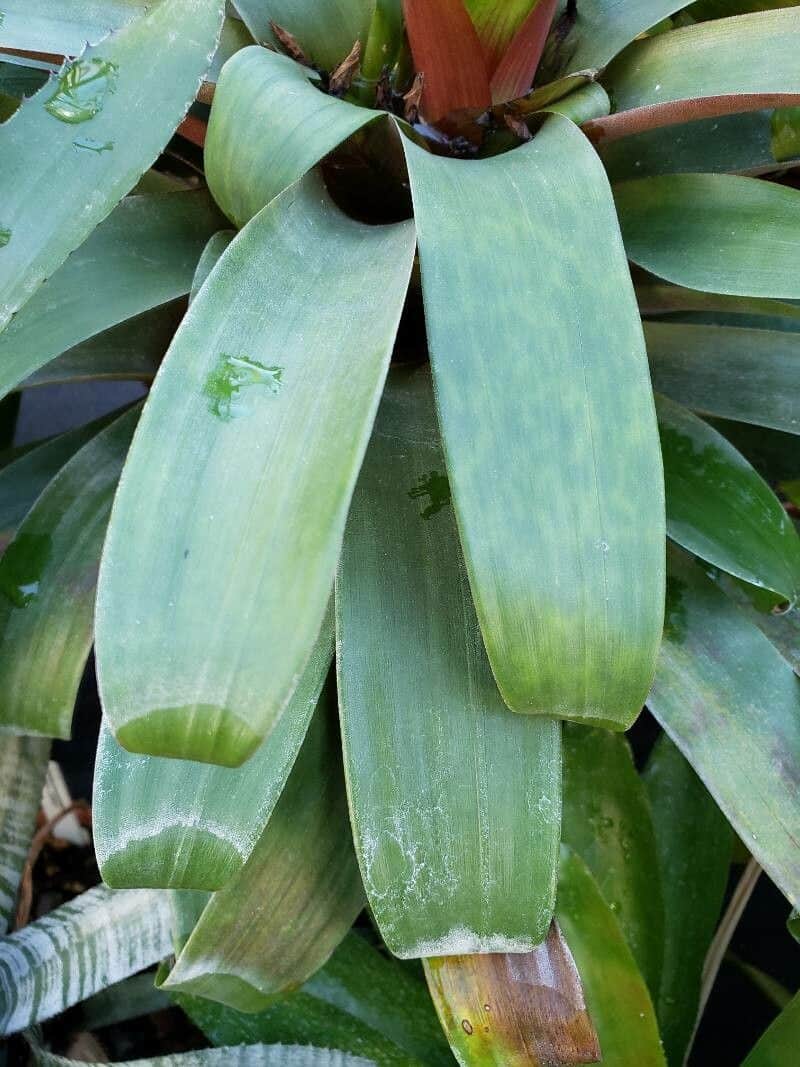
Multiply the Magic: Propagating Your Neoregelia Sanguinea
The Neoregelia sanguinea, with its vibrant foliage and unique rosette shape, is a showstopper in any bromeliad collection. Its ease of care makes it perfect for beginners, and luckily, propagation is equally straightforward! Ready to multiply your leafy friend and share the joy? Let’s dive into the fascinating world of Neoregelia sanguinea propagation.
Understanding the Life Cycle
Like many bromeliads, the Neoregelia sanguinea reproduces through offsets known as “pups.” After blooming (a spectacular event in itself!), the mother plant will gradually decline but not before gifting you with these little clones. They emerge from the base of the plant, drawing energy from the mother as they develop their own root systems.
Two Methods for Propagation:
Pups: Patience is Key
- Timing is Everything: Wait until the pups are at least a third the size of the mother plant and have developed their own roots. This usually takes several months after blooming.
- Gentle Separation: Carefully remove the mother plant from its pot. Using a clean, sharp knife or shears, carefully separate the pups, ensuring each has a good chunk of roots attached.
- Potting the Offspring: Choose a well-draining bromeliad mix or create your own using bark, perlite, and peat moss. Plant the pups firmly, burying the base but not the leaves. Water lightly.
- Nurturing Growth: Provide bright, indirect light and maintain humidity. Avoid overwatering as it can lead to rot. With time and care, your pups will thrive and eventually produce their own offspring!
Seeds: An Adventure for the Dedicated
- A Rarity: While possible, seed propagation is less common because Neoregelia readily produces pups. However, it’s a rewarding challenge for the adventurous gardener!
- Sourcing Seeds: Purchase seeds from a reputable supplier or try your hand at pollinating your own flowers.
- Sowing the Seeds: Use a seed-starting mix and lightly press the seeds onto the surface. Don’t bury them! Mist with water and cover the tray with plastic wrap to create a humid environment.
- Light and Warmth: Place the tray in a bright location, out of direct sunlight. Maintain a temperature around 75-80°F (24-27°C).
- Transplanting: Germination can take several weeks. Once the seedlings are large enough to handle, carefully transplant them into individual pots using a well-draining mix.
Troubleshooting Tips:
- Rotting Pups: Ensure proper drainage and avoid overwatering. Allow the soil to dry slightly between waterings.
- Slow Growth: Provide adequate light and humidity. A diluted bromeliad fertilizer can be used sparingly during the growing season.
By following these steps, you can easily propagate your Neoregelia sanguinea and expand your bromeliad family. Whether you choose to nurture pups or embark on the journey of seed propagation, the rewards are well worth the effort. Happy growing!