
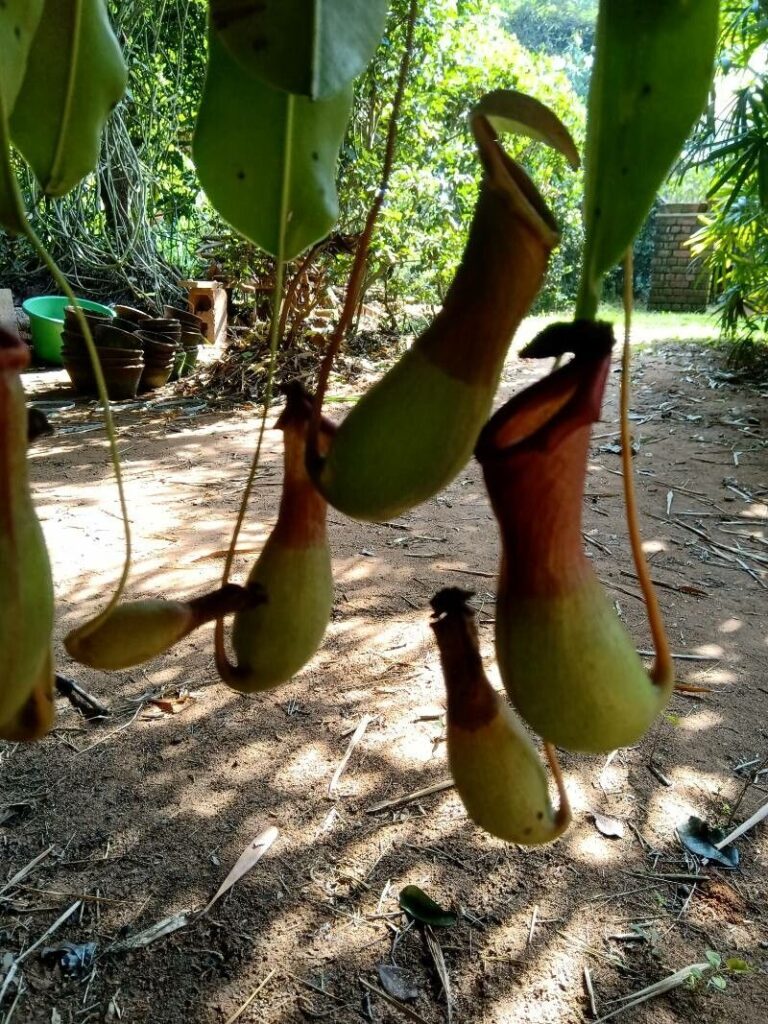
Unleash the Pitcher Power: How to Propagate Nepenthes Khasiana
The Nepenthes khasiana, with its mesmerizing pitcher-shaped traps, is a captivating addition to any plant enthusiast’s collection. But what if you could expand your miniature jungle even further? Propagation offers a fantastic way to multiply your Nepenthes khasiana and share the beauty with friends or create a thriving jungle of your own. This post will guide you through the exciting world of Nepenthes khasiana propagation.
Understanding the Basics:
Nepenthes khasiana, native to the northeastern Indian state of Meghalaya, is a carnivorous plant that thrives in humid, tropical environments. Like many other members of the Nepenthes genus, it can be propagated through a few different methods:
- Seed Propagation: This is the most common method, although it can be slow and requires patience. Nepenthes seeds are incredibly tiny and sensitive, needing a sterile environment and high humidity for optimal germination.
- Cuttings: This is a relatively straightforward and faster method, especially for experienced plant propagators. Cuttings can be taken from healthy stems or leaves and encouraged to root under specific conditions.
- Layering: This technique involves encouraging a stem to produce roots while still attached to the parent plant, minimizing stress during the rooting process.
Let’s Dive into the Details:
Seed Propagation:
- Gather Seeds: Obtain fresh Nepenthes khasiana seeds from a trusted source. Be sure they’re viable and free of any pathogens.
- Prepare the Medium: Use a sterile seed-starting mix or a blend of peat moss and perlite. Ensure the medium is moist but not soggy.
- Seed Placement: Sprinkle the seeds evenly over the surface of the medium and gently mist them with water.
- Create a Greenhouse: Cover the seed container with a clear plastic dome or wrap to create a humid environment. Place the container in a warm, bright location, but avoid direct sunlight.
- Patience is Key: Seed germination can take anywhere from a few weeks to several months. Maintain a consistently moist environment and be patient.
Cutting Propagation:
- Choose the Right Cutting: Select a healthy, non-flowering stem with at least 2-3 nodes (where leaves attach to the stem).
- Prepping the Cut: Cut the stem just below a node using a sharp, clean blade to ensure a clean, straight cut.
- Rooting Hormones (Optional): Applying a rooting hormone powder or gel can increase the success rate of rooting.
- Potting and Care: Place the cutting in a pot filled with a well-draining rooting medium, such as a peat moss and perlite mixture. Water thoroughly and keep the medium consistently moist.
- Provide Proper Conditions: Maintain a warm, humid environment, similar to the plant’s natural habitat. Provide bright, indirect light.
- Root Development: With proper care, cuttings can begin rooting in a few weeks to a couple of months.
Layering:
- Select a Stem: Choose a healthy, flexible stem from the parent plant.
- Inducing Rooting: Scratch the stem just below a node to encourage root growth. Gently bend the stem and bury it in a pot of moist rooting medium, securing it with a piece of wire or a stone.
- Care: Maintain consistent moisture and bright, indirect light.
- Separation: Once the stem has developed a root system, it can be carefully separated from the parent plant and potted individually.
Critical Considerations:
- Sterilization: Always sterilize your tools and use sterile rooting medium to prevent fungal infections.
- Humidity: Nepenthes khasiana thrives in humid environments, so using a propagator dome or creating a humid environment is crucial for successful propagation.
-
Patience: Propagation can take time. Be patient and provide the right conditions, and your new Nepenthes plants will eventually reward your efforts.
Success in Propagation:
With a little knowledge and dedication, you can successfully propagate your Nepenthes khasiana and enjoy the beauty of its pitcher traps for years to come. From sharing the joy of these captivating plants with friends to creating your own personal jungle, propagation offers a unique way to connect with and explore the fascinating world of carnivorous plants.