
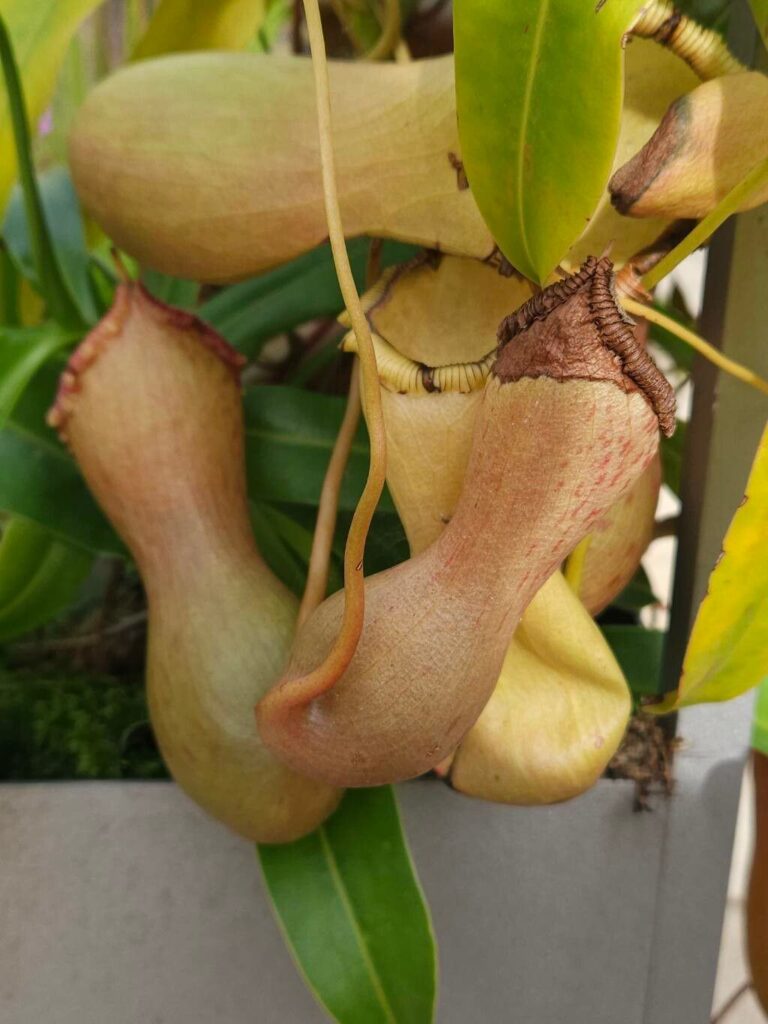
Unlocking the Secrets of the Pitcher Plant: Propagating Nepenthes mirabilis
The Nepenthes mirabilis, commonly known as the “Miraculous Pitcher Plant,” is a captivating sight with its elegant, elongated pitchers. These plants have a unique allure, attracting both seasoned and novice plant enthusiasts. But did you know that these fascinating plants can be easily propagated?
This blog post delves into the fascinating world of Nepenthes mirabilis propagation, offering insights into the different methods and essential tips for success. Whether you’re a seasoned cultivator or just starting your carnivorous plant journey, this guide will equip you with the knowledge to grow your own pitcher plant paradise.
Methods of Propagation
There are two primary methods for propagating Nepenthes mirabilis:
- Cuttings: This involves taking a healthy stem section with at least two to three nodes (the points where leaves and roots emerge). The cutting should ideally have at least one pitcher.
- Seed Propagation: While more time-consuming, this approach can yield multiple new plants from a single seed pod.
Cuttings: A Step-by-Step Guide
- Choose your cutting: Select a healthy stem that is free from disease and damage. Ideally, the cutting should be about 6-8 inches long.
- Prepare your cutting: Carefully cut the stem just below a node. Remove the lower leaves to avoid rotting.
- Rooting hormone (optional): To increase the chances of successful rooting, dip the cut end of the stem into rooting hormone.
- Planting: Fill a small pot with a well-draining potting mix formulated for carnivorous plants. Insert the prepared cutting into the mix, ensuring that at least one node is buried.
- High humidity environment: Cover the pot with a plastic bag or dome to create a humid environment, which promotes root development.
- Light and temperature: Place the pot in a bright, indirect light location. Maintain a warm temperature around 70-80°F (21-27°C).
- Patience: Be patient! It can take several weeks for the cuttings to develop roots. Check the cuttings regularly, and mist them with water to maintain humidity.
Tips for Success:
- Sterile tools: Use sharp, sterilized tools for cutting to avoid infection.
- Proper drainage: Ensure the potting mix drains well to prevent root rot.
- Appropriate humidity: Maintain a high level of humidity around the cuttings.
- Avoid direct sunlight: Direct sunlight can burn delicate cuttings.
- Feeding: Once the cuttings have established themselves, you can feed them with small insects or diluted liquid fertilizer specifically designed for carnivorous plants.
Seed Propagation: A Gentle Approach
- Collecting Seeds: Collect ripe Nepenthes mirabilis seeds from mature seed pods.
- Planting: Sow the seeds on a moist, well-draining moss medium.
- Germination: Place the seed tray in a bright, indirect light location and maintain a warm temperature around 70-80°F (21-27°C).
- Patience: Seed germination can take several weeks or even months, so be patient and maintain consistent humidity and temperature.
Conclusion:
Propagating Nepenthes mirabilis is a rewarding experience, offering the chance to expand your carnivorous plant collection and share these fascinating beauties with others. Whether you choose cuttings or seed propagation, follow these guidelines, and with a little care and attention, you’ll be amazed by the incredible growth and beauty of your new pitcher plants.