
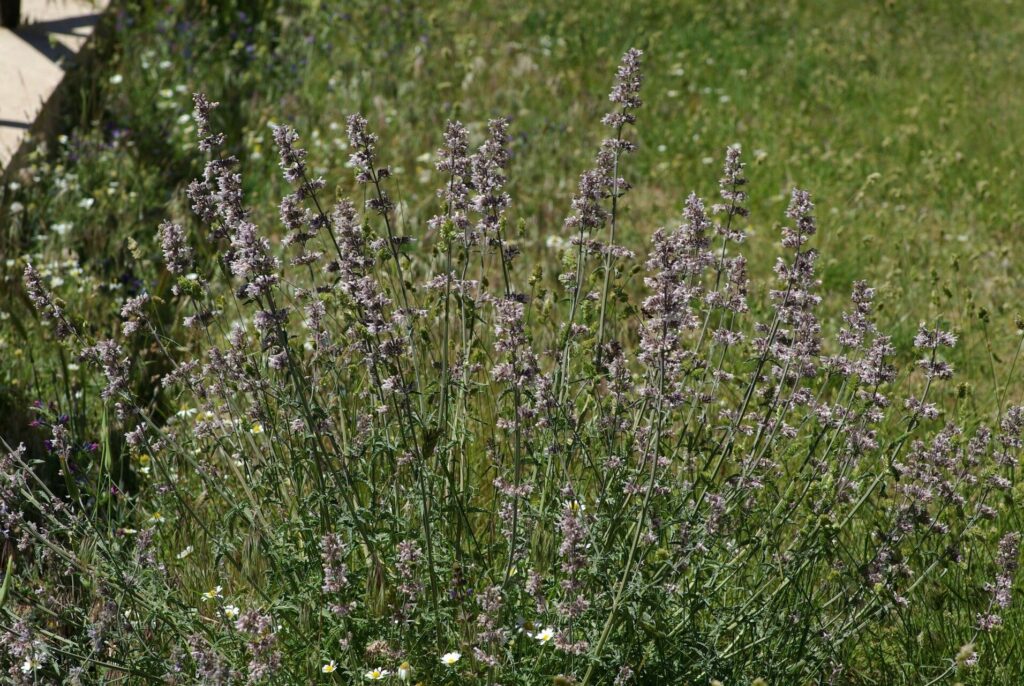
Taming the Tiny Catmint: Propagation Tips for Nepeta nepetella
Nepeta nepetella, also known as the Lesser Catmint, might not have the imposing stature of its cousin, the Catnip, but this petite perennial packs a punch of charm and fragrance. Imagine a carpet of delicate, lavender-pink blooms attracting a symphony of bees while releasing a subtle, minty aroma that delights the senses. If this picture tempts you to invite Nepeta nepetella into your garden, the good news is that propagating it is an adventure you can easily embark on!
Three Ways to Multiply Your Mint:
Nepeta nepetella can be propagated using three main methods:
1. Seed Starting: A Dance with Patience
- When: Early spring, indoors.
- How: Sow seeds in a well-draining seed starting mix, lightly pressing them onto the surface. Keep the soil consistently moist and provide warmth (around 70°F). Germination can take 2-3 weeks.
- Pros: Economical, especially when starting a large patch.
- Cons: Requires patience, and plants might not retain the characteristics of the parent plant, leading to variations.
2. Cuttings: Cloning Your Favorite Clump
- When: Late spring to early summer.
- How: Take 4-inch cuttings from new growth, just below a leaf node. Remove the lower leaves and dip the cut end in rooting hormone (optional). Plant the cuttings in a moist, well-draining mix and cover with a plastic bag to maintain humidity.
- Pros: Produces clones of the parent plant, ensuring consistent characteristics.
- Cons: Requires a bit more attention to detail compared to division.
3. Division: The “Set it and Forget it” Method
- When: Spring or fall.
- How: Dig up an established plant and gently tease apart the root ball into smaller sections, each with healthy roots and shoots. Replant these divisions immediately in their desired locations.
- Pros: The easiest and quickest method for increasing your Nepeta nepetella stock.
- Cons: Requires existing plants.
Nurturing New Life:
Regardless of your chosen method, providing the right environment is crucial for success:
- Soil: Nepeta nepetella thrives in well-draining soil. Amend heavy clay soils with compost or sand to improve drainage.
- Sunlight: Choose a sunny location, although afternoon shade is appreciated in hotter climates.
- Water: Water regularly after planting, especially during dry spells. Once established, Nepeta nepetella is relatively drought-tolerant.
Reaping the Rewards:
With minimal effort, your propagation efforts will bear fragrant, bee-friendly blooms that grace your garden year after year. And as a bonus, the dried leaves and flowers of Nepeta nepetella can be used in potpourris or brewed into a soothing herbal tea. So why wait? Start propagating your very own patch of this delightful and low-maintenance perennial!