
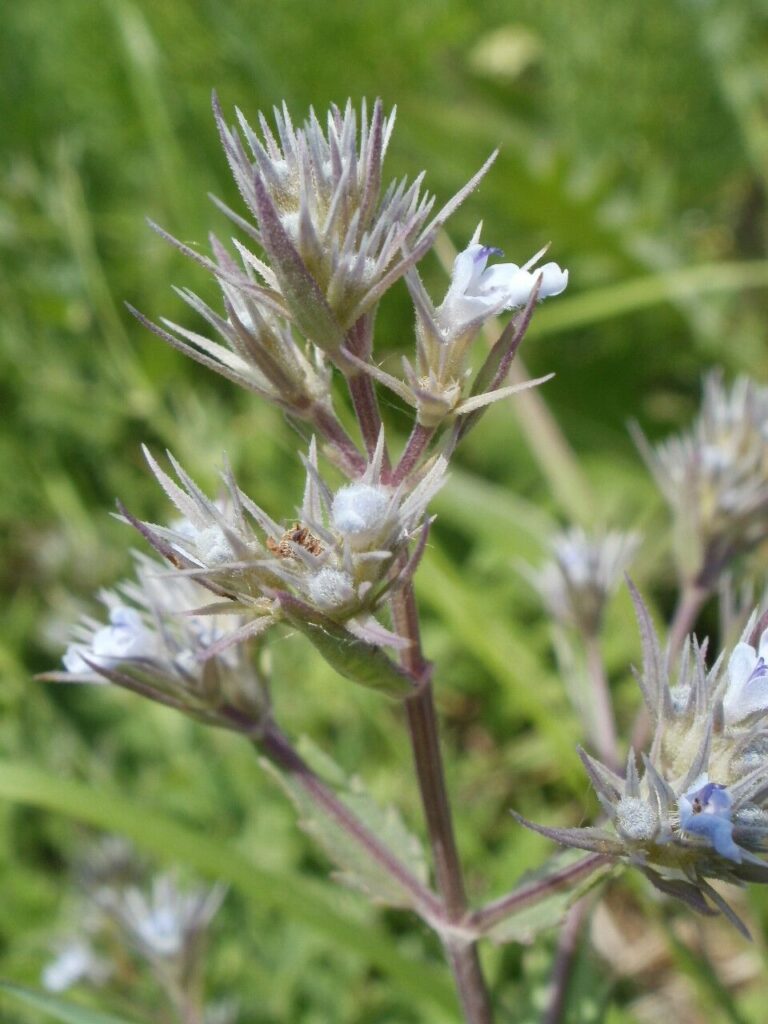
From a Sprig to a Sea of Lavender: Propagating Nepeta ucranica for Your Garden
Nepeta ucranica, also known as Ukrainian Catnip or ‘Blue Wonder,’ is a delightful addition to any sunny garden. This hardy perennial boasts silvery foliage and vibrant blue-violet flowers that attract pollinators and create an airy, enchanting atmosphere. But the best part? Nepeta ucranica is incredibly easy to propagate, allowing you to share its beauty with friends, fill your garden with this lovely plant, or even start a new patch from scratch.
The Three Musketeers of Propagation
There are three main methods for propagating Nepeta ucranica:
- Seed: This method is excellent for producing large quantities of plants but requires patience as it takes longer for seedlings to reach maturity.
- Cuttings: This is the fastest method, which produces mature plants quickly. It’s ideal for replicating existing varieties and preserving unique characteristics.
- Division: This method works wonders for established plants, allowing you to create new, independent plants while rejuvenating the parent plant.
Getting Started: Seed Propagation
Propagating Nepeta ucranica from seed is a straightforward process:
- Time it right: Sow seeds indoors 6-8 weeks before the last frost or directly outdoors after the last frost.
- Prepare the soil: Use a seed-starting mix or a well-draining potting soil.
- Plant the seeds: Sow seeds 1/4 inch deep and 1-2 inches apart. Mist the soil lightly.
- Maintain the right conditions: Keep the soil moist but not saturated. Cover the seed tray with plastic wrap or a humidity dome to create a warm, humid environment.
- Transplant: Once seedlings have a few sets of true leaves, transplant them into individual pots or directly into the garden, spacing them 12-18 inches apart.
Pro-Tip: Remember to harden off the seedlings before planting them outdoors, gradually introducing them to the sun and wind. This ensures a smoother transition to their newfound home.
Taking Advantage of Cuttings
Whether you’re a seasoned gardener or just starting, propagating Nepeta ucranica through cuttings is simple and rewarding:
- Choose the right time: Spring and early summer are the best times for taking cuttings.
- Snip and trim: Cut 4-6 inch stems from healthy, non-flowering growth. Remove the bottom leaves and make a clean cut just below a node.
- Root the cuttings: Dip the cut ends in rooting hormone (optional) and place them in a pot filled with a seed-starting mix or vermiculite. Keep the soil moist.
- Maintain humidity: Cover the pot with a clear plastic bag to create a humid environment.
- Monitor and transplant: After a few weeks, check for roots. Once they are established, transplant the cuttings into individual pots or directly into the garden.
Pro-Tip: Choose a sunny location for your cuttings, as this encourages strong root development.
Division: A Fast and Easy Option
Dividing existing Nepeta ucranica plants is an effective method for increasing your stock and rejuvenating mature plants. This is a simple process:
- Choose the right time: Spring is the ideal time for dividing Nepeta ucranica plants.
- Prepare the plant: Gently lift the mature plant from the ground.
- Divide the plant: Use a sharp knife or a garden spade to divide the plant into smaller sections, ensuring each section has at least a few healthy stems and roots.
- Replant: Plant the new sections in their designated areas, making sure to maintain adequate spacing.
Pro-Tip: When dividing plants, make sure to water them deeply to ensure good root establishment.
A Little TLC Goes a Long Way
Whether you prefer the patience of seed propagation, the speed of cuttings, or the simplicity of division, propagating Nepeta ucranica allows you to enjoy its beauty year after year. Just remember to provide proper care for your new plants, including adequate watering, sunlight, and good drainage.
With a little effort, you can turn a single sprig of Nepeta ucranica into a thriving pocket of blue blossoms that will fill your garden with its captivating charm. You’ll be rewarded with bursts of fragrant color, a delightful buzz of pollinators, and the satisfaction of watching your own piece of magic bloom in your garden.